
How much is the detection range of the oxygen detector?
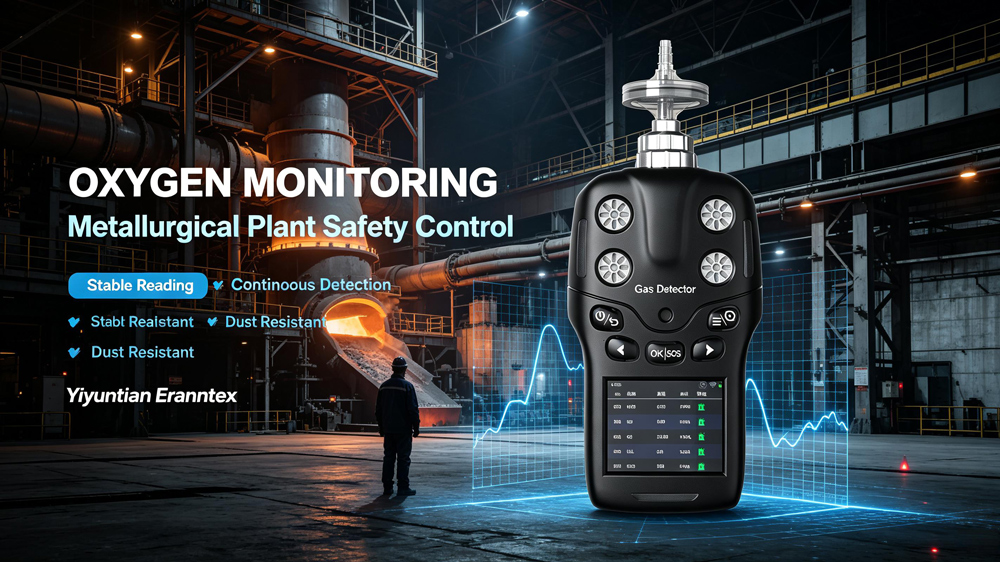
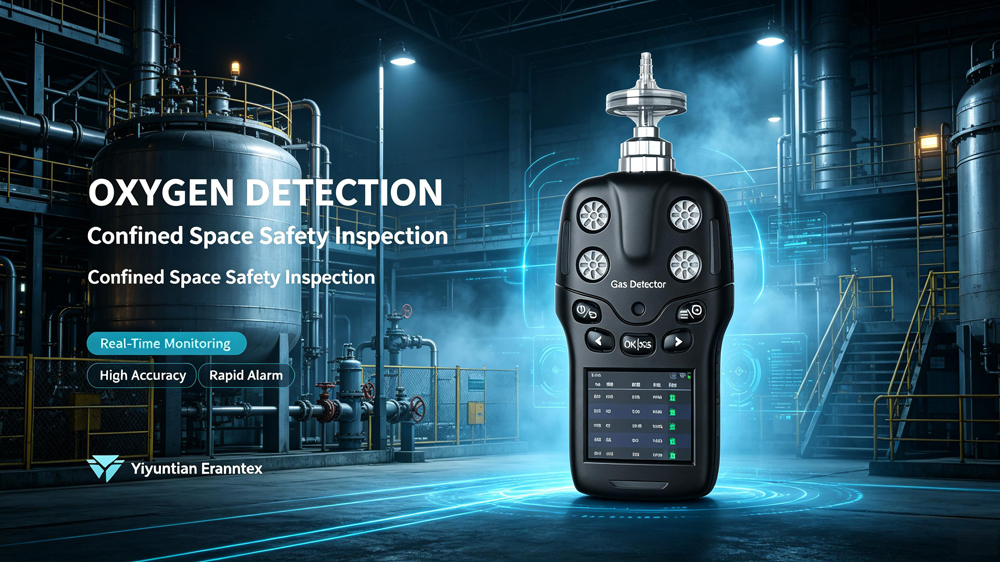
Publication Date:2024/06/11 The detection range of the oxygen detector is an important parameter related to safety and production efficiency. This is because in the industrial production environment, especially when entering the confined space, we always monitor the oxygen content in the air to ensure that the oxygen concentration is within the safe range. Once the oxygen concentration exceeds the safe range, the oxygen detector will immediately issue an alarm to remind the staff to take corresponding measures, so as to effectively prevent the occurrence of fire, explosion and other safety accidents. This is like installing a safety barrier on the production line to ensure the smooth progress of the production process. Do you know the range of oxygen detector ? The following is a brief introduction by yiyuntian electronics:
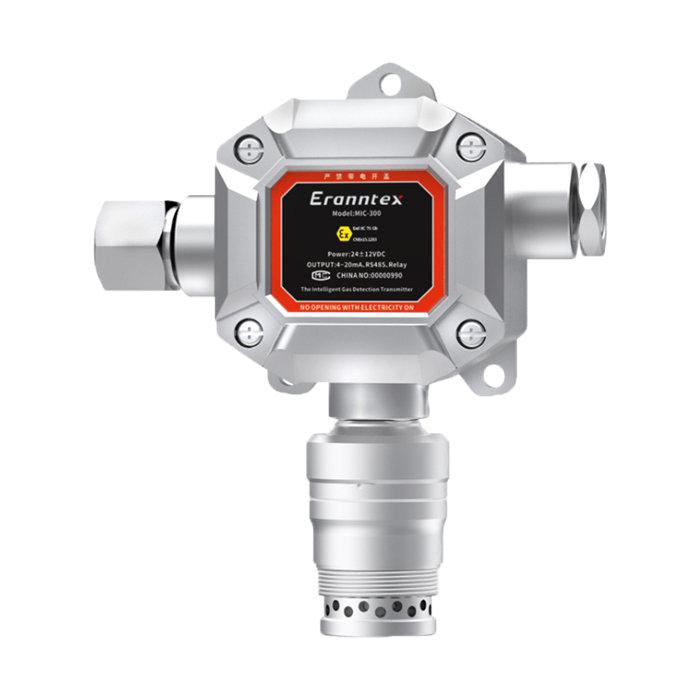
The detection range of the oxygen detector is mainly determined according to its design and application requirements.
1. Common detection range:
The conventional detection range of the oxygen detector is generally 0 ~ 30% VOL. This range covers the oxygen concentrations that need to be monitored in most industrial and commercial applications.
2. Alarm threshold:
According to the national standard "GB/T50493-2019 Petrochemical Combustible Gas and Toxic Gas Detection and Alarm Design Standard", the alarm threshold of the oxygen detector is set as follows:
Peroxygen alarm setpoint (overstatement):23.5%VOL. When the oxygen concentration exceeds this value, the oxygen detector will issue a high alarm.
Underoxygen alarm setpoint (under-reported):19.5%VOL. When the oxygen concentration is lower than this value, the oxygen detector will send a low alarm.
3. Technical specifications:
Resolution: Usually 1% VOL, meaning that the oxygen detector can distinguish concentration changes of at least 1% VOL.
Detection accuracy: ± 3% F.S (3% of full scale), which refers to the accuracy of the oxygen detector within the measurement range.
To sum up, we can see that the detection range of the oxygen detector is usually 0 ~ 30% VOL, and its detection range is wide, which can cover all kinds of situations from hypoxia to oxygen enrichment. However, the specific scope may also vary depending on the application requirements. Therefore, when selecting and using the oxygen detector, we should select the appropriate model and parameters according to the actual needs, and follow the relevant safety operation procedures to ensure the safety and stability of industrial production.
Related information
-
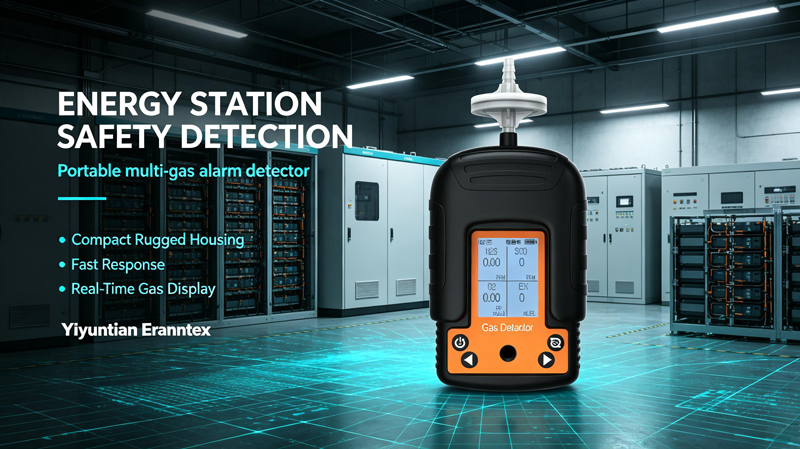
How to Calibrate a Portable four-in-one Gas Detectors?
Portable four-in-one gas detectors are core protective equipment in the industrial safety field. However, sensors can experience z...
2026-09-18 -
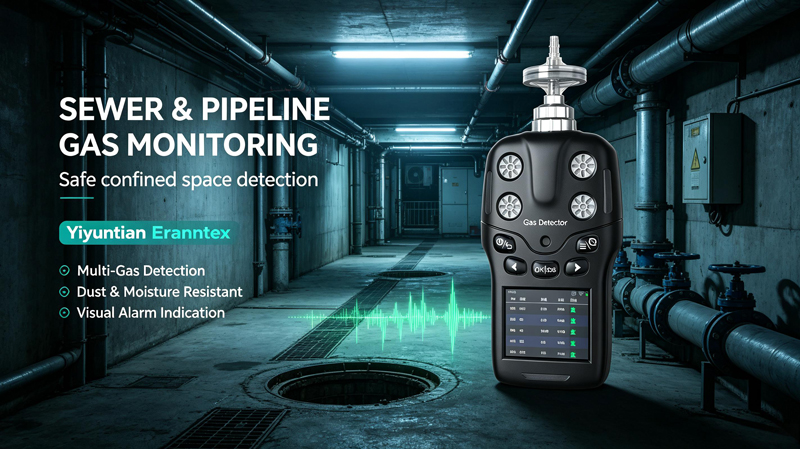
What are the application scenarios for portable four-in-one gas detectors?
Portable four-in-one gas detectors typically monitor oxygen (O₂), flammable gas (LEL), carbon monoxide (CO), and hydrogen sulfide...
2026-09-16 -
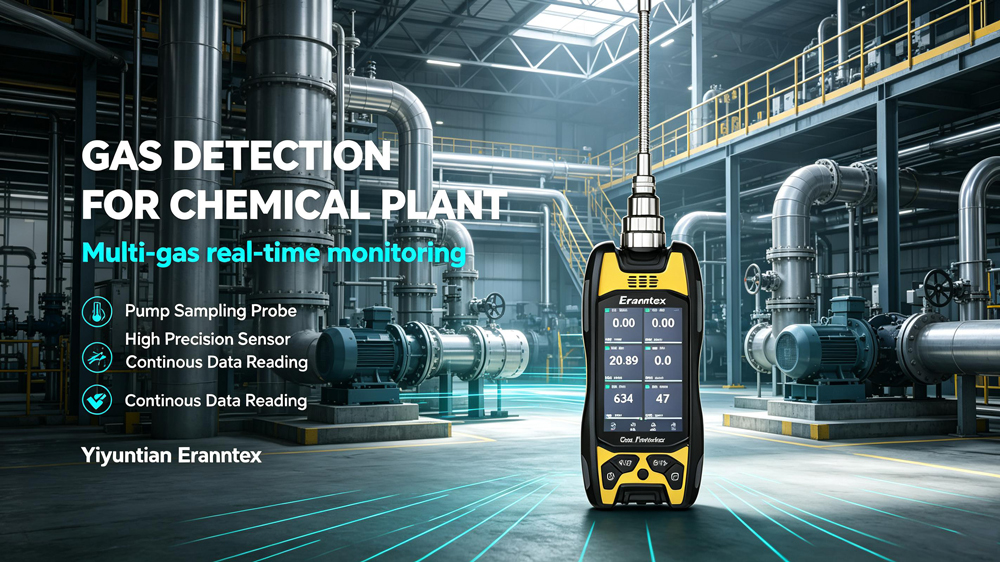
Portable four-in-one Gas Detectors User Manual
The portable four-in-one gas detectors is a core piece of personal protective equipment (PPE) for ensuring the safety of personnel...
2026-09-14 -

Calibration Specifications for Ammonia gas Detectors
Calibration of ammonia gas detectors is a core step in ensuring their measurement accuracy and alarm reliability. However, ammonia...
2026-09-11 -
What is the appropriate installation height for an ammonia gas detectors?
Ammonia (NH₃) has a relative density of only 0.59, much lighter than air. This means that in the event of a leak, the gas will qu...
2026-09-09
 info@eranntexgas.com sale1@eranntexgas.com


 15914124845