
What are the installation specifications and requirements for combustible gas alarms?
Publication Date:2024/06/28 I believe everyone knows that the installation specifications and requirements of the combustible gas alarm are the key to ensure its normal operation, effective detection and accurate alarm, so as to ensure that the combustible gas alarm can play its due role in practical applications., To better protect people's lives and property safety. Therefore, during the installation process, we must strictly abide by a series of installation specifications and requirements to ensure its stable performance, safety and reliability. Do you know the installation specifications and requirements for Combustible Gas Alarm ? The following is an introduction to yiyuntian electronic editor:
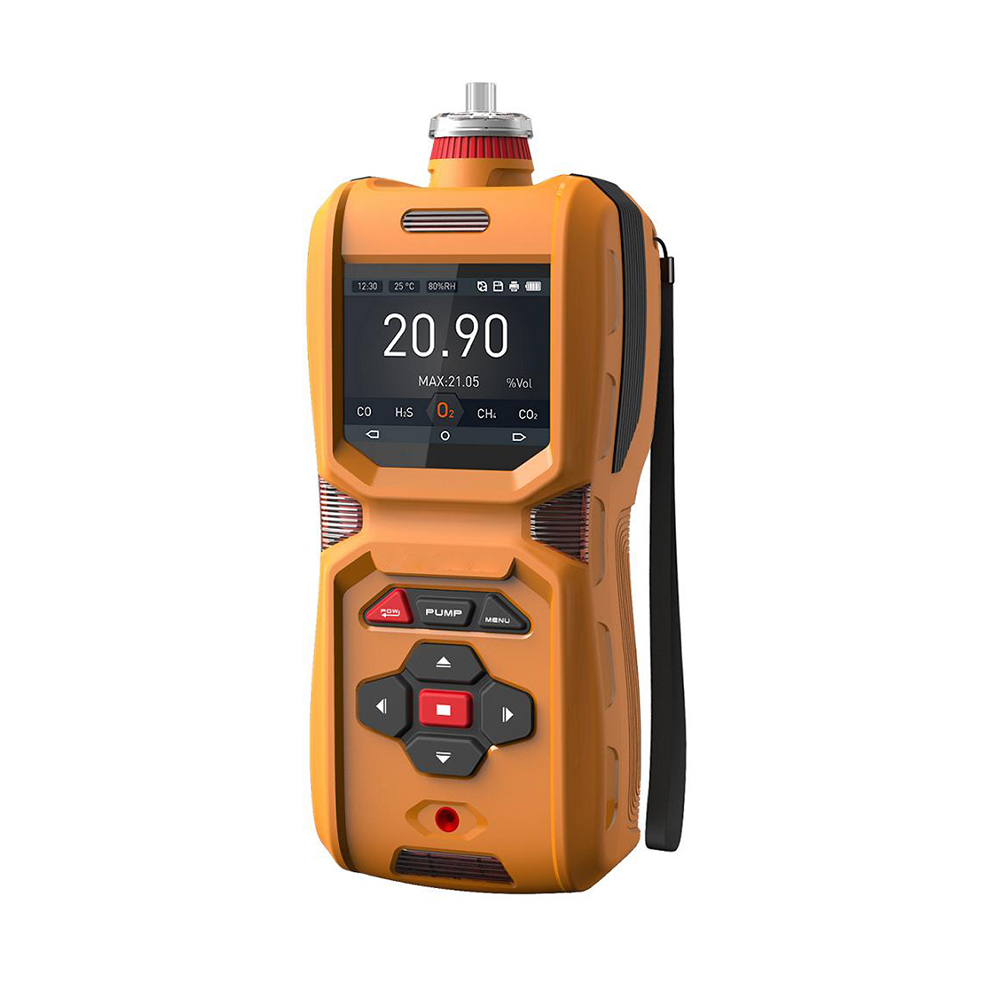
Combustible Gas Alarm Installation Specifications and Requirements:
1. Select the installation location:
Combustible gas alarms should be installed in areas where gas leakage may occur, such as kitchens, furnace rooms, boiler rooms, etc.Ensure that the combustible gas alarm can detect the gas leak in time and issue an alarm. At the same time, it is necessary to avoid installing the combustible gas alarm in a well-ventilated or humid environment to avoid false alarms.
2. Installation height requirements:
The installation height of the combustible gas alarm should be adjusted according to different gas types. For natural gas, the height from the bottom of the combustible gas alarm to the ground should be between 30cm and 70cm; for liquefied petroleum gas (LPG), it should be between 50cm and 150cm. This ensures that the combustible gas alarm can timely detect a gas leak occurring below the ceiling height.
3. Installation process requirements:
The combustible gas alarm must be properly and securely wired during installation. The connection of the power cord should comply with electrical safety regulations to prevent safety accidents caused by poor contact or short circuit. In addition, the sensor part of the combustible gas alarm should be kept clean to avoid being covered by pollutants such as oil and dust, which will affect its detection accuracy.
4. Install and fix smoothly:
When installing a combustible gas alarm, make sure that it is installed smoothly and firmly on the wall or ceiling. Use appropriate screws and brackets and other fixing equipment to prevent the combustible gas alarm from loosening or shaking and affecting its normal operation.
5. Take care to avoid occlusion:
When installing a combustible gas alarm, avoid blocking its detection port. Ensure that there are no objects around to block the sensing area of the combustible gas alarm to avoid interference or weakening the detection effect.
6. Testing and Verification:
After installation, the combustible gas alarm should be strictly tested and verified. Through the simulation of leakage, alarm and other scenarios, the response speed and accuracy of combustible gas alarm are tested. Only the combustible gas alarm that has been strictly tested and verified can ensure that it plays its due role in practical applications.
In summary, the installation specifications and requirements for combustible gas alarms.However, due to the use environment and detector type, it is recommended to follow the manufacturer's instructions to install the combustible gas alarm during the actual installation process.
Related information
-
How to Calibrate a Portable four-in-one Gas Detectors?
Portable four-in-one gas detectors are core protective equipment in the industrial safety field. However, sensors can experience z...
2026-09-18 -
What are the application scenarios for portable four-in-one gas detectors?
Portable four-in-one gas detectors typically monitor oxygen (O₂), flammable gas (LEL), carbon monoxide (CO), and hydrogen sulfide...
2026-09-16 -
Portable four-in-one Gas Detectors User Manual
The portable four-in-one gas detectors is a core piece of personal protective equipment (PPE) for ensuring the safety of personnel...
2026-09-14 -

Calibration Specifications for Ammonia gas Detectors
Calibration of ammonia gas detectors is a core step in ensuring their measurement accuracy and alarm reliability. However, ammonia...
2026-09-11 -
What is the appropriate installation height for an ammonia gas detectors?
Ammonia (NH₃) has a relative density of only 0.59, much lighter than air. This means that in the event of a leak, the gas will qu...
2026-09-09

 info@eranntexgas.com sale1@eranntexgas.com


 15914124845