
What are the contents of the inspection work before the use of combustible gas alarm?
Publication Date:2024/07/24 combustible gas alarm as a key equipment to ensure production safety and personnel health, the inspection work before use is particularly important, because it is directly related to the accuracy and reliability of the alarm to a certain extent. After all, the inspection of combustible gas alarm is not only the inspection of the equipment itself, but also a solemn commitment to safe production. Therefore, we must pay enough attention and attention to the inspection work before the use of combustible gas alarm. So do you know what the combustible gas alarm inspection before use includes? The following is a brief introduction by yiyuntian electronics:

the inspection work before the use of combustible gas alarm includes the following contents:
1. Appearance and Basic Function Checks
(1) Appearance inspection:
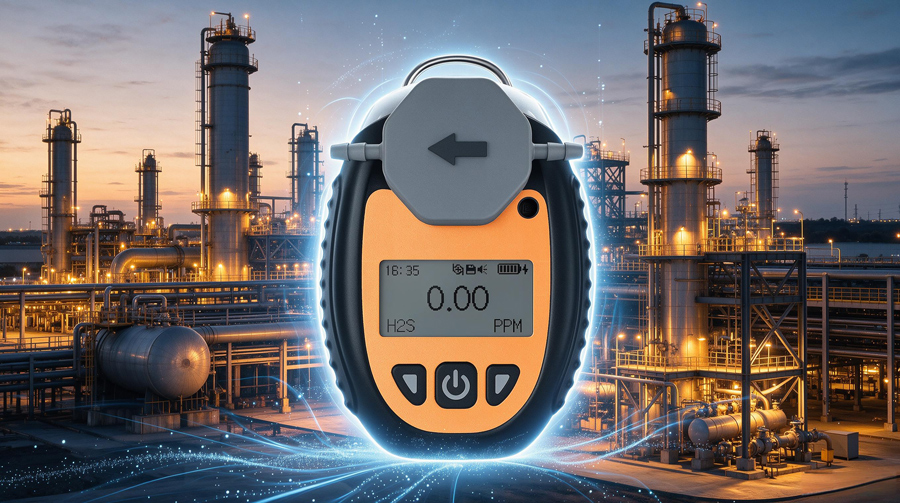
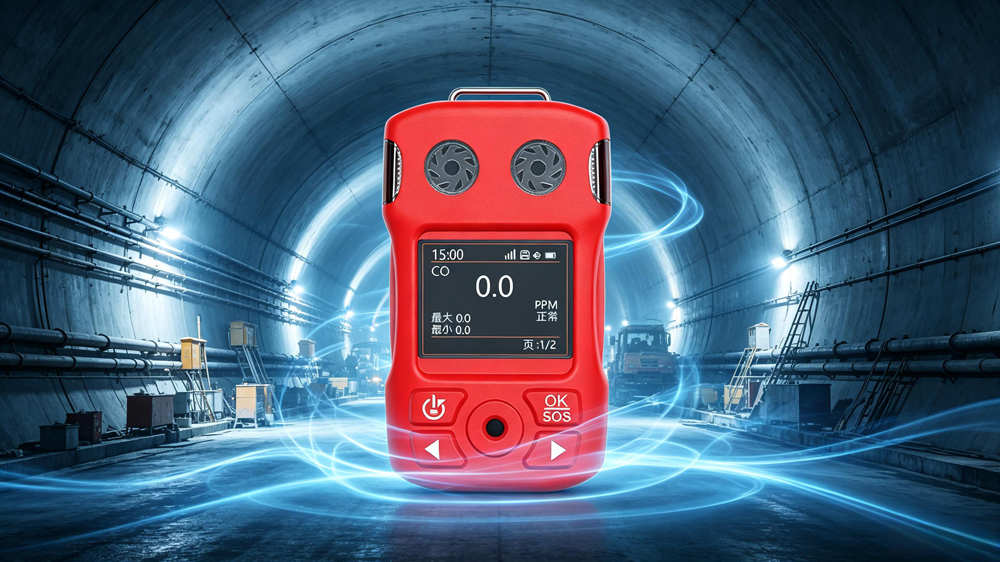
Check whether the combustible gas alarm shell is intact without damage, crack or deformation; Ensure that the connection parts such as wires and plugs are not exposed, aged or loose; Check whether the indicator lights, display, etc. are working normally, and there is no abnormal display or flashing.
(2) Power check (if the alarm is battery powered):
Ensure that the battery is fully charged to support the normal operation of the combustible gas alarm.
2. use environment check
Check whether the temperature, humidity and air pressure of the use environment meet the requirements according to the identification parameters of the combustible gas alarm. At the same time, ensure that the installation position of the combustible gas alarm is free of shock, vibration, strong electromagnetic field interference, and good ventilation.
(2) Inspection of explosion-proof area:
If the combustible gas alarm is used in explosion-proof area, it is necessary to confirm whether the explosion-proof level meets the site requirements.
3. Performance Test
(1) Alarm function test:
Use standard gas or simulated gas for ventilation testing to check whether the combustible gas alarm can accurately respond and send an alarm signal. At the same time, it shall verify that the alarm concentration value of the combustible gas alarm is set correctly, that is, the alarm can be triggered at the preset combustible gas concentration.
(2) Self-test and reset function test:
Check whether the self-test function of the combustible gas alarm is normal, including whether the display screen, indicator light, sound, etc. work normally. At the same time, check the test reset function to ensure that it can reset normally and re-enter the detection state after the alarm.
(3) Sensitivity test:
Test with different concentrations of standard gas, verify that the sensitivity of the combustible gas alarm meets the requirements. At the same time, the response ability of the combustible gas alarm to different types of combustible gas shall be checked to ensure that it can accurately identify and alarm.
(4) Response time test:
Simulate gas leakage under actual conditions, test the time interval from the detection of the gas to the alarm signal of the combustible gas alarm to ensure that its response time meets the standard.
4. other checks
(1) Calibration check:
If the combustible gas alarm needs to be calibrated regularly, check its last calibration time and calibration record to ensure that it is used within the validity period.
(2) Installation location check:
Confirm that the installation position of the combustible gas alarm is reasonable to avoid false positives and omissions.
(3) Operations Manual Check:
Check the operation manual or manual to understand the use and precautions of the combustible gas alarm, and ensure that the operator can correctly operate and maintain the combustible gas alarm.
5. records and reports
To sum up, we can see that the inspection work before the use of combustible gas alarm is a detailed and comprehensive work, which covers many aspects from appearance inspection to function test, it can ensure that the combustible gas alarm is in good working condition before use, improve its accuracy and reliability, and provide a strong guarantee for safe production.
Related information
-
How to Calibrate a Portable four-in-one Gas Detectors?
Portable four-in-one gas detectors are core protective equipment in the industrial safety field. However, sensors can experience z...
2026-09-18 -
What are the application scenarios for portable four-in-one gas detectors?
Portable four-in-one gas detectors typically monitor oxygen (O₂), flammable gas (LEL), carbon monoxide (CO), and hydrogen sulfide...
2026-09-16 -
Portable four-in-one Gas Detectors User Manual
The portable four-in-one gas detectors is a core piece of personal protective equipment (PPE) for ensuring the safety of personnel...
2026-09-14 -

Calibration Specifications for Ammonia gas Detectors
Calibration of ammonia gas detectors is a core step in ensuring their measurement accuracy and alarm reliability. However, ammonia...
2026-09-11 -
What is the appropriate installation height for an ammonia gas detectors?
Ammonia (NH₃) has a relative density of only 0.59, much lighter than air. This means that in the event of a leak, the gas will qu...
2026-09-09
 info@eranntexgas.com sale1@eranntexgas.com


 15914124845