
How to reduce the risk of combustible gas alarm damage?
Publication Date:2025/02/07 In daily life and industrial production, combustible gas alarms play a vital role. They can give an alarm in time when combustible gas leaks, and effectively prevent fire and explosion accidents. However, due to environmental factors, improper operation or equipment aging and other reasons, there is a risk of damage to the combustible gas alarm, which directly affects its early warning function. Therefore, it is of great significance to effectively reduce the risk of damage to the combustible gas alarm and ensure that it can work normally at critical moments, which is of great significance to ensure the safety of people's lives and property. Do you know how to reduce the risk of Combustible Gas Alarm damage? The following is a brief introduction to yiyuntian electronics:
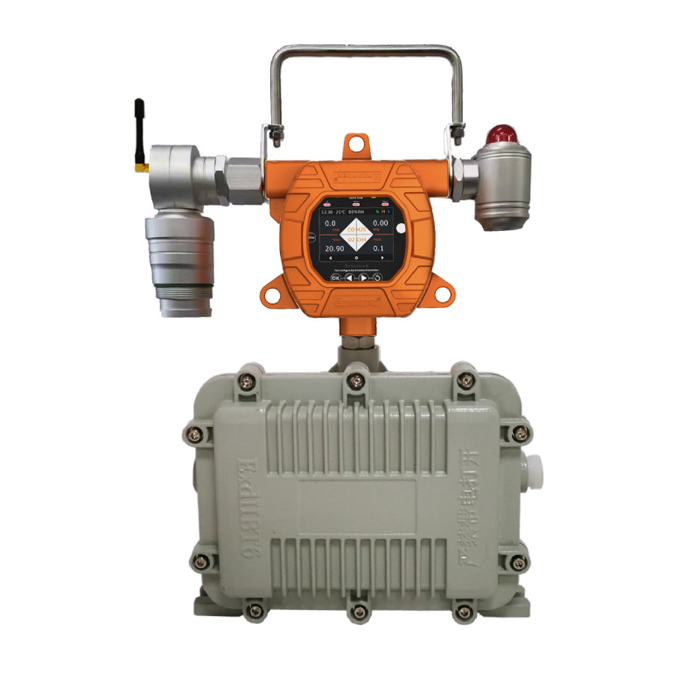
In order to reduce the risk of damage to the combustible gas alarm, we can start from the following aspects:
1. correct installation and use
(1) Choose the appropriate installation location:
Install the combustible gas alarm in places where combustible gas leakage may occur, such as kitchens, bathrooms, boiler rooms, etc.And ensure that there is sufficient air circulation around the combustible gas alarm to avoid blocking the air intake and exhaust ports. At the same time, should avoid the combustible gas alarm installed in high temperature, humidity or vulnerable to the direct impact of gas leakage.
(2) Follow the instructions for use:
Read and follow the instruction manual of the combustible gas alarm carefully to understand the characteristics, functions and operation mode of the product. We can install and use according to the recommendations in the manual to avoid equipment damage due to misoperation.
2. Periodic Maintenance and Inspection
(1) Clean the alarm:
Clean the surface of the combustible gas alarm regularly with a clean cloth or soft brush, and avoid using chemical-containing cleaners, especially acidic and alkaline substances.For the vent cover of the detector, it should be removed and cleaned regularly to prevent blockage.
(2) Check the power and battery:
For battery-powered combustible gas alarms, you should regularly check whether the battery is working properly and replace the aging or low-power battery in time. For flammable gas alarms connected to a power outlet, check the power cord for damage and ensure a secure connection.
(3) Test the alarm function:
Regularly press the test button on the combustible gas alarm to see if it can make a sound and light up the indicator. If possible, it can be tested with a known concentration of combustible gas to verify the accuracy of the combustible gas alarm.
3. to avoid environmental interference and false positives
Avoid combustible gas alarms from smoke, steam, dust and other substances that may cause false alarms.At the same time, should avoid the use of irritating substances near the combustible gas alarm, such as pesticides, thinners, paint, etc.
(2) Reduce electromagnetic interference:
Install the combustible gas alarm away from strong electromagnetic fields to avoid electromagnetic interference from other electronic equipment.
4. timely replacement and upgrade
(1) Regularly replace the alarm:
Replace the aging or invalid combustible gas alarm in time according to the suggestions in the instruction manual.Generally, the service life of combustible gas alarm is 5 to 10 years, depending on the product model and manufacturer's requirements.
(2) Upgrade alarm technology:
With the advancement of technology, the performance and functions of combustible gas alarms are also constantly improving. Consider regularly upgrading the combustible gas alarm, using more advanced technology and more sensitive sensors to improve the accuracy and reliability of detection.
5. security management and training
(1) the development of safety management system:
Develop a comprehensive safety management system to clarify the requirements for the use, maintenance and replacement of combustible gas alarms.At the same time, it should be ensured that relevant personnel understand and comply with these systems to reduce the damage of combustible gas alarms caused by human factors.
(2) Conduct safety training:
Regularly conduct safety training for relevant personnel to improve their safety awareness and operation skills. The training content includes knowledge of the use, maintenance and troubleshooting of combustible gas alarms.
In summary, we can see that through proper installation and use, regular maintenance and inspection, avoiding environmental interference and false alarms, timely replacement and upgrading, and strengthening safety management and training, can effectively reduce the risk of combustible gas alarm damage. This will help improve the safety of the home and work environment and reduce the possibility of flammable gas leakage. In the future, with the continuous progress of science and technology and the continuous improvement of safety awareness, we have reason to believe that the performance and stability of combustible gas alarms will be further improved, creating a safer and more reliable living environment for people.
Related information
-
How to Calibrate a Portable four-in-one Gas Detectors?
Portable four-in-one gas detectors are core protective equipment in the industrial safety field. However, sensors can experience z...
2026-09-18 -
What are the application scenarios for portable four-in-one gas detectors?
Portable four-in-one gas detectors typically monitor oxygen (O₂), flammable gas (LEL), carbon monoxide (CO), and hydrogen sulfide...
2026-09-16 -

Portable four-in-one Gas Detectors User Manual
The portable four-in-one gas detectors is a core piece of personal protective equipment (PPE) for ensuring the safety of personnel...
2026-09-14 -

Calibration Specifications for Ammonia gas Detectors
Calibration of ammonia gas detectors is a core step in ensuring their measurement accuracy and alarm reliability. However, ammonia...
2026-09-11 -
What is the appropriate installation height for an ammonia gas detectors?
Ammonia (NH₃) has a relative density of only 0.59, much lighter than air. This means that in the event of a leak, the gas will qu...
2026-09-09


 info@eranntexgas.com sale1@eranntexgas.com


 15914124845