
What should I do if the combustible gas alarm shows unstable data?
Publication Date:2025/01/17 In the actual application process, the combustible gas alarm sometimes displays unstable data, which will not only weaken the accuracy of the combustible gas concentration monitoring, but also may induce false positives or omissions, thus laying hidden risks for safety. Therefore, in view of the unstable data of combustible gas alarm, we need to take a series of detailed and efficient measures to ensure the stable operation and overall safety of the alarm. Then you know that Combustible Gas Alarm displays unstable data, what should you do? The following is an introduction to yiyuntian electronic editor:
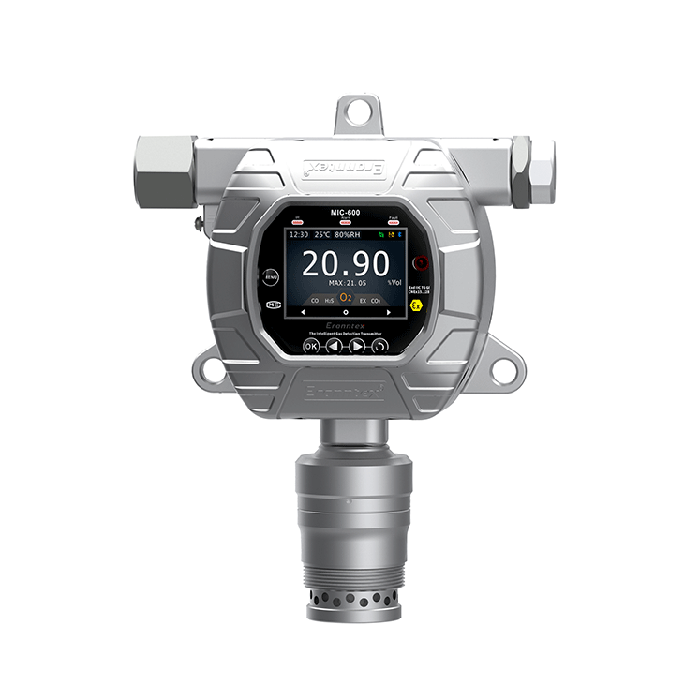
when the combustible gas alarm display data is unstable, the following steps can be taken to solve the problem:
1. Inspection and Calibration
br>
(1) Zero Calibration:
Use clean air to calibrate the combustible gas alarm to ensure that the displayed value of the combustible gas alarm is zero when there is no gas leakage.If the zero drift is serious, the zero point needs to be readjusted.
(2) Span calibration:
Calibrate the range of the combustible gas alarm with a standard gas of known concentration to ensure that the displayed value of the combustible gas alarm under the standard gas concentration is consistent with the standard value. If the range drift is serious, adjust the range or replace the sensor.
(3) Recalibration:
If the combustible gas alarm is used for a long time or in a bad environment, it may need to be recalibrated. The calibration process shall be carried out in strict accordance with the instructions of combustible gas alarm or the guidance of professionals.
(1) Sensor Status:
Check the sensor for aging, damage, or contamination. If the sensor is aged or damaged, it should be replaced in time. If the sensor is contaminated, clean or replace the protective cover.
(2) Sensor connection:
Check that the connection between the sensor and the combustible gas alarm is secure and reliable. If the connection is loose or damaged, reconnect or replace the cable.
3. Check External Environment
Check for large mechanical or strong electromagnetic field interference around the combustible gas alarm. If there are interference sources, shielding measures should be taken to reduce interference.
(2) Gas environment:
Verify the presence of other flammable gases or volatile substances around the flammable gas alarm. Keep the environment around the combustible gas alarm clean and ventilated to avoid gas residue or dust accumulation affecting the performance of the sensor.
4. check the combustible gas alarm circuit and power supply
(1) Circuit check:
Check whether the internal circuit of the combustible gas alarm is well connected and whether there is a short circuit or open circuit. Such as circuit failure, need to contact professional maintenance personnel for repair.
(2) Power check:
Check the combustible gas alarm power supply for stability, voltage fluctuation or power failure. If the power supply fails, replace it with a new power supply or repair the circuit.
5. Specialized Repair and Inspection
(1) Contact professional maintenance personnel:
If you cannot solve the problem yourself, you need to contact professional maintenance personnel for inspection and repair.Maintenance personnel will use professional tools to conduct a comprehensive inspection of the combustible gas alarm, find out the problem and repair it.
(2) Periodic calibration and testing:
Regularly calibrate and test the combustible gas alarm to ensure its accuracy and reliability. At the same time, a professional calibration testing organization should be selected for calibration services to ensure the accuracy and validity of the calibration results.
6. precautions
(1) Strengthen daily inspection:
Check the combustible gas alarm regularly to observe its working status and data stability. If abnormal or unstable data is found, timely measures shall be taken to deal with it.
(2) Keep your environment clean:
Keep the environment around the combustible gas alarm clean and ventilated to avoid gas residue or dust accumulation affecting the performance of the sensor.
(3) Note the use environment:
Avoid installing the combustible gas alarm in high temperature, humid or corrosive environments, which may accelerate the aging or damage of the sensor.
to sum up, we can see that when the combustible gas alarm shows unstable data, we should check and deal with it through inspection and calibration, sensor status, external environment, circuit and power supply, professional maintenance and testing, etc.Through the above steps, we can effectively deal with the problem of unstable data displayed by the combustible gas alarm, and provide a solid security guarantee for production and life.
Related information
-
How to Calibrate a Portable four-in-one Gas Detectors?
Portable four-in-one gas detectors are core protective equipment in the industrial safety field. However, sensors can experience z...
2026-09-18 -
What are the application scenarios for portable four-in-one gas detectors?
Portable four-in-one gas detectors typically monitor oxygen (O₂), flammable gas (LEL), carbon monoxide (CO), and hydrogen sulfide...
2026-09-16 -
Portable four-in-one Gas Detectors User Manual
The portable four-in-one gas detectors is a core piece of personal protective equipment (PPE) for ensuring the safety of personnel...
2026-09-14 -

Calibration Specifications for Ammonia gas Detectors
Calibration of ammonia gas detectors is a core step in ensuring their measurement accuracy and alarm reliability. However, ammonia...
2026-09-11 -
What is the appropriate installation height for an ammonia gas detectors?
Ammonia (NH₃) has a relative density of only 0.59, much lighter than air. This means that in the event of a leak, the gas will qu...
2026-09-09
 info@eranntexgas.com sale1@eranntexgas.com


 15914124845