
Oxygen detector numerical calibration, need to pay attention to what?
Publication Date:2025/01/15 As the core equipment in the field of safety monitoring, the oxygen detector continuously provides accurate and reliable readings to ensure the safety of the production environment and the health of personnel. For this reason, regular numerical correction is not only a necessary maintenance measure, but also a key step to ensure detection accuracy. However, in the process of numerical correction of the oxygen detector, we must pay close attention to and strictly abide by a series of precautions to ensure the effectiveness and accuracy of the correction. Do you know what you need to pay attention to when performing numerical calibration on oxygen detector ? The following is an introduction to yiyuntian electronic editor:
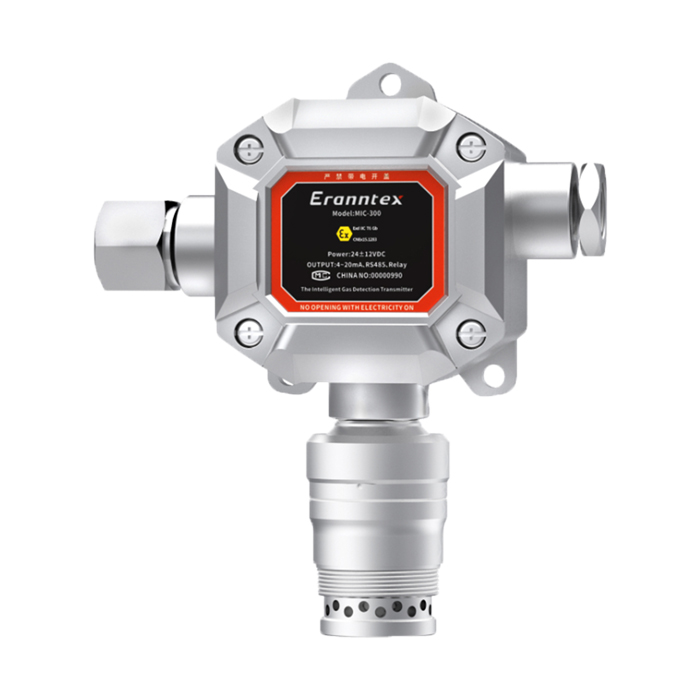
When performing numerical calibration on the oxygen detector, the following aspects should be noted:
Stability: ensure that the temperature and humidity, air pressure, wind speed and other conditions of the oxygen detector calibration environment are stable, and avoid the drastic changes of these factors to interfere with the calibration results.
No interference: The interference of other gases should be avoided during the calibration of the oxygen detector to ensure the accuracy of the calibration.
2. correction method
> Standard gas sample comparison method: the standard gas sample comparison method is used for correction, which is a common and simple method. By comparing the difference between the reading of the oxygen detector in the standard gas and the actual concentration, the reading of the oxygen detector is adjusted to make it more accurate.
Calibration steps: Follow the calibration steps and specifications provided by the manufacturer of the oxygen detector to ensure the correctness and effectiveness of the calibration process.
3. Standard Gas
gas concentration: for an oxygen detector that has not been used for a long time, a standard gas with an appropriate concentration (e.g. 3%) should be introduced to activate its catalytic element, and then a standard gas for calibration (e.g. 1%) should be introduced to calibrate.
4. instrument status
Inspection instrument: before correction, the oxygen detector should be fully inspected to ensure that it is in normal working condition.
Alarm function: During the calibration process, you need to observe the sound and light alarm signal of the oxygen detector at the same time. If the instrument cannot give an alarm in time or the alarm intensity is too low after the standard gas is introduced, it indicates that the instrument may have problems and needs further inspection and maintenance.
5. correction cycle
Record calibration data: After each calibration of the oxygen detector, the calibration data should be recorded for subsequent analysis and comparison.
To sum up, we can see that the oxygen detector needs to pay attention to the calibration environment, calibration method, standard gas, instrument status and calibration cycle when performing numerical calibration. Only by ensuring the accuracy and effectiveness of these aspects can we better improve the accuracy and reliability of the oxygen detector, thereby ensuring personnel safety and production safety.
Related information
-
How to Calibrate a Portable four-in-one Gas Detectors?
Portable four-in-one gas detectors are core protective equipment in the industrial safety field. However, sensors can experience z...
2026-09-18 -
What are the application scenarios for portable four-in-one gas detectors?
Portable four-in-one gas detectors typically monitor oxygen (O₂), flammable gas (LEL), carbon monoxide (CO), and hydrogen sulfide...
2026-09-16 -
Portable four-in-one Gas Detectors User Manual
The portable four-in-one gas detectors is a core piece of personal protective equipment (PPE) for ensuring the safety of personnel...
2026-09-14 -

Calibration Specifications for Ammonia gas Detectors
Calibration of ammonia gas detectors is a core step in ensuring their measurement accuracy and alarm reliability. However, ammonia...
2026-09-11 -
What is the appropriate installation height for an ammonia gas detectors?
Ammonia (NH₃) has a relative density of only 0.59, much lighter than air. This means that in the event of a leak, the gas will qu...
2026-09-09


 info@eranntexgas.com sale1@eranntexgas.com


 15914124845