
How to tell if the oxygen detector is damaged or out of alignment?
Publication Date:2025/01/13 Oxygen detector, as an indispensable key equipment in the field of safety monitoring, is widely used in all walks of life and plays a pivotal role. However, with the increase of service time and the influence of environmental factors, the oxygen detector may be damaged or misaligned. Therefore, in order to ensure its accuracy and reliability, it is particularly important to find and deal with potential problems in time. So do you know how to tell if the oxygen detector is damaged or out of alignment? The following is an introduction to yiyuntian electronic editor:
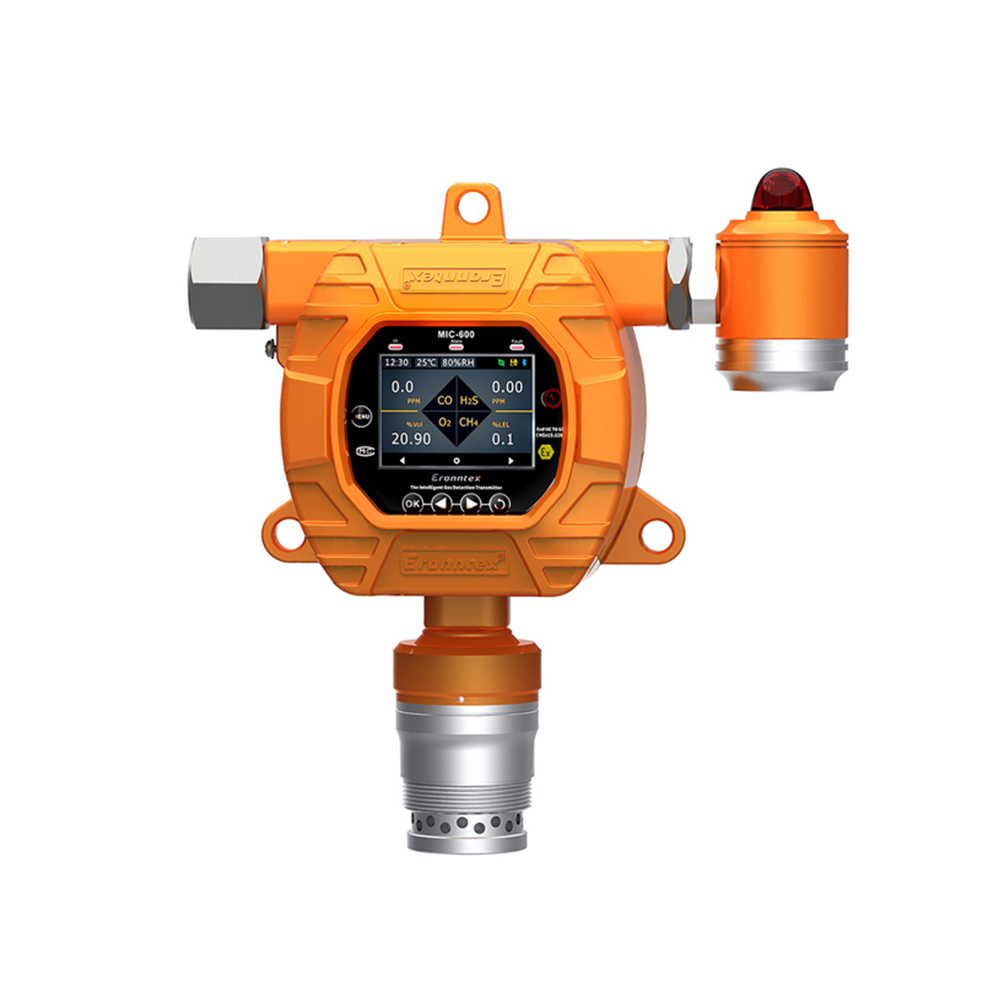
To determine whether the oxygen detector is damaged or inaccurate, observe and test from the following aspects:
1. Launch and Display Checks
(1) Unable to start normally: the oxygen tester cannot be turned on, or the display cannot be lit.This may be due to low battery power, incorrect battery installation, damaged power button, or internal circuit failure.
(2) Abnormal display: the display screen of the oxygen detector is garbled, black or unclear. This may be caused by a loose display cable, a damaged display, or an internal circuit fault.
2. Measurement Accuracy and Stability Checks
(1) inaccurate reading: measured in an oxygen environment with a known concentration, the deviation between the reading of the oxygen detector and the actual concentration is large.This may be due to aging, damage or contamination of the sensor, as well as inaccurate calibration.
(2) Large fluctuations in readings: multiple measurements under the same conditions, if the oxygen detector reading fluctuation range is too large. It may be caused by unstable sensor performance or internal circuit interference.
3. alarm function check
(1) Alarm failure: when the preset alarm threshold is reached, the oxygen detector does not send an alarm signal.This may be due to damage to the alarm system, improper setting of the alarm threshold, or internal circuit failure.
(2) Unreasonable alarm threshold: When the alarm threshold of the oxygen detector is set too high or too low, the alarm is not timely or false. At this time, we need to re-set the alarm threshold reasonably according to the actual application scenario.
4. appearance and interface check
(1) Appearance damage: the shell of the oxygen detector is cracked, deformed or seriously stained. This may be due to accidental impact, fall or prolonged exposure to harsh environments.
(2) The interface is loose or damaged: Once the data line interface of the oxygen detector, The charging interface, etc. are loose or rusted. This may affect data transmission and charging functions and needs to be replaced or repaired in time.
5. other check methods
(1) Self-check function: if the oxygen detector has a self-check function, you can check whether the components of the instrument work normally through the self-check procedure.
(2) comparative test: use other oxygen detectors of the same model for comparative test to observe whether the measurement results are consistent.
(3) Professional testing: If the above methods cannot determine whether the oxygen detector is damaged or inaccurate, it is recommended to send it to a professional testing organization for comprehensive testing.
To sum up, we can see that through startup and display inspection, measurement accuracy and stability inspection, alarm function inspection, appearance and interface inspection and other inspection methods, we can comprehensively judge whether the oxygen detector is damaged or inaccurate.If the oxygen detector is found to be faulty or abnormal, it should be repaired or replaced in time to ensure that it can continue to provide accurate and reliable measurement results.
Related information
-
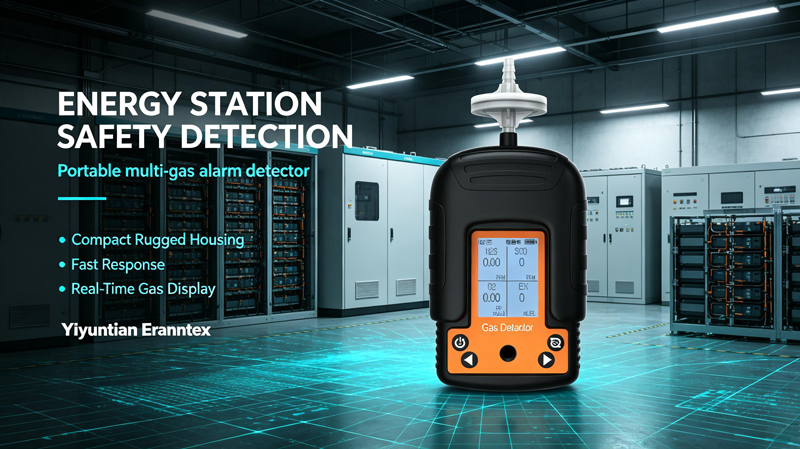
How to Calibrate a Portable four-in-one Gas Detectors?
Portable four-in-one gas detectors are core protective equipment in the industrial safety field. However, sensors can experience z...
2026-09-18 -
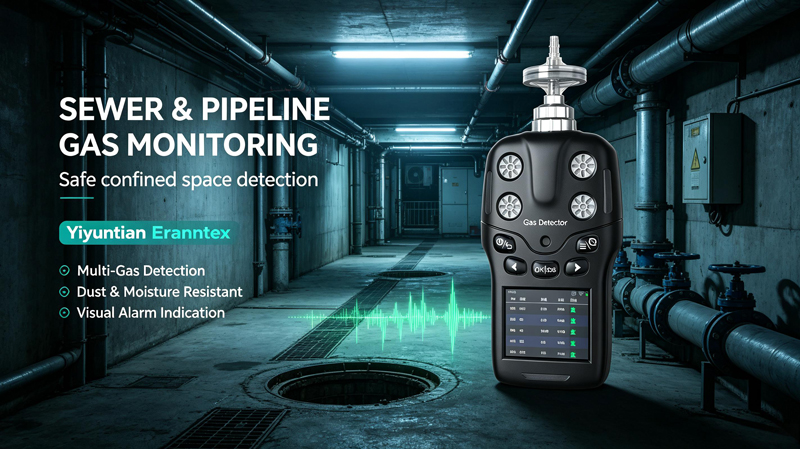
What are the application scenarios for portable four-in-one gas detectors?
Portable four-in-one gas detectors typically monitor oxygen (O₂), flammable gas (LEL), carbon monoxide (CO), and hydrogen sulfide...
2026-09-16 -

Portable four-in-one Gas Detectors User Manual
The portable four-in-one gas detectors is a core piece of personal protective equipment (PPE) for ensuring the safety of personnel...
2026-09-14 -

Calibration Specifications for Ammonia gas Detectors
Calibration of ammonia gas detectors is a core step in ensuring their measurement accuracy and alarm reliability. However, ammonia...
2026-09-11 -
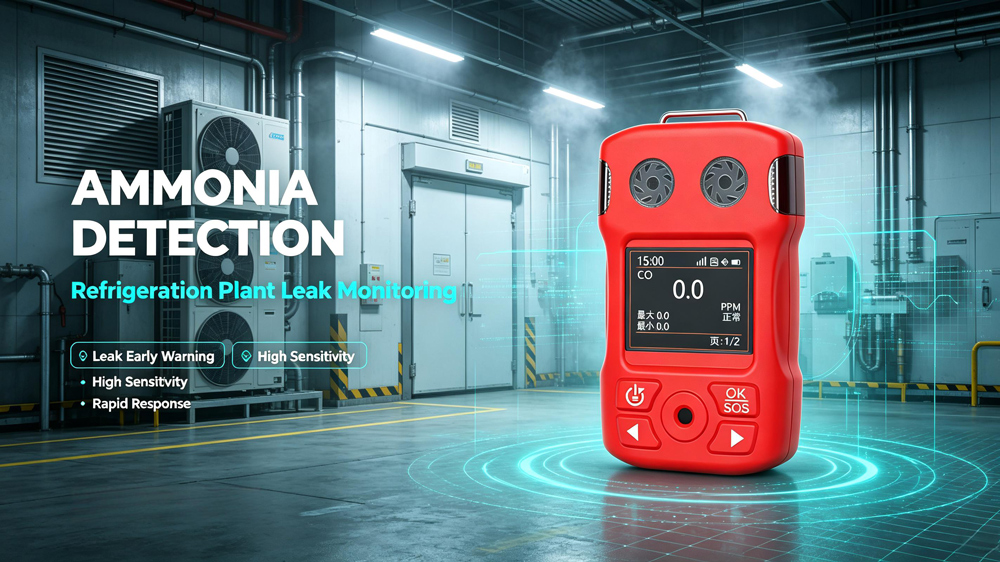
What is the appropriate installation height for an ammonia gas detectors?
Ammonia (NH₃) has a relative density of only 0.59, much lighter than air. This means that in the event of a leak, the gas will qu...
2026-09-09


 info@eranntexgas.com sale1@eranntexgas.com


 15914124845