
Hydrogen detector shows abnormal value, how to deal with it?
Publication Date:2025/01/10 In the process of using the hydrogen detector, many friends may encounter the trouble of displaying abnormal values for various reasons. This abnormal situation not only directly interferes with the normal function of the hydrogen detector, making it unable to accurately reflect the current hydrogen concentration, thereby affecting the effectiveness of the monitoring work, but more importantly, it may potentially endanger the safety of the entire working environment. Increased the risk of safety accidents caused by hidden dangers such as hydrogen leakage. Therefore, in the face of the problem of hydrogen detector showing abnormal numerical value, we must attach great importance to it, and take corresponding measures quickly and accurately, so as to provide a strong guarantee for the safety and stability of the working environment. Then you know hydrogen detector displays an abnormal value. what should I do? The following is a brief introduction by yiyuntian electronics:
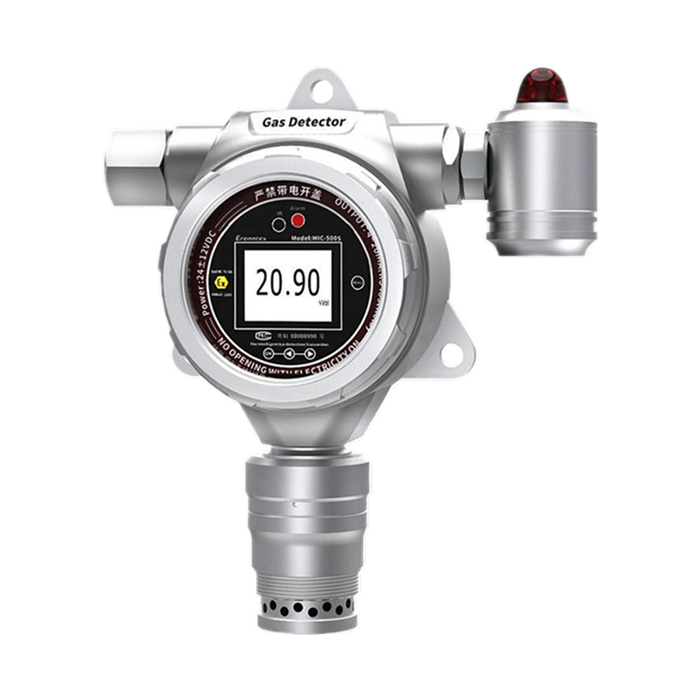
When the hydrogen detector displays an abnormal value, you can take the following steps to deal with it:
1. Preliminary Inspection and Validation
(1) Observe the displayed value:
Carefully check the value displayed by the hydrogen detector to see if there is indeed an abnormality.Anomalies may be represented by numerical jumps, deviations from actual values, or display instability.
(2) Check the instrument status:
Confirm whether the hydrogen detector is in normal working condition, including whether the power supply is sufficient, whether the sensor is clean and undamaged, etc.
(3) Compare standard values:
If there is a known standard hydrogen concentration value, you can compare the displayed value of the hydrogen detector with the standard value to determine whether the value is abnormal.
2. in-depth analysis
The sensor may age due to long-term use, or reduce sensitivity due to pollution, blockage, etc.Incorrect calibration or expired calibration of the sensor may also cause abnormal values of the hydrogen detector.
(2) Instrument failure:
The internal circuit, display or processor of the hydrogen detector may malfunction, resulting in abnormal display values.
(3) Environmental impacts:
The working environment of the hydrogen detector may have interference factors, such as electromagnetic interference, temperature fluctuations, etc., which may affect the measurement accuracy of the instrument.
(4) Improper operation:
The operator may not operate the hydrogen detector correctly according to the instructions, such as not preheating, not setting parameters correctly, etc.
3. action
(1) Re-calibrate the sensor:
If you suspect a sensor problem, you can try to recalibrate the sensor to ensure its measurement accuracy. The hydrogen detector calibration process should follow the manufacturer's guidelines and use the appropriate calibration gas.
(2) Check and clean the sensor:
Regularly check that the sensor is clean, and if there is contamination, clean it with an appropriate cleaning agent. Avoid damaging the sensor surface during cleaning.
(3) Replace the sensor:
If the sensor is aged or severely damaged, consider replacing it with a new one.
(4) Check the internal circuit of the instrument:
If you suspect that the internal circuit of the hydrogen detector is faulty, you should contact the manufacturer or professional maintenance personnel for inspection and maintenance.
(5) Improving the work environment:
Minimize interference factors in the work environment, such as electromagnetic interference, temperature fluctuations, etc. Keep the working environment clean and tidy, avoid the influence of dust and debris on the instrument.
(6) Train operators:
Train operators to ensure they understand the proper operation and precautions of the hydrogen detector.
(7) Record and report:
Record the abnormal value displayed by the hydrogen detector, including time, location, value and other details. If necessary, report to the relevant department or leader for further measures.
4. precautions
(1) Regular maintenance:
Maintain and maintain the hydrogen detector regularly, including cleaning the sensor and checking the circuit.
(2) Use correctly:
Ensure that the operator operates the hydrogen detector correctly according to the instructions to avoid misoperation leading to abnormal values.
(3) Storage environment:
Store the hydrogen detector in a dry, ventilated, non-corrosive gas environment to avoid prolonged exposure to sunlight or moisture.
In summary, we can see that when the hydrogen detector shows an abnormal value, we should start with preliminary inspection and confirmation, in-depth analysis of the causes, treatment measures and preventive measures.Through the implementation of these measures, the accuracy and reliability of the hydrogen detector can be ensured, and the safety of the workplace can be guaranteed.
Related information
-
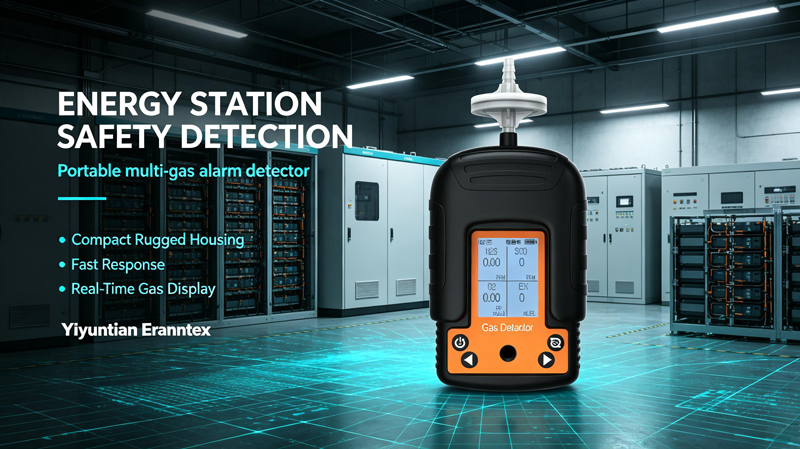
How to Calibrate a Portable four-in-one Gas Detectors?
Portable four-in-one gas detectors are core protective equipment in the industrial safety field. However, sensors can experience z...
2026-09-18 -
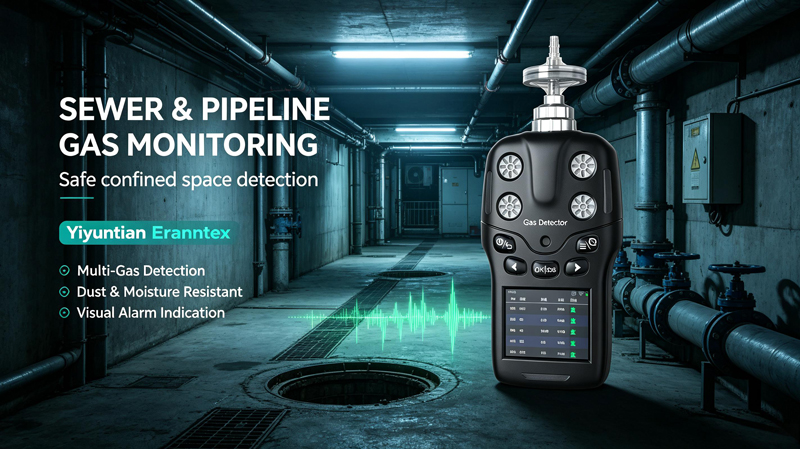
What are the application scenarios for portable four-in-one gas detectors?
Portable four-in-one gas detectors typically monitor oxygen (O₂), flammable gas (LEL), carbon monoxide (CO), and hydrogen sulfide...
2026-09-16 -
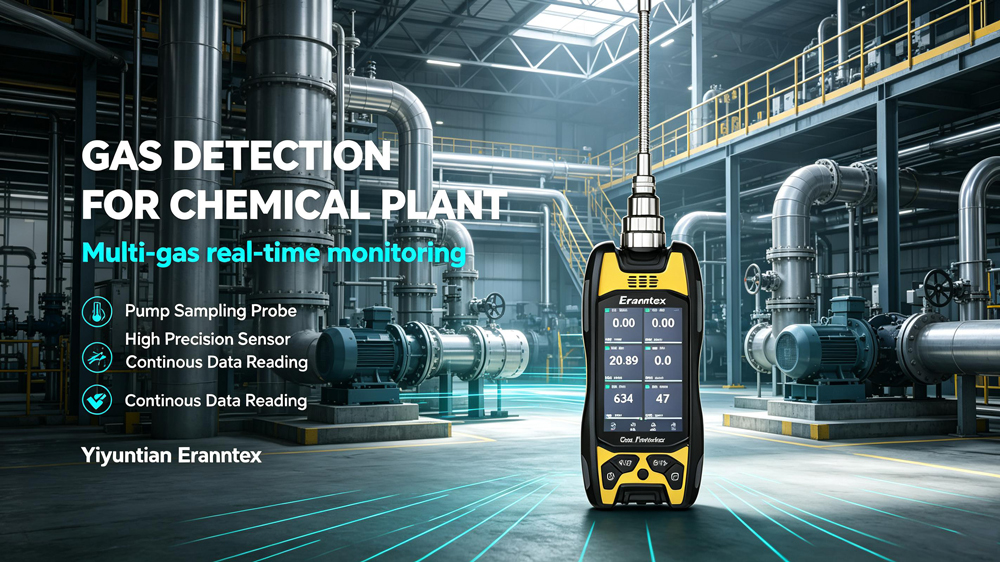
Portable four-in-one Gas Detectors User Manual
The portable four-in-one gas detectors is a core piece of personal protective equipment (PPE) for ensuring the safety of personnel...
2026-09-14 -

Calibration Specifications for Ammonia gas Detectors
Calibration of ammonia gas detectors is a core step in ensuring their measurement accuracy and alarm reliability. However, ammonia...
2026-09-11 -
What is the appropriate installation height for an ammonia gas detectors?
Ammonia (NH₃) has a relative density of only 0.59, much lighter than air. This means that in the event of a leak, the gas will qu...
2026-09-09

 info@eranntexgas.com sale1@eranntexgas.com


 15914124845