
How to solve the problem that the hydrogen detector cannot resume normal measurement after zero adjustment?
Publication Date:2025/01/08 In the daily use of the hydrogen detector, it is occasionally encountered that the instrument cannot normally restore the measurement state after the zero adjustment operation. These 1 phenomena not only directly hinder the hydrogen detector from performing its due monitoring function, but also affect the accurate control of hydrogen concentration. More seriously, it may potentially threaten the safety environment of the workplace and increase potential safety hazards. Therefore, it is very important to solve these 1 problems quickly and accurately. Then do you know that hydrogen detector cannot resume normal measurement after zeroing, how to solve it? The following is an introduction to yiyuntian electronic editor:
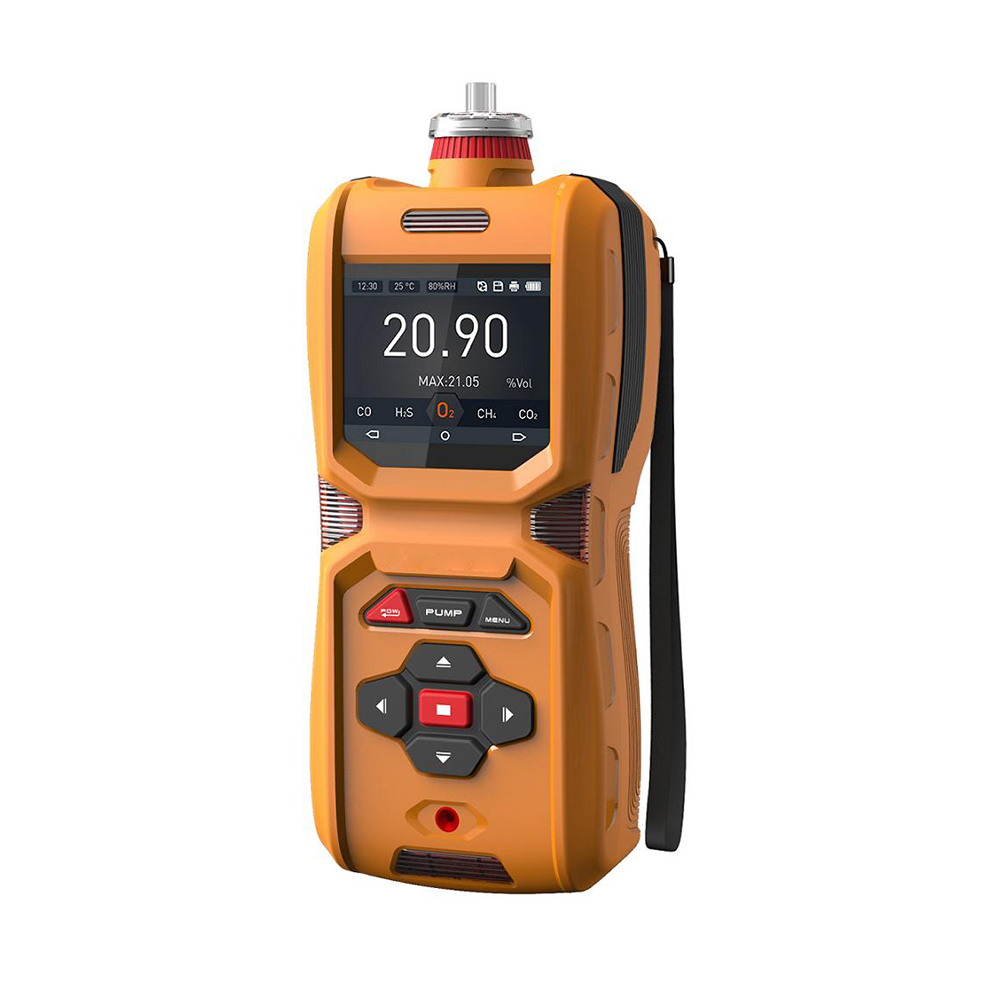
When the hydrogen detector cannot resume normal measurement after zeroing, you can try the following steps to solve the problem:
1. check zeroing process
(1) Confirm the zeroing environment:
Ensure that the hydrogen detector zeroing environment is safe and stable, and away from potential hydrogen leakage sources.
(2) Check the warm-up status:
Ensure that the hydrogen detector is fully preheated and stable, and the preheating time should be based on the instrument model and manufacturer's recommendations.
(3) Follow the operation manual:
carefully read and follow the operation manual of the hydrogen detector to adjust the zero operation, and confirm whether the zero adjustment mode is entered according to the correct steps and the correct parameter settings are made.
2. Inspection Instrument Status
strong> (1) Sensor status:
Check the sensor used by the hydrogen detector for aging or damage. If the sensor is found to be aging, it may need to be replaced. At the same time, the sensor surface should be kept clean and pollution-free.
(2) Power check:
Ensure that the power supply is stable and avoid the normal operation of the hydrogen detector due to power fluctuations.
(3) Alarm status check:
Check whether the hydrogen detector is in an alarm state. If so, confirm whether it is a concentration alarm or a fault alarm. The concentration alarm usually appears with a specific alarm word and flashes with a red indicator light. A yellow light may illuminate if a fault alarm occurs.
3. attempt to recover
strong> (1) Restore factory settings:
If you still cannot restore the normal measurement after zeroing, you can try to restore the hydrogen detector to the factory settings.Note that a factory reset may erase all previous calibration data and settings, so make sure you have backed up the necessary data before doing this.
(2) Recalibrate:
After the hydrogen detector is restored to the factory settings, re-calibrate. The test can be performed with a hydrogen sample of known concentration to verify the accuracy and reliability of the hydrogen detector.
4. contact the manufacturer or service specialist
If the above steps do not solve the problem, it is recommended to contact the manufacturer or professional maintenance personnel for inspection and repair. They may need to conduct more in-depth diagnosis and repair of the hydrogen detector.
5. precautions
(1) Regular maintenance:
Regularly maintain and calibrate the hydrogen detector to ensure its long-term stable operation.
(2) Precautions for Use:
When using the hydrogen detector, take care not to expose it to extreme temperatures, humidity, or corrosive environments. At the same time, avoid violent vibration or impact on the instrument.
(3) Train operators:
Train hydrogen detector operators to ensure they are familiar with the instrument's operating methods and precautions.
To sum up, we can see that when the hydrogen detector cannot resume normal measurement after zeroing, the problem can be solved by checking the zeroing process, instrument status, trying to resume operation, contacting the manufacturer or professional maintenance personnel, and taking preventive measures.Let's work together to ensure the safe and efficient operation of hydrogen detectors in industrial production and laboratory environments.
Related information
-
How to Calibrate a Portable four-in-one Gas Detectors?
Portable four-in-one gas detectors are core protective equipment in the industrial safety field. However, sensors can experience z...
2026-09-18 -
What are the application scenarios for portable four-in-one gas detectors?
Portable four-in-one gas detectors typically monitor oxygen (O₂), flammable gas (LEL), carbon monoxide (CO), and hydrogen sulfide...
2026-09-16 -

Portable four-in-one Gas Detectors User Manual
The portable four-in-one gas detectors is a core piece of personal protective equipment (PPE) for ensuring the safety of personnel...
2026-09-14 -

Calibration Specifications for Ammonia gas Detectors
Calibration of ammonia gas detectors is a core step in ensuring their measurement accuracy and alarm reliability. However, ammonia...
2026-09-11 -
What is the appropriate installation height for an ammonia gas detectors?
Ammonia (NH₃) has a relative density of only 0.59, much lighter than air. This means that in the event of a leak, the gas will qu...
2026-09-09

 info@eranntexgas.com sale1@eranntexgas.com


 15914124845