
How to reasonably set the alarm point of combustible gas alarm?
Publication Date:2025/01/03 In industrial production, laboratory operation and daily life environment, combustible gas alarm is an important safety equipment to prevent fire and explosion accidents. In order to ensure its effective function, it is particularly important to set the alarm point of the combustible gas alarm reasonably, which is not only related to the sensitivity and accuracy of the alarm, but also directly related to the safety of life and property and the stability of the production environment. Therefore, when deploying combustible gas alarms, we must consider a variety of factors to ensure that the alarm point setting is scientific and reasonable. Do you know how to properly set the alarm point of combustible gas alarm ? The following is an introduction to yiyuntian electronic editor:

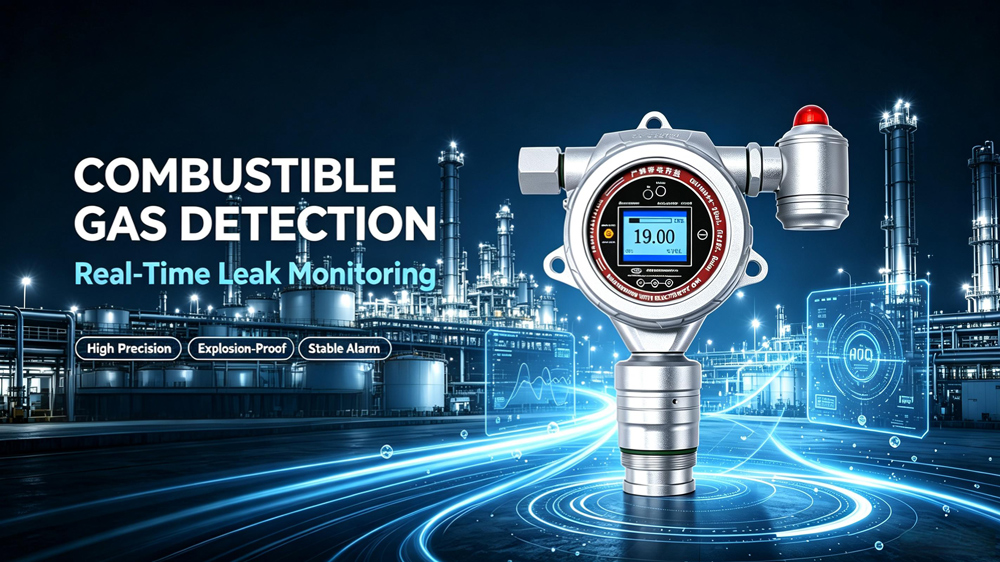
to reasonably set the alarm point of combustible gas alarm, the following aspects need to be comprehensively considered:
1. to locate the alarm
br>
(1) Near the gas source:
Install the alarm in a location close to the gas source, such as the kitchen, bathroom or near gas equipment, to ensure that the combustible gas alarm can effectively detect gas leakage.
(2) Avoid blocking:
Avoid installing the combustible gas alarm in a location that may be blocked by furniture, curtains, etc., so that the combustible gas alarm can detect a gas leak in time.
2. set according to gas characteristics
(1) Gas density:
For combustible gases with a density greater than air, such as liquefied petroleum gas, the combustible gas alarm should be installed on the lower plane below the leak point to better detect gas leaks. For combustible gas with density less than air, such as methane, hydrogen, etc., the combustible gas alarm should be installed at a higher position, such as 30cm below the roof, or the installation height should be determined according to the specific gas molecular weight ratio.
(2) Gas release source:
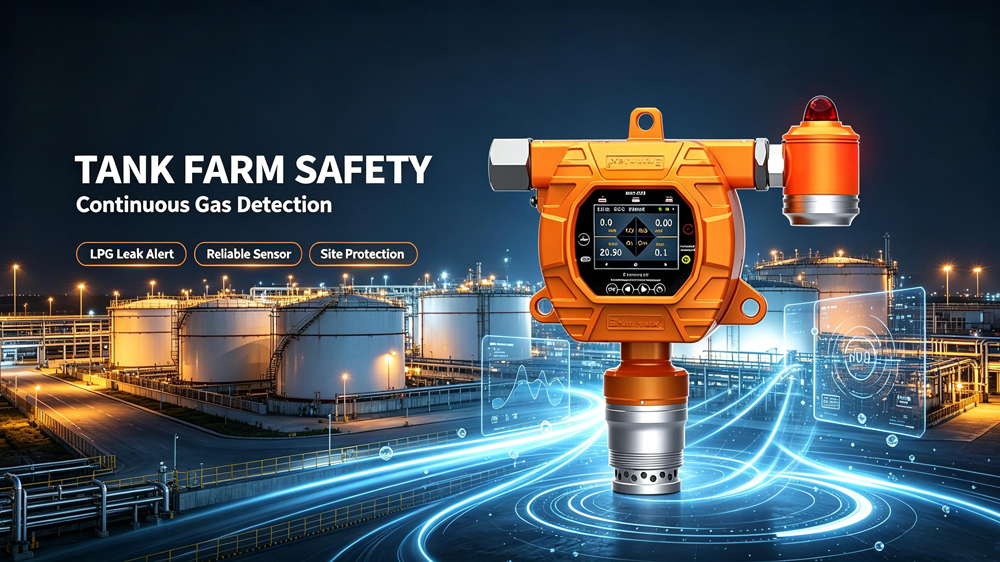
According to the location and characteristics of the release source, determine the installation location and number of combustible gas alarms. For example, detectors should be set up in the fire dike of liquid storage tanks that produce flammable gases such as liquefied hydrocarbons, Class A and Class B liquids. In an open environment, if there is a lack of good ventilation conditions, you should also pay attention to setting a combustible gas alarm to monitor the combustible gas that may accumulate.
3. environmental considerations
(1) Wind speed and direction:
Wind speed and wind direction will affect the diffusion and accumulation of gas, so these factors need to be considered when setting the alarm point.For example, in an environment with high wind speed, it may be necessary to increase the number of combustible gas alarms or adjust their installation positions.
(2) Temperature:
Temperature also affects the diffusion speed of gas and the sensitivity of combustible gas alarms. In a high temperature environment, it may be necessary to select an alarm with higher sensitivity.
4. Other Considerations
strong> (1) sensitivity adjustment:
Combustible gas alarms usually have different sensitivity setting options. Select the appropriate sensitivity according to the actual situation.If there are other flammable gases in the surrounding environment, it may be necessary to lower the sensitivity to avoid false alarms.
(2) Periodic testing and maintenance:
After setting the alarm point, test regularly to ensure that the combustible gas alarm works properly. At the same time, it is also necessary to regularly check the working status of the combustible gas alarm, replace the battery or repair damaged parts.
In summary, we can see that setting the alarm point of combustible gas alarm requires comprehensive consideration of many factors, including alarm location, gas characteristics, environmental factors, etc. Through scientific and reasonable settings, it can ensure that the combustible gas alarm can accurately and timely detect the leakage of combustible gas, so as to effectively prevent the occurrence of accidents.
Related information
-
How to Calibrate a Portable four-in-one Gas Detectors?
Portable four-in-one gas detectors are core protective equipment in the industrial safety field. However, sensors can experience z...
2026-09-18 -
What are the application scenarios for portable four-in-one gas detectors?
Portable four-in-one gas detectors typically monitor oxygen (O₂), flammable gas (LEL), carbon monoxide (CO), and hydrogen sulfide...
2026-09-16 -
Portable four-in-one Gas Detectors User Manual
The portable four-in-one gas detectors is a core piece of personal protective equipment (PPE) for ensuring the safety of personnel...
2026-09-14 -

Calibration Specifications for Ammonia gas Detectors
Calibration of ammonia gas detectors is a core step in ensuring their measurement accuracy and alarm reliability. However, ammonia...
2026-09-11 -
What is the appropriate installation height for an ammonia gas detectors?
Ammonia (NH₃) has a relative density of only 0.59, much lighter than air. This means that in the event of a leak, the gas will qu...
2026-09-09

 info@eranntexgas.com sale1@eranntexgas.com


 15914124845