
How to improve the accuracy of gas detector?
Publication Date:2025/02/12 As we all know, high-precision gas detectors can quickly respond to and capture small changes in gas concentration, so as to provide users with reliable data support, help users make correct decisions in time, and effectively prevent potential safety hazards. It can be seen that improving the accuracy of the gas detector has undoubtedly become a vital part of ensuring its effectiveness. It is directly related to the accuracy and safety of the monitoring work and is an indispensable part of ensuring the smooth operation of the production environment. So do you know how to improve the accuracy of gas detector ? The following is a brief introduction to yiyuntian electronics:
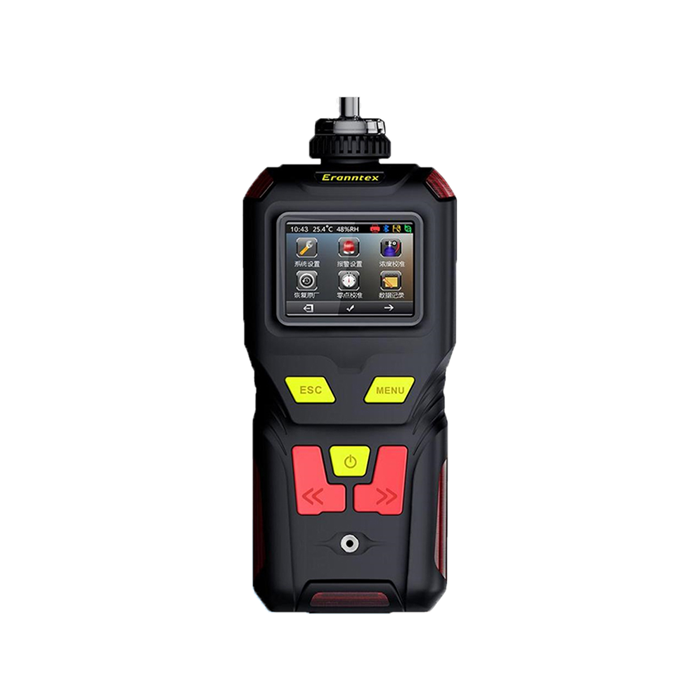
The methods to improve the accuracy of gas detector mainly include the following aspects:
1. high-performance sensors
br>
Select the appropriate sensor: the gas detector should select the appropriate sensor according to the type of gas detected, because different sensors may have different detection accuracy for different gases.High-performance sensors should have the characteristics of high sensitivity, good selectivity and strong stability.
Consider the life of the sensor: The gas detector should choose a sensor with a longer service life to reduce The accuracy of the sensor is reduced due to aging.
2. optimization environment conditions
Control temperature and humidity: gas sensors are very sensitive to ambient temperature and humidity, so ensure that the gas detector works under suitable temperature and humidity conditions.Generally, the temperature range should be controlled between -20°C and 55°C, and the humidity range between 15% RH and 90% RH (60% RH at a suitable humidity of 20°C). The method of temperature and humidity compensation can be used to reduce the influence of temperature and humidity on the measurement results.
Manage gas pressure: ensure that the gas measured by the gas detector sensor is blown parallel to the top surface of the sensor, instead of blowing vertically to the top surface of the sensor, and ensure that the pressure inside and outside the gas chamber is the same to avoid the influence of pressure changes on the measurement results.
Reduce electromagnetic interference: avoid using gas detectors in environments with strong electromagnetic interference, so as not to affect its normal work and detection accuracy.
3. correct installation and operation
Install correctly: choose the correct installation location and avoid installation in places with poor ventilation or interference. Ensure that the gas detector has full access to the gas to be measured, while avoiding the influence of interfering gases.
Standard operation: Use the gas detector correctly according to the operation manual or the instructions provided by the manufacturer.Follow the correct operation steps and precautions, such as startup preheating, detection methods, sampling methods, etc., to avoid errors caused by improper operation.
4. Regular Calibration and Maintenance
Periodic calibration: calibration shall be carried out in strict accordance with the time interval and method specified by the gas detector manufacturer. The calibration should use standard gas to ensure that the reading of the gas detector is consistent with the standard value. Regular calibration can ensure that the sensitivity and accuracy of the sensor are maintained at a high level.
Maintain the sensor: Clean the sensor surface regularly to remove impurities such as dust and grease, and keep the sensor clean and sensitive. At the same time, check whether the sensor is aging or damaged, and replace the damaged sensor in time. In addition, it is necessary to regularly clean the air inlet of the gas detector to prevent blockage and pollution.
5. Data Processing and Analysis
Recording and analyzing data: Record the results of each test and perform detailed analysis. By comparing historical data with current data, you can identify possible problems and take timely measures to improve them.
6. Training and Personnel Management
Establish operating procedures: Establish complete operating procedures and safety specifications to ensure that gas detector operators can follow correct operating procedures and safety standards when using the instrument.
To sum up, we can see that improving the accuracy of gas detectors requires sensor selection, optimization of environmental conditions, correct installation and operation, regular calibration and maintenance, data processing and analysis, training and personnel management. Through the comprehensive application of these methods, the accuracy and reliability of the gas detector can be significantly improved, and more accurate data support can be provided for industrial safety, environmental monitoring and other fields.
Related information
-
How to Calibrate a Portable four-in-one Gas Detectors?
Portable four-in-one gas detectors are core protective equipment in the industrial safety field. However, sensors can experience z...
2026-09-18 -
What are the application scenarios for portable four-in-one gas detectors?
Portable four-in-one gas detectors typically monitor oxygen (O₂), flammable gas (LEL), carbon monoxide (CO), and hydrogen sulfide...
2026-09-16 -
Portable four-in-one Gas Detectors User Manual
The portable four-in-one gas detectors is a core piece of personal protective equipment (PPE) for ensuring the safety of personnel...
2026-09-14 -

Calibration Specifications for Ammonia gas Detectors
Calibration of ammonia gas detectors is a core step in ensuring their measurement accuracy and alarm reliability. However, ammonia...
2026-09-11 -
What is the appropriate installation height for an ammonia gas detectors?
Ammonia (NH₃) has a relative density of only 0.59, much lighter than air. This means that in the event of a leak, the gas will qu...
2026-09-09
 info@eranntexgas.com sale1@eranntexgas.com


 15914124845