
Oxygen Detectors: Your Key to a Safer Environment
In the global pursuit of safety and healthy living, oxygen detectors are increasingly becoming indispensable equipment for safeguarding environments across all sectors. Whether in industrial settings, domestic spaces, or outdoor adventure scenarios, they play a crucial role in establishing a robust safety barrier for people.
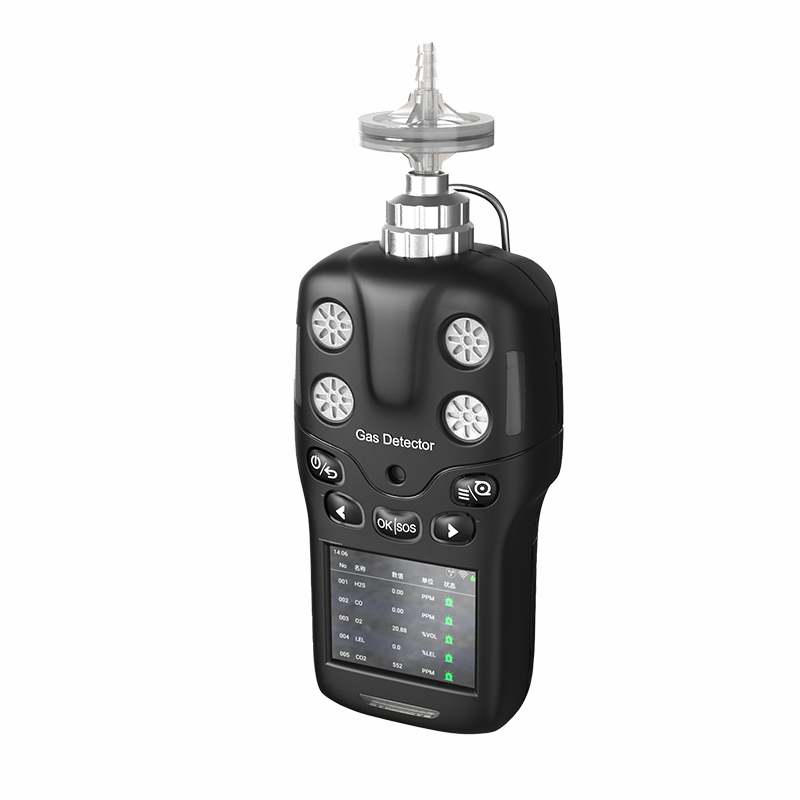
Guardians of the Industrial Sector
On the grand stage of industrial production, numerous sectors rely on precise monitoring of oxygen concentrations. The chemical industry stands as a prime example, where many chemical reactions require specific oxygen levels to proceed safely. Should oxygen concentrations exceed safe limits, violent chemical reactions may occur, potentially leading to severe accidents such as fires or explosions. For instance, during the storage and transportation of flammable and explosive chemicals, oxygen detectors continuously monitor ambient oxygen levels. When oxygen levels approach hazardous thresholds, the detector immediately triggers an alarm, alerting personnel to take appropriate measures such as ventilating the area or adjusting process parameters. This effectively prevents accidents, safeguarding both plant operations and worker safety.
The oil and gas sector similarly relies heavily on oxygen detectors. Throughout extraction, refining, and storage processes, numerous flammable and explosive gas mixtures are present. As an oxidising agent, even minute variations in oxygen concentration can pose significant safety hazards. Oxygen detectors can be installed at critical locations such as oil and gas wells, refineries, and storage tanks to continuously monitor oxygen levels. Upon detecting anomalies, the system automatically activates safety protocols—such as shutting valves or initiating fire suppression equipment—to neutralise risks at their inception, ensuring the secure and stable operation of the entire energy production chain.
A Reassuring Choice for Domestic Settings
Within domestic settings, oxygen detectors serve as vital tools for safeguarding family health and safety. In confined spaces like basements or garages, poor ventilation can lead to a gradual depletion of oxygen levels alongside the accumulation of harmful gases such as carbon monoxide. Unaware occupants entering these areas risk oxygen deprivation, suffocation, or poisoning. With an oxygen detector installed, it continuously monitors indoor oxygen levels and promptly alerts occupants through audible alarms or visual indicators. Should oxygen concentrations become dangerously low, individuals can immediately open windows for ventilation, averting potential hazards.
Moreover, for individuals with specific health requirements, such as those suffering from respiratory conditions, oxygen detectors become indispensable equipment. They enable patients and their families to continuously monitor indoor oxygen levels, ensuring patients can rest and receive treatment within an appropriate oxygen environment. Some advanced models can integrate with smart home systems, facilitating remote monitoring and automatic adjustments, thereby enhancing convenience and safety in domestic settings.
A Reliable Companion for Outdoor Adventures
For outdoor enthusiasts, oxygen detectors serve as dependable companions in exploring uncharted territories. In high-altitude environments—such as during mountaineering or trekking—thin air and reduced oxygen levels can induce altitude sickness, posing life-threatening risks in severe cases. Carrying an oxygen detector enables real-time monitoring of ambient oxygen concentration, helping adventurers plan itineraries and rest periods judiciously to prevent oxygen-deprivation-induced discomfort.
During underground cave exploration or diving activities, oxygen detectors similarly play a vital role. They monitor oxygen levels within caves or underwater environments, ensuring the safety of adventurers. Should oxygen concentrations become abnormal, explorers can promptly take action—such as retreating to safe zones or utilising backup oxygen equipment—to avoid perilous situations.
With their precise monitoring capabilities and reliable alarm functions, oxygen detectors have become essential equipment for creating safe environments. Whether in industrial production, domestic settings, or outdoor adventures, they serve as steadfast guardians, silently safeguarding human life and health. Let us recognise the importance of oxygen detectors, utilise them appropriately, and foster safer, healthier living environments for ourselves and others.
Related information
-
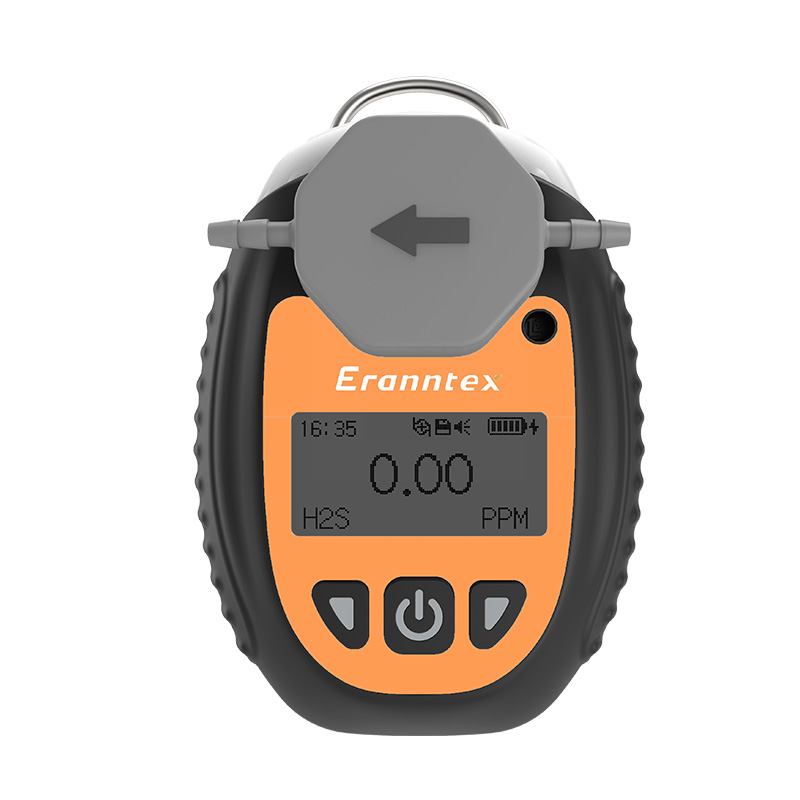
How to Calibrate an Oxygen Detectors to Ensure Accuracy?
In fields such as industrial safety, confined space operations, environmental monitoring, and even medical support, the measuremen...
2026-01-14 -
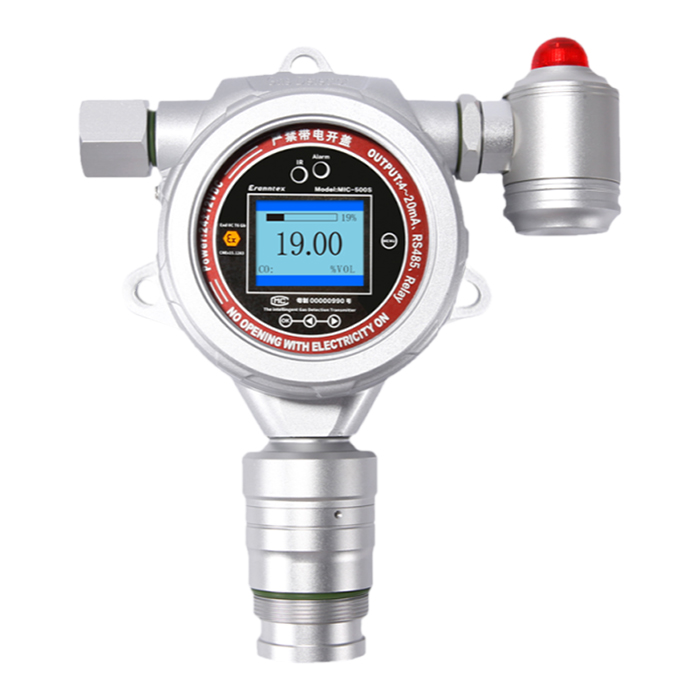
What is the measurement range of an oxygen detectors?
Oxygen detectors are indispensable equipment in industrial safety, environmental monitoring, and confined space operations. Accura...
2026-01-13 -
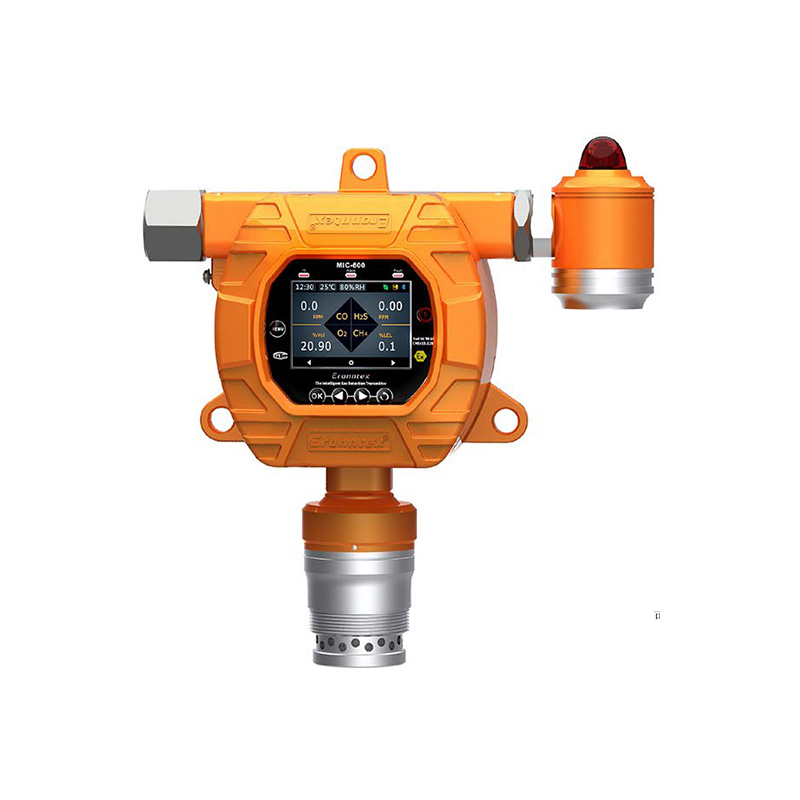
What is the normal oxygen concentration for an oxygen detectors?
Oxygen (O₂) is a vital gas for sustaining human life and most combustion processes. However, both excessively high and low oxygen...
2026-01-12 -
How Do Nitrogen Oxide Detectors Work?
Against a backdrop of growing global concern over air quality and emissions compliance, the precise monitoring of nitrogen oxides ...
2026-01-09 -
Operating Instructions for Nitrogen Oxide Detectors
Nitrogen oxides (NOₓ, primarily comprising nitrogen monoxide NO and nitrogen dioxide NO₂) are significant atmospheric pollutants...
2026-01-07
 info@eranntexgas.com


 13480931872