
What can a Combustible gas detectors detect?
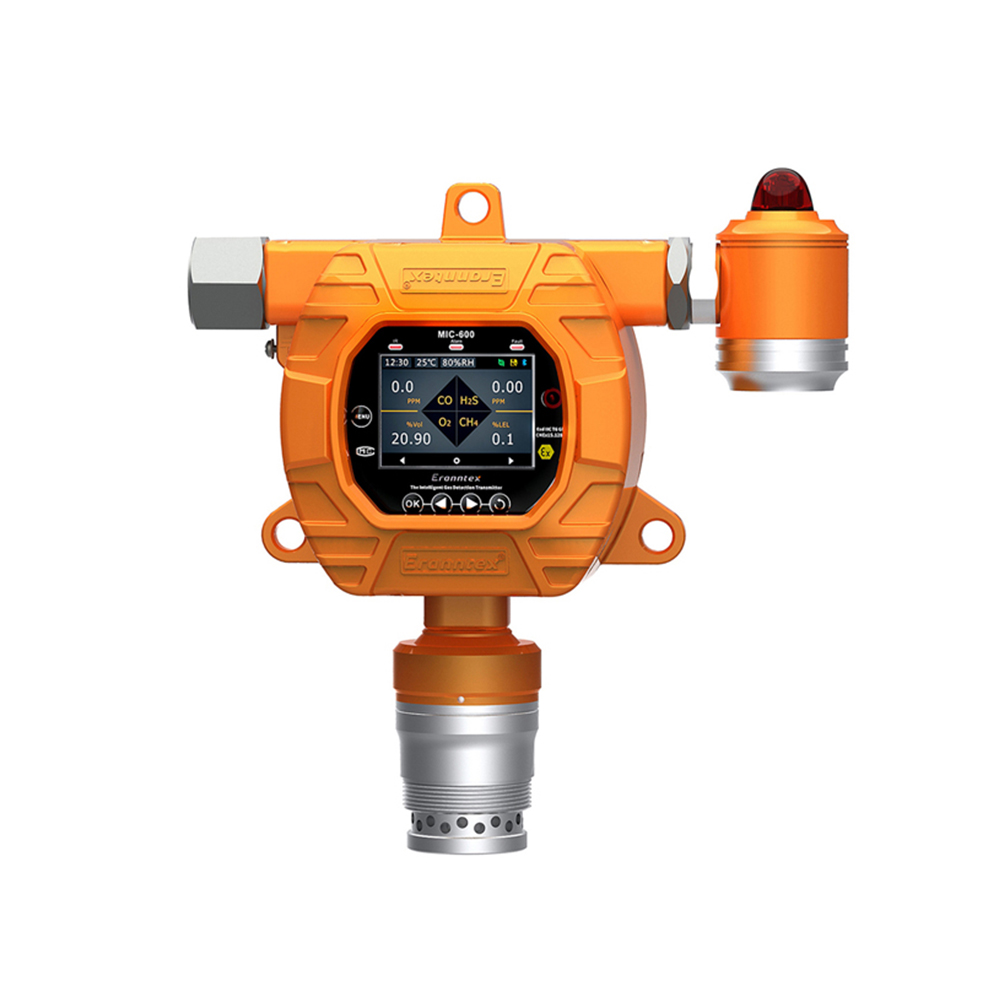
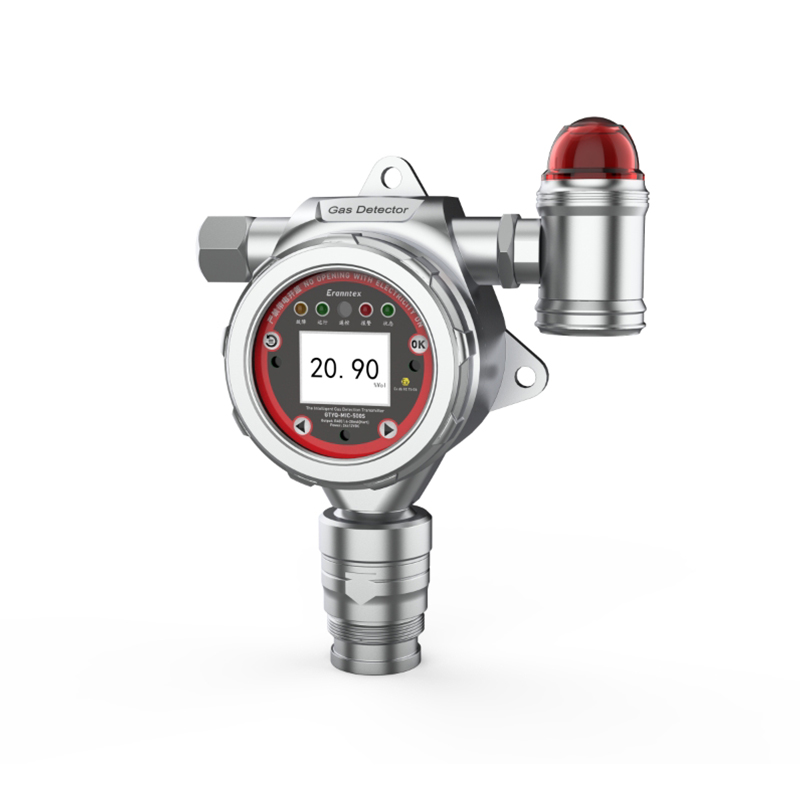
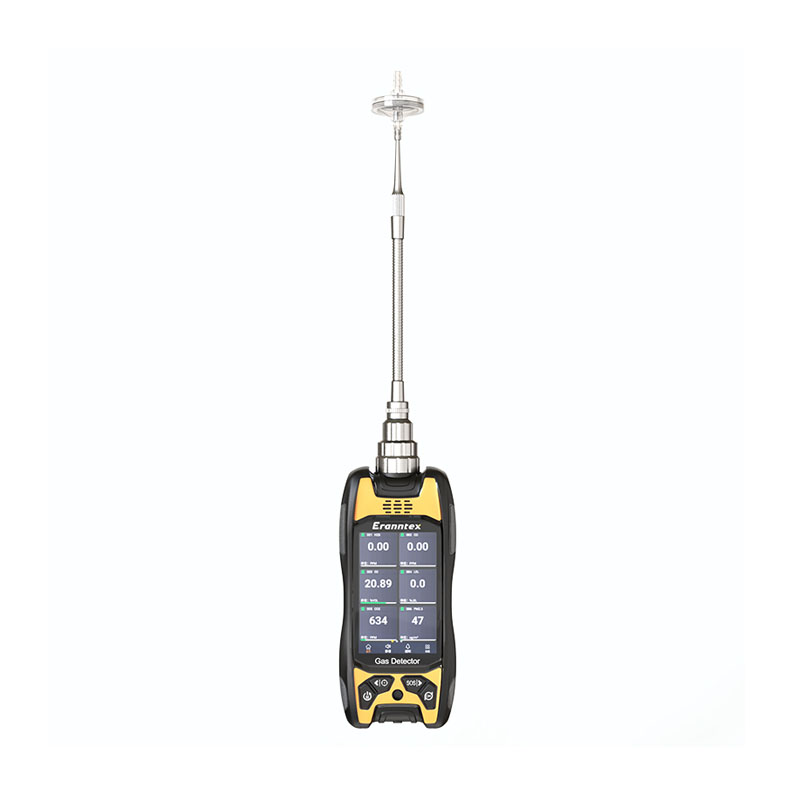
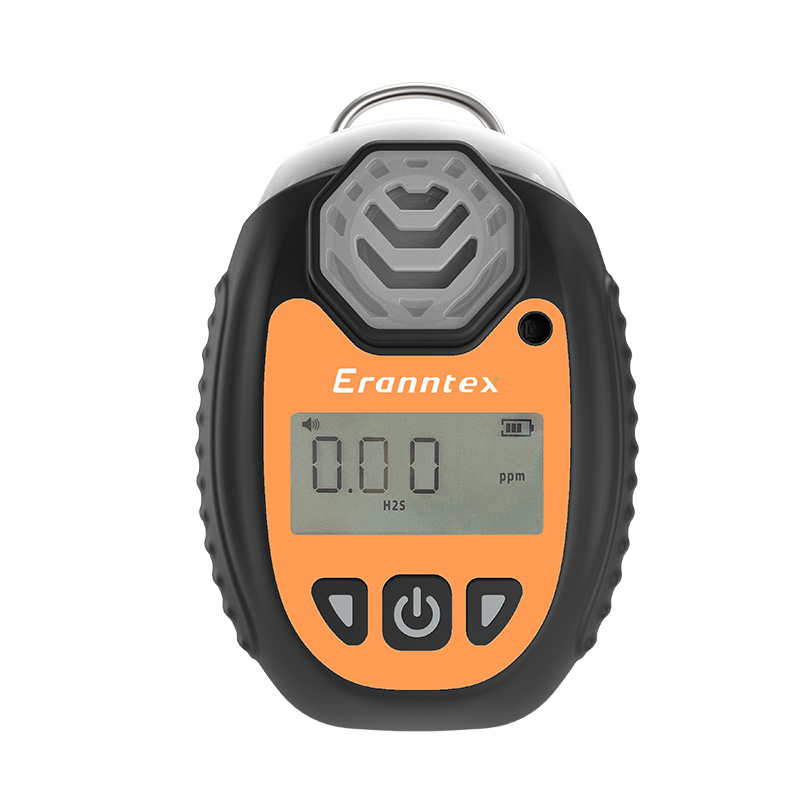
In today's globalised era, safety remains the foremost concern across industrial production, commercial premises, and domestic environments. As vital safety equipment, combustible gas detectors play a critical role in preventing fires and explosions caused by gas leaks. So, precisely which combustible gases can they detect? Below, Yiyuntian Eranntex outlines the common hydrocarbon gases.
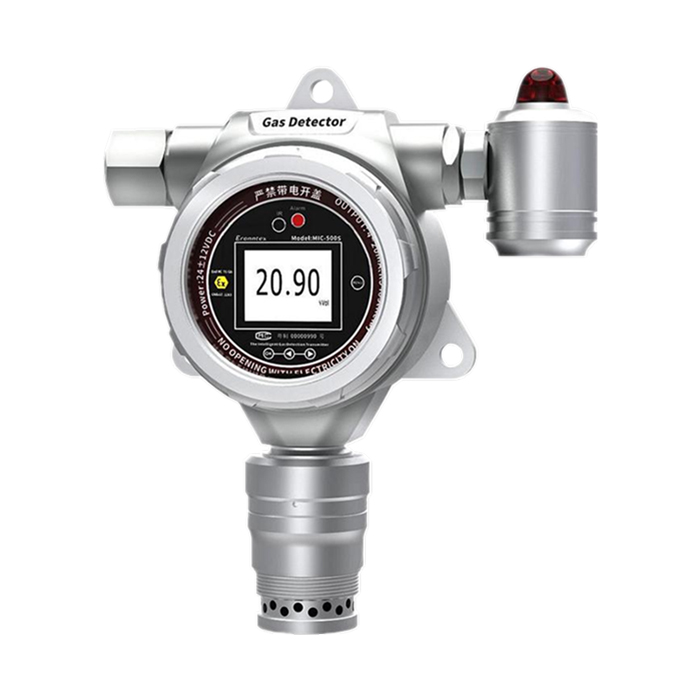
Common Hydrocarbon Gases
One of the most prevalent applications for combustible gas detectors is the detection of hydrocarbon gases. These gases are widely present in energy industries such as petroleum and natural gas. Take methane, for instance—the primary component of natural gas. During coal mining, oil and gas field development, and the transportation and utilisation of natural gas, methane leaks not only result in energy wastage but also pose significant safety hazards. Should methane concentrations in the air reach a certain level, exposure to open flames or electrical sparks could trigger explosions. Combustible gas detectors sensitively monitor methane concentration changes, promptly issuing alerts when levels exceed preset safety thresholds. This enables timely action—such as ventilation or halting operations—to prevent accidents.
Beyond methane, propane and butane are also key targets for combustible gas detectors. Propane is commonly used in liquefied petroleum gas (LPG), widely employed in domestic cooking and industrial heating applications. Butane is frequently found in lighter fuels and certain portable aerosol products. These hydrocarbon gases possess flammable and explosive properties. Combustible gas detectors can precisely detect their presence and concentration, providing reliable safety assurance for production and daily life.
Special Gases in Industrial Production
In industrial production, beyond common hydrocarbon gases, certain special combustible gases require detection. For instance, hydrogen is a clean and efficient energy source with extensive applications in chemical, electronics, and metallurgical industries. Hydrogen possesses a high calorific value when burned, yet it is highly prone to leakage and exhibits a broad explosive limit range in air. Any leakage could lead to catastrophic consequences. Flame-retardant gas detectors enable real-time monitoring of hydrogen concentrations, ensuring the safe progression of production processes.
Furthermore, although carbon monoxide is not a typical hydrocarbon gas, it is both combustible and toxic. During the operation of industrial furnaces, kilns, internal combustion engines, and similar equipment, carbon monoxide may be produced. Should carbon monoxide accumulate to a certain concentration in the air, it can not only trigger fires and explosions but also cause severe harm to human health, leading to poisoning or even death. Combustible gas detectors can simultaneously monitor carbon monoxide levels, issuing timely alerts to safeguard personnel safety.
Potential Risks in Domestic Settings
In domestic settings, combustible gas detectors remain indispensable. Increasingly, households utilise natural gas for cooking and heating. However, issues such as ageing gas pipelines and faulty appliances can lead to gas leaks. Installed in critical locations like kitchens and near gas meters, these detectors provide continuous 24-hour monitoring of gas concentrations. Upon detecting a leak, it immediately emits a loud alarm, prompting household members to take action such as shutting off gas valves and ventilating rooms. This effectively prevents fires and explosions caused by gas leaks, safeguarding home safety.
In summary, combustible gas detectors can detect a wide range of common and specialised gases, including hydrocarbons, hydrogen, and carbon monoxide. They play a vital role in industrial production, commercial operations, and domestic settings, serving as a crucial line of defence for safeguarding lives and property. With ongoing technological advancements, the performance of combustible gas detectors continues to improve, offering increasingly precise and sensitive detection. This provides more reliable safety assurance for our daily lives and workplaces. Whether residing in bustling urban centres or remote industrial zones, we should all recognise the importance of combustible gas detectors, ensuring their proper installation and use to maintain constant safety vigilance.
Related information
-
How to Calibrate an Oxygen Detectors to Ensure Accuracy?
In fields such as industrial safety, confined space operations, environmental monitoring, and even medical support, the measuremen...
2026-01-14 -
What is the measurement range of an oxygen detectors?
Oxygen detectors are indispensable equipment in industrial safety, environmental monitoring, and confined space operations. Accura...
2026-01-13 -
What is the normal oxygen concentration for an oxygen detectors?
Oxygen (O₂) is a vital gas for sustaining human life and most combustion processes. However, both excessively high and low oxygen...
2026-01-12 -
How Do Nitrogen Oxide Detectors Work?
Against a backdrop of growing global concern over air quality and emissions compliance, the precise monitoring of nitrogen oxides ...
2026-01-09 -
Operating Instructions for Nitrogen Oxide Detectors
Nitrogen oxides (NOₓ, primarily comprising nitrogen monoxide NO and nitrogen dioxide NO₂) are significant atmospheric pollutants...
2026-01-07
 info@eranntexgas.com


 13480931872