
What are the application areas of carbon monoxide detector?
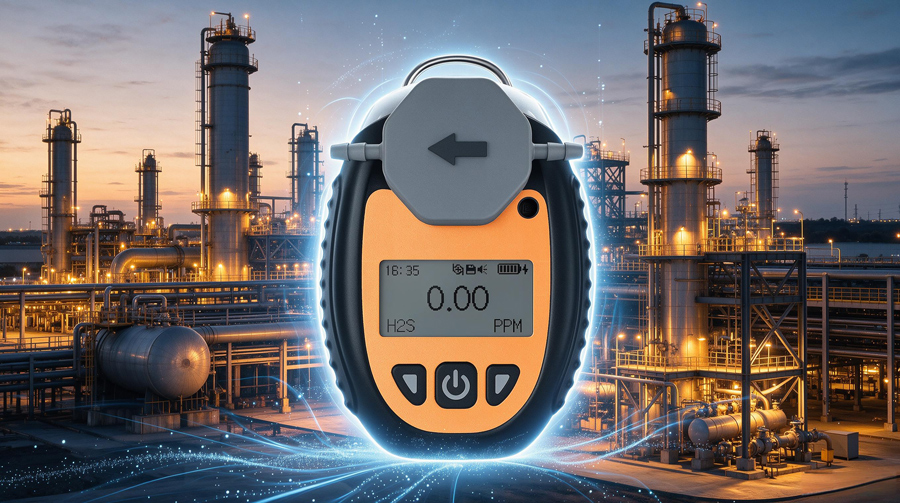
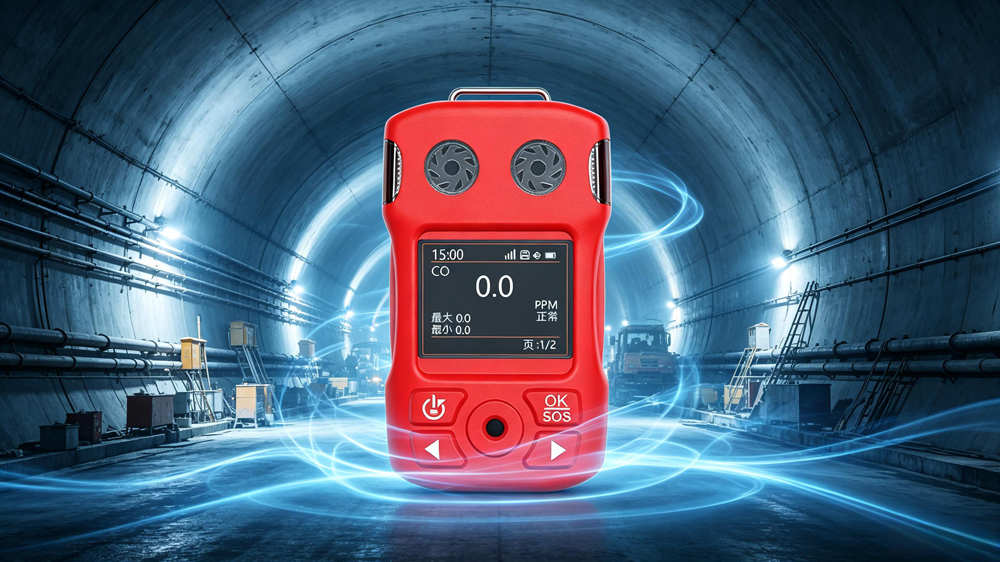
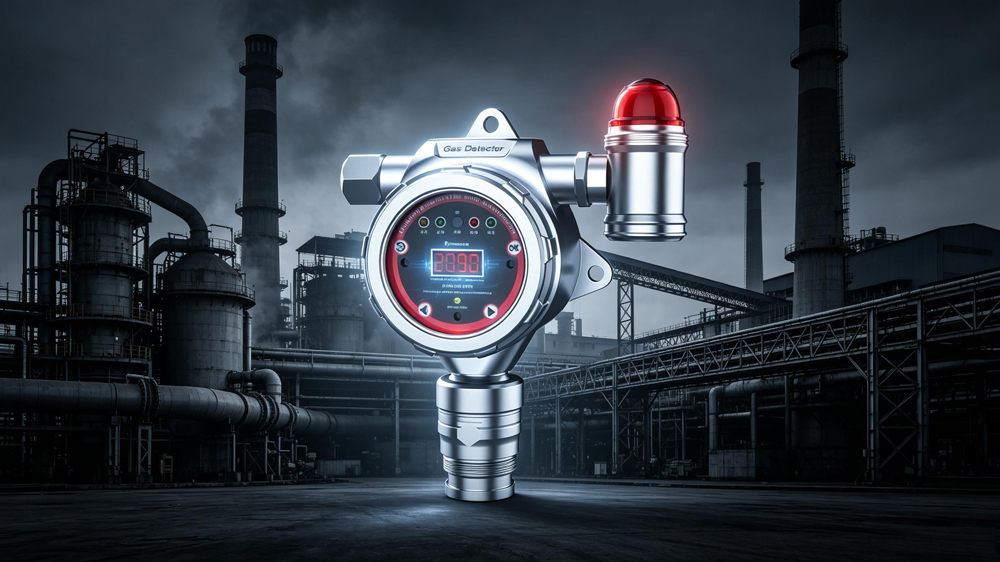
Publication Date:2021/07/27 Carbon monoxide detector is the 1 gas detector that can continuously detect the concentration of toxic gases, oxygen, flammable and explosive gases, and observe the gas concentration value at any time. It is precisely because of its unique advantages that it has applications in many fields. So do you know what the carbon monoxide detector is used? The following is an introduction by Yi Yuntian:

application field of carbon monoxide detector:
1. Chemical industry:
The production of synthetic ammonia, acetone, phosgene, and methanol in the chemical industry must be equipped with a carbon monoxide detector and a carbon monoxide alarm.
2. Coal mining industry:
Rock roadway blasting, coal roadway blasting, coal drilling, hydraulic coal mining, mechanical coal mining, coal mining loading, coal mining support, underground ventilation.
3. Pharmaceutical industry:
Because many materials and intermediates are flammable, explosive or toxic chemicals, assimilation plants need to monitor the leakage of toxic, harmful or flammable and explosive gases in the pharmaceutical process.
4. Food industry:
ClO22, CO2, O2 and other gases need to be used in sterilization, preservation and other processes. in these processes, corresponding fixed gas detectors should be used to detect the concentration of these gases, and process control or leakage monitoring should be carried out.
5. Parking environment monitoring:
When the car is not turned off in the parking lot, it will produce a large amount of toxic and harmful carbon monoxide gas. Once the sensor detects that the current carbon monoxide content exceeds the standard, it will automatically turn on the ventilation equipment to ensure the ventilation and personnel safety in the parking lot.
6. Organic chemical raw material manufacturing:
hydrocarbon feedstock cracking, cracking gas quenching, cracking gas purification, isoprene synthesis, methanol synthesis, methanol carbonylation, oxo synthesis, propionaldehyde synthesis, dimethylformamide synthesis, carbon monoxide chlorination.
In summary, carbon monoxide detectors are often applied to some areas, in addition to these major areas, carbon monoxide detector can also be widely used in petroleum, chemical, coal, metallurgy, paper, fire, municipal, telecommunications, food, textile and other industries.In addition to traditional applications, carbon monoxide detectors have also begun to be used in updated needs, such as smart homes and fire safety in intensive public places. It is worth noting that in the intelligent security system, carbon monoxide detector has become one of the instruments.
Related information
-
How to Calibrate a Portable four-in-one Gas Detectors?
Portable four-in-one gas detectors are core protective equipment in the industrial safety field. However, sensors can experience z...
2026-09-18 -
What are the application scenarios for portable four-in-one gas detectors?
Portable four-in-one gas detectors typically monitor oxygen (O₂), flammable gas (LEL), carbon monoxide (CO), and hydrogen sulfide...
2026-09-16 -
Portable four-in-one Gas Detectors User Manual
The portable four-in-one gas detectors is a core piece of personal protective equipment (PPE) for ensuring the safety of personnel...
2026-09-14 -

Calibration Specifications for Ammonia gas Detectors
Calibration of ammonia gas detectors is a core step in ensuring their measurement accuracy and alarm reliability. However, ammonia...
2026-09-11 -
What is the appropriate installation height for an ammonia gas detectors?
Ammonia (NH₃) has a relative density of only 0.59, much lighter than air. This means that in the event of a leak, the gas will qu...
2026-09-09
 info@eranntexgas.com sale1@eranntexgas.com


 15914124845