
Precautions for use of nitrogen oxide detector
Publication Date:2021/09/22 In fact, in our daily life, nitrogen oxides are very common. Nitrogen oxides are mainly composed of two elements, nitrogen and oxygen, such as nitric oxide, nitrogen dioxide, nitrogen trioxide, etc. Such as acid rain, smog, these actually have a close relationship with nitrogen oxide emissions. The nitrogen oxide detector is applied to the gas concentration detection of nitrogen oxides and the 1 gas detector that the nitrogen oxide concentration exceeds the standard alarm, which can accurately detect the concentration of nitrogen oxides and realize effective monitoring of nitrogen oxide emissions, thereby reducing Accidents occur. So do you know what are the precautions for using NOx detector ? The following is a brief introduction by yi yun Tian:

Precautions for use of nitrogen oxide detector:
1. the operating environment of the nitrogen oxide detector must be normal temperature, normal humidity and normal pressure. Excessive temperature and high humidity will damage the instrument.
2. Prevent the nitrogen oxide detector from falling from a height or from severe vibration.
3. please operate and use in strict accordance with the instructions, otherwise the test results may not be found or the instrument may be damaged.
4. Do not store the nitrogen oxide detector in an environment containing corrosive gases.
5. If there is dirt on the surface after long-term use, please wipe it gently with a clean soft cloth dipped in water. Do not wipe the instrument with corrosive and hard objects, otherwise the surface of the instrument may be scratched or damaged.
6. Avoid using gas shock sensors that are higher than the measurement range. This may damage the sensor. Artificial damage is not covered by the warranty.
7. If it is off when charging.
8. the nitrogen oxide detector should be used under the specified conditions. it is strictly prohibited for oil and particulate matter to enter the pipeline to avoid pipeline blockage or instrument sensor pollution.
In summary, it is the precautions for the use of the nitrogen oxide detector. In the process of use, in order to effectively ensure the accuracy of the nitrogen oxide detector measurement, we need every 6 months or 1 Regularly calibrate the nitrogen oxide detector every year, especially for the gas sensor of the nitrogen oxide detector that has exceeded the validity period and the faulty nitrogen oxide detector should be replaced immediately.
Related information
-
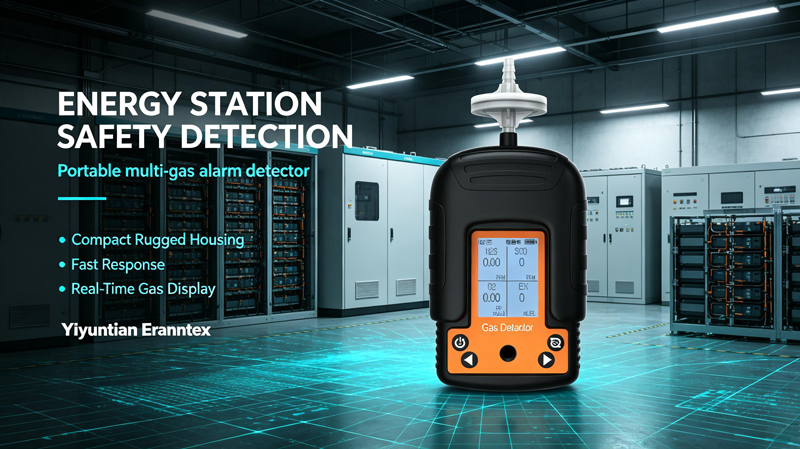
How to Calibrate a Portable four-in-one Gas Detectors?
Portable four-in-one gas detectors are core protective equipment in the industrial safety field. However, sensors can experience z...
2026-09-18 -
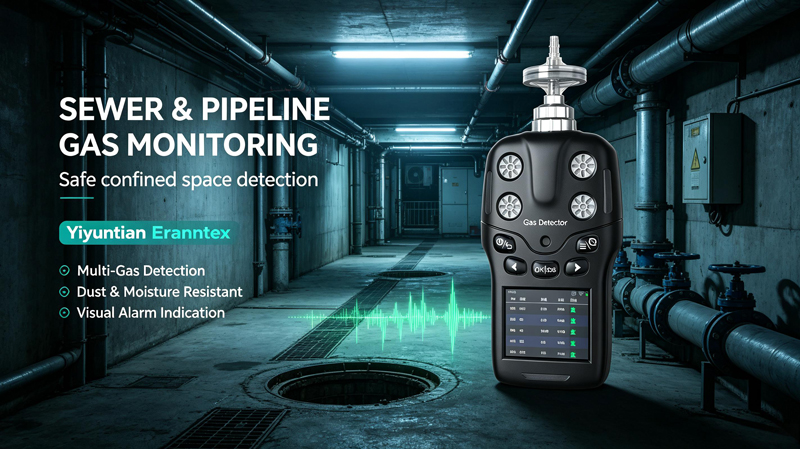
What are the application scenarios for portable four-in-one gas detectors?
Portable four-in-one gas detectors typically monitor oxygen (O₂), flammable gas (LEL), carbon monoxide (CO), and hydrogen sulfide...
2026-09-16 -

Portable four-in-one Gas Detectors User Manual
The portable four-in-one gas detectors is a core piece of personal protective equipment (PPE) for ensuring the safety of personnel...
2026-09-14 -

Calibration Specifications for Ammonia gas Detectors
Calibration of ammonia gas detectors is a core step in ensuring their measurement accuracy and alarm reliability. However, ammonia...
2026-09-11 -
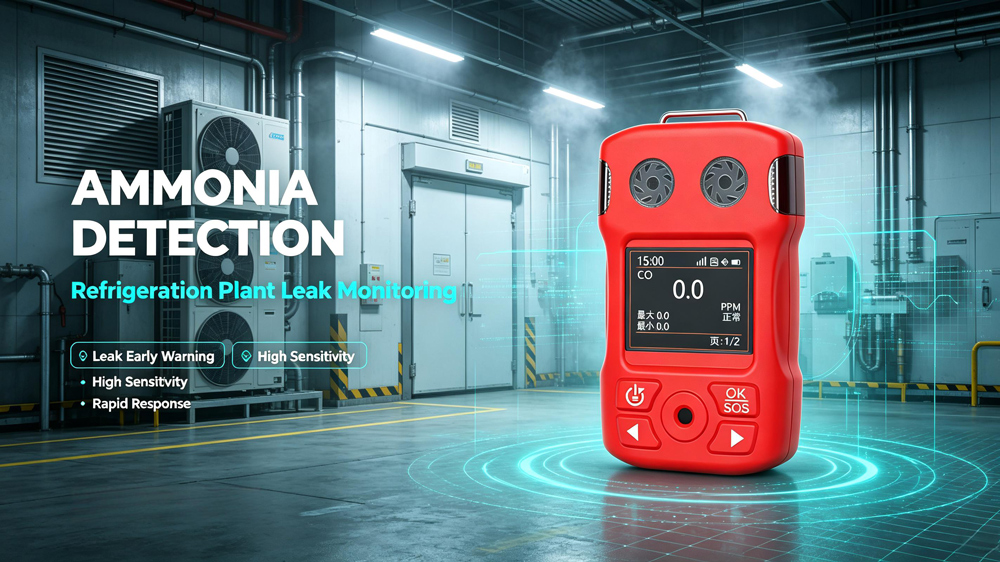
What is the appropriate installation height for an ammonia gas detectors?
Ammonia (NH₃) has a relative density of only 0.59, much lighter than air. This means that in the event of a leak, the gas will qu...
2026-09-09


 info@eranntexgas.com sale1@eranntexgas.com


 15914124845