
The working principle of oxygen detector
Publication Date:2021/12/06 Oxygen is the 1 gas that everyone is very familiar with in daily life, but oxygen also needs to use an oxygen detector to monitor the oxygen content in the air, otherwise if the oxygen content in the air is too high or too small, it may be life-threatening. Therefore, the main function of the oxygen detector is to effectively detect the oxygen concentration on the site, avoid hypoxia or oxygen enrichment, and cause health damage to the staff on the site. So do you know how the oxygen detector works? The following is an introduction by Yi Yuntian:

How the oxygen detector works:
Oxygen detection is very necessary, especially in the industrial industry, for its detection, we need to use oxygen detector. It is necessary to use an oxygen detector. The oxygen concentration in the normal environment is 20.9 VOL. When the concentration is less than 19.5 VOL, it will be hypoxic. When hypoxic, it is harmful to the human body and consciousness will also be affected. When the oxygen concentration is too high, the risk of combustion or explosion will be much higher.
The working principle of the oxygen detector is when the fuel cell sensor is composed of highly active oxygen electrode and lead electrode, immersed in KOH solution. At the cathode oxygen is reduced to hydroxide ions, while at the anode lead is oxidized. The KOH solution is separated from the outside by a layer of polymer film, and the sample gas does not directly enter the sensor, so the solution and the lead electrode do not need to be cleaned or replaced regularly.
oxygen molecules in the sample gas diffuse to the oxygen electrode through the polymer film for electrochemical reaction. the current generated in the electrochemical reaction depends on the number of oxygen molecules diffused to the oxygen electrode, and the diffusion rate of oxygen is proportional to the oxygen content in the sample gas, so that, the output signal of the sensor is only related to the oxygen content in the sample gas, and has nothing to do with the total amount of gas passing through the sensor. Through the connection of the external circuit, the charge transfer in the reaction, that is, the size of the current, is directly proportional to the oxygen participating in the reaction.
In summary, it is the working principle of the oxygen detector. It is precisely because of the uniqueness of the oxygen detector itself that it is widely used in agriculture, chemical industry, gas detection, general industry, manufacturing, mining, hazardous raw materials, oil, gas, paper and pulp, warehouses, water/Sewage treatment and other places.
Related information
-
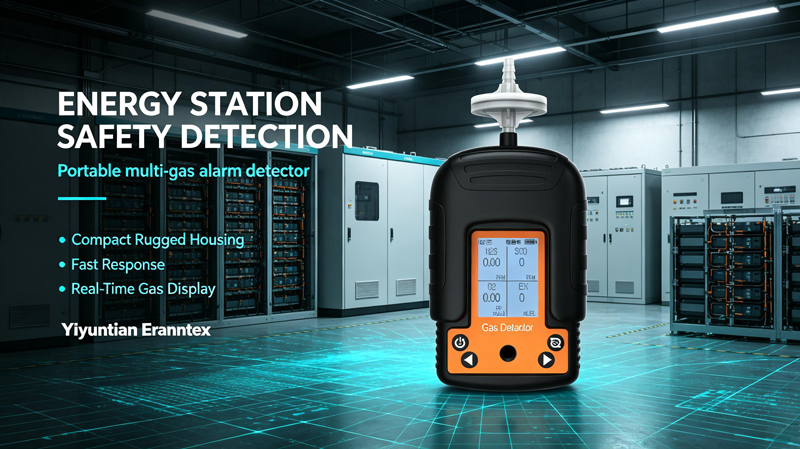
How to Calibrate a Portable four-in-one Gas Detectors?
Portable four-in-one gas detectors are core protective equipment in the industrial safety field. However, sensors can experience z...
2026-09-18 -
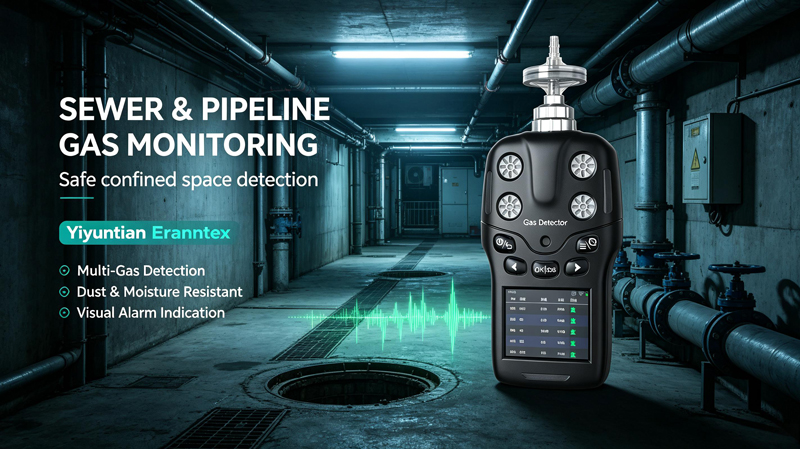
What are the application scenarios for portable four-in-one gas detectors?
Portable four-in-one gas detectors typically monitor oxygen (O₂), flammable gas (LEL), carbon monoxide (CO), and hydrogen sulfide...
2026-09-16 -

Portable four-in-one Gas Detectors User Manual
The portable four-in-one gas detectors is a core piece of personal protective equipment (PPE) for ensuring the safety of personnel...
2026-09-14 -

Calibration Specifications for Ammonia gas Detectors
Calibration of ammonia gas detectors is a core step in ensuring their measurement accuracy and alarm reliability. However, ammonia...
2026-09-11 -
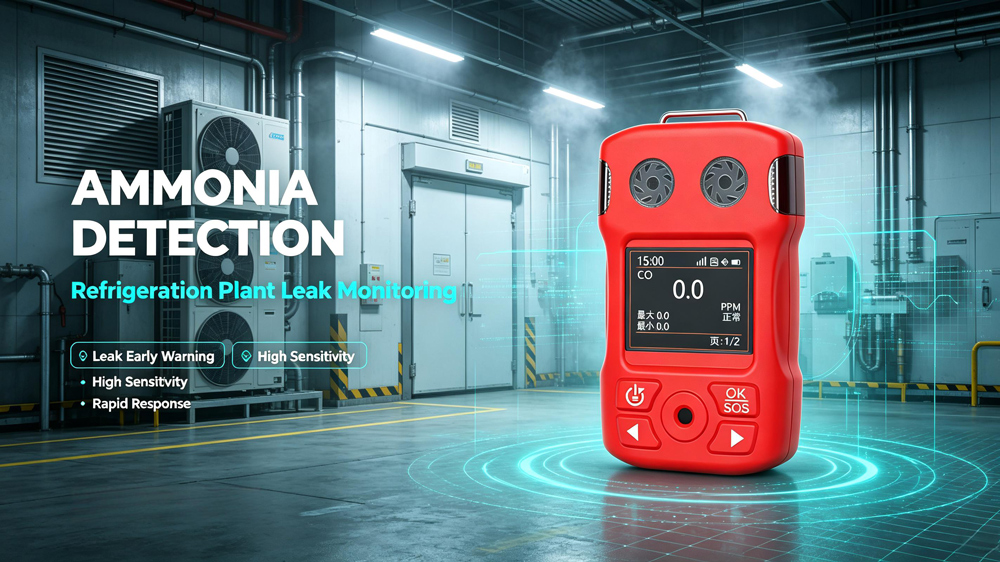
What is the appropriate installation height for an ammonia gas detectors?
Ammonia (NH₃) has a relative density of only 0.59, much lighter than air. This means that in the event of a leak, the gas will qu...
2026-09-09





 info@eranntexgas.com sale1@eranntexgas.com


 15914124845