
Test Procedure of Oxygen Detector
Publication Date:2021/12/07 In the industrial production environment, the detection of oxygen is very necessary. The oxygen detector is the 1 gas detector used to detect the oxygen concentration in the environment. It is often used in various enclosed spaces. It can simply and quickly detect the oxygen concentration in the environment when in use, so that our personal safety can be more effectively guaranteed. However, in the use of oxygen detector, its detection program is a very important aspect. What are the aspects of the Oxygen Detector test procedure? The following is an introduction by Yi Yuntian:

Oxygen Detector Test Procedure:
1. Access detection:
initial test: first open the door (or window) of the confined space, or use the existing inlet and outlet to extend the sampling tube of the oxygen detector into the space 1m for detection.According to the measurement data, feel the follow-up measures.
detection: extend the sampling tube to the detection point inside the confined space for routine detection. the detection time at each point is required to be greater than the response time of the instrument (including combustible and toxic gas alarms) (the time for extending the sampling tube should be increased).
In general, at least three types of gases (oxygen, combustible gas and toxic gas) are required to be detected according to procedures at each detection point. Each gas is subjected to the same detection three times, and the high value of the detection data of the oxygen detector is used for evaluation. If a gas exceeds the standard, the confined space is considered to exceed the standard. If the detection value is found to exceed the standard, the instrument should be separated from the sampling tube immediately to prevent damage to the sensor. At the end of the test, the instrument (including compound and single gas detector) should be zeroed in fresh air.
2. Monitoring test:
: when continuous automatic detection or timing detection, the detection point is set at the breathing belt of the operator.
Alarm setting: Set the alarm point according to the protection level, and the oxygen detector will send an alarm when detecting that the oxygen concentration is higher than the alarm point.
accident detection: according to the needs of the accident site, determine the detection points and detect toxic and harmful gases, and carry out real-time detection until the concentration of toxic and harmful gases in the air is lower than the allowable concentration or the allowable concentration for short-term contact.
In summary, this is the test procedure of the oxygen detector. The detection procedure of the oxygen detector is usually divided into 3 steps: oxygen measurement → explosion measurement → poison measurement. The compound oxygen detector and portable gas chromatography can be used, which can better facilitate the smooth progress of the detection work of the oxygen detector.
Related information
-
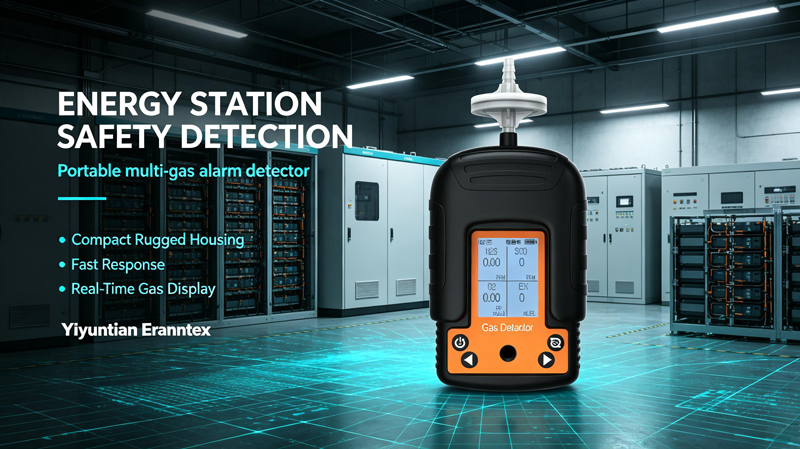
How to Calibrate a Portable four-in-one Gas Detectors?
Portable four-in-one gas detectors are core protective equipment in the industrial safety field. However, sensors can experience z...
2026-09-18 -
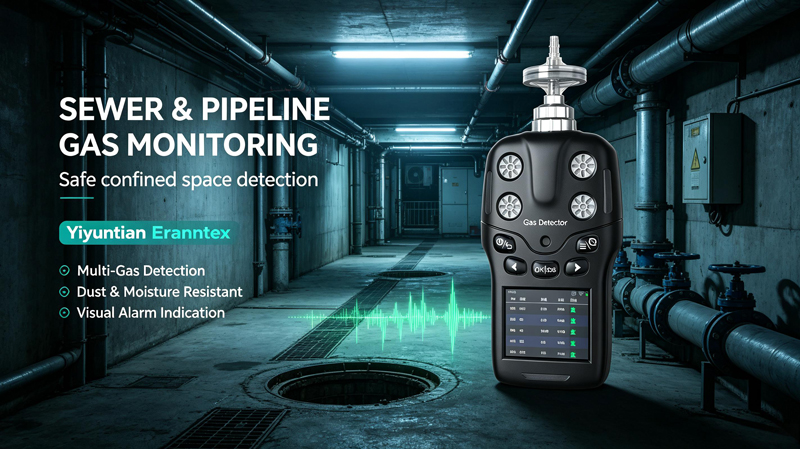
What are the application scenarios for portable four-in-one gas detectors?
Portable four-in-one gas detectors typically monitor oxygen (O₂), flammable gas (LEL), carbon monoxide (CO), and hydrogen sulfide...
2026-09-16 -

Portable four-in-one Gas Detectors User Manual
The portable four-in-one gas detectors is a core piece of personal protective equipment (PPE) for ensuring the safety of personnel...
2026-09-14 -

Calibration Specifications for Ammonia gas Detectors
Calibration of ammonia gas detectors is a core step in ensuring their measurement accuracy and alarm reliability. However, ammonia...
2026-09-11 -
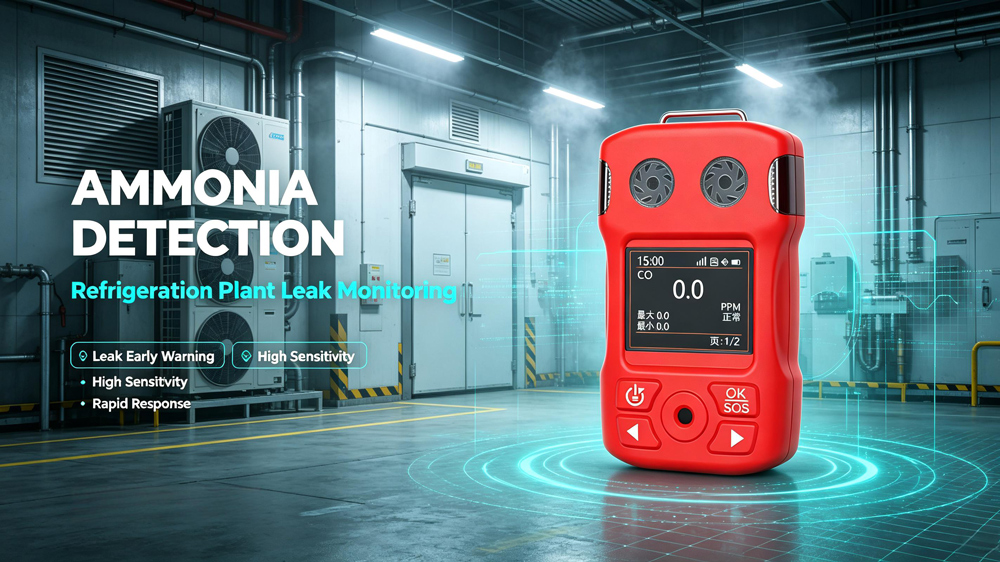
What is the appropriate installation height for an ammonia gas detectors?
Ammonia (NH₃) has a relative density of only 0.59, much lighter than air. This means that in the event of a leak, the gas will qu...
2026-09-09




 info@eranntexgas.com sale1@eranntexgas.com


 15914124845