
[Carbon monoxide detector] Carbon monoxide detector function and working principle
Publication Date:2022/04/25The function and working principle of carbon monoxide detector Carbon monoxide is the 1 colorless, odorless and toxic gas, which takes away 430 every year Many people's lives. It is a by-product of burning carbon fuels, such as natural gas in stoves and gasoline in cars. Even small doses of carbon monoxide can cause permanent damage or death.
What is carbon monoxide?
Carbon monoxide gas is 1 simple molecule: part carbon, part oxygen. Carbon monoxide occurs when carbon fuels (such as wood, gasoline, coal, propane, natural gas, and heating oil) do not burn completely (incomplete combustion).
When you burn them in a well-ventilated open area, these energy sources are not dangerous. But carbon monoxide is dangerous in confined spaces such as basements, kitchens, garages, or campers.
It is difficult to detect carbon monoxide without a sensor, which is one of the reasons why it is so dangerous.
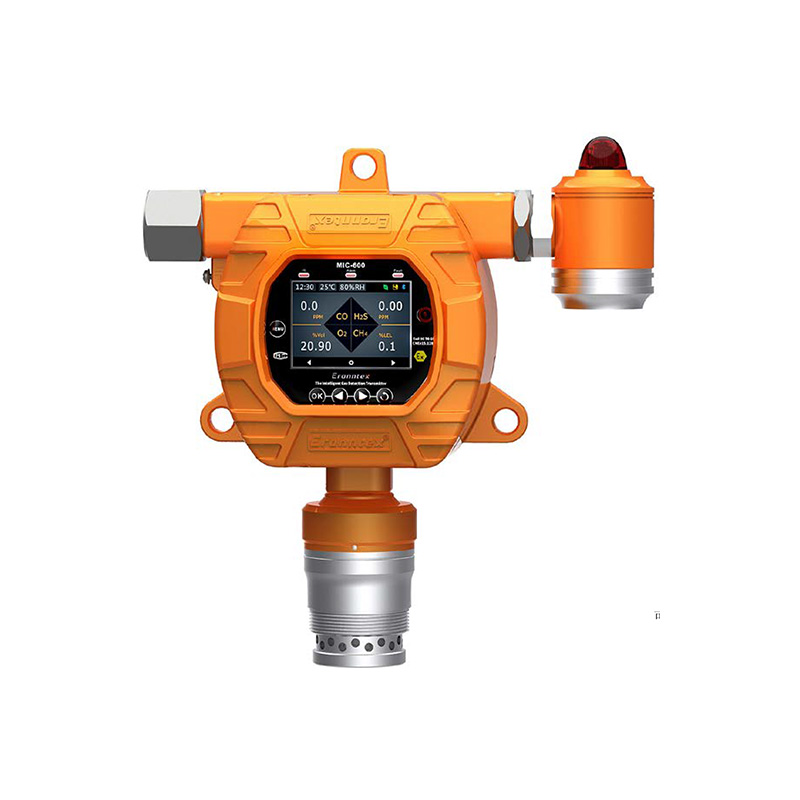
why is carbon monoxide dangerous?
Carbon monoxide is deadly because it binds to your red blood cells and puts your body without oxygen after entering your lungs.
These are the early symptoms of carbon monoxide poisoning:
Headache, nausea, vomiting, dizziness, shortness of breath, fatigue
Perhaps most disturbing is the similarity to easily overlooked cold or flu-like symptoms-shortness of breath, nausea, and mild headaches. When carbon monoxide levels reach 150 parts per million (ppm) Disorientation and loss of consciousness may occur. Eventually, the symptoms become fatal without treatment.
How to prevent carbon monoxide poisoning?
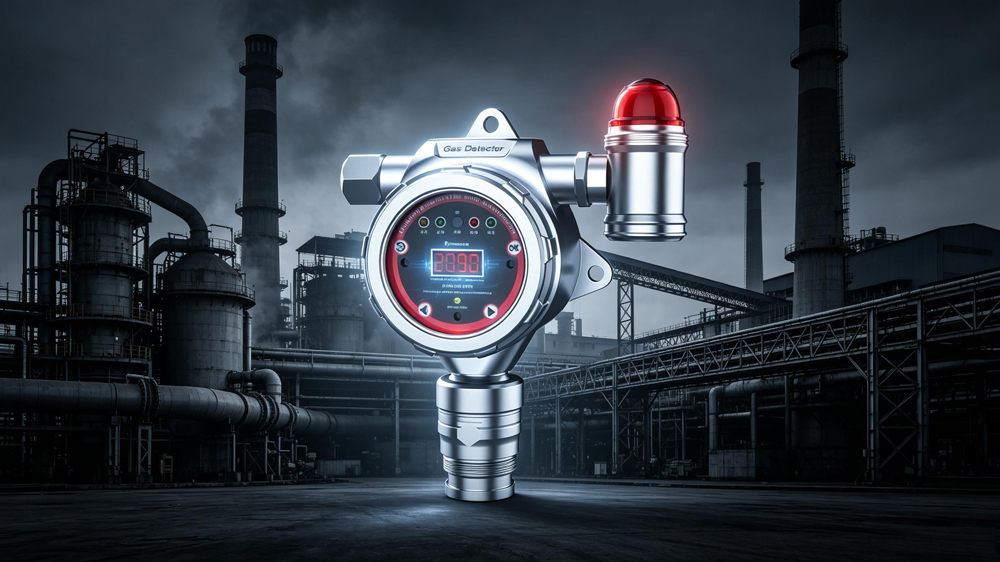
Carbon monoxide poisoning is a 1 serious risk, but fortunately, it can be prevented. The installation of carbon monoxide detector can detect the concentration of carbon monoxide.
What is the working principle of the carbon monoxide detector?
When the carbon monoxide detector detects a certain amount of carbon monoxide over time, they will issue an alarm. Different sensors will trigger different types of alarms:
Biomimetic sensor: The gel changes color when it absorbs carbon monoxide, and this color change will trigger an alarm.
Metal oxide semiconductor: When the circuit of the silicon dioxide chip detects carbon monoxide, it will reduce the resistance, and this change will trigger an alarm.
Electrochemical sensor: When the electrode in the chemical solution comes into contact with carbon monoxide, it will sense a change in current, which will trigger an alarm.
Once the carbon monoxide detector alarm sounds, it must be in a carbon monoxide-free environment to silence the alarm.
the function and working principle of the carbon monoxide detector have been told to everyone. friends who need to know carbon monoxide detector can come to yiyuntian for consultation and understanding. we have professional personnel to answer your questions.
Related information
-
How to Calibrate a Portable four-in-one Gas Detectors?
Portable four-in-one gas detectors are core protective equipment in the industrial safety field. However, sensors can experience z...
2026-09-18 -
What are the application scenarios for portable four-in-one gas detectors?
Portable four-in-one gas detectors typically monitor oxygen (O₂), flammable gas (LEL), carbon monoxide (CO), and hydrogen sulfide...
2026-09-16 -

Portable four-in-one Gas Detectors User Manual
The portable four-in-one gas detectors is a core piece of personal protective equipment (PPE) for ensuring the safety of personnel...
2026-09-14 -

Calibration Specifications for Ammonia gas Detectors
Calibration of ammonia gas detectors is a core step in ensuring their measurement accuracy and alarm reliability. However, ammonia...
2026-09-11 -
What is the appropriate installation height for an ammonia gas detectors?
Ammonia (NH₃) has a relative density of only 0.59, much lighter than air. This means that in the event of a leak, the gas will qu...
2026-09-09


 info@eranntexgas.com sale1@eranntexgas.com


 15914124845