
What are the common units of gas alarm?
Publication Date:2022/09/06 all friends who have come into contact with gas alarms are familiar with the units of ppm,vol,lel,mg/m3. however, for those who have just come into contact with this industry, it is difficult to understand and distinguish these common units of gas alarms. So do you know what gas alarms are commonly used units? What do they represent? The following is a brief introduction by yi yun Tian:

Gas Alarm Common Unit Meaning Description:
1. PPM:
The volume concentration unit of gas, which means the volume of parts per million, is the common concentration unit of low concentration gas alarm.
2. VOL:
and PPM have the same meaning, that is, the volume content share of gas (expressed as volume percent), which is generally used to express high concentration, 1% VOL= 10000PPM.
3. LEL:
the lower explosion limit unit of gas. when the concentration of combustible gas reaches 100 LEL, it will explode when encountering electric spark. the lower explosion limit of different combustible gases is different, for example, hydrogen 4% VOL = 100 LEL, methane 5%VOL = 100%LEL.
4. mg/m3:
the mass concentration unit of gas indicates the mass or weight of a certain gas contained in each cubic space, and there is a conversion formula between mg/m3 and PPM.
5, PPM and mg/m3 unit conversion:
Conversion between PPM and mg/m3 (PPM = 22.4 times mg/m3, divided by the relative molecular weight of the gas):
ppm = mg/m3 × 22.4 ÷ gas relative molecular weight
Note: the relative molecular weights of different gases are different.
6:
in general, ppm is used for more accurate measurement. LEL is used to measure explosions. The order of magnitude of VOL is the large unit 3 them. Let's take an example: for example, the lower explosive limit of methane is 5% VOL, so methane gas with 10% LEL has the following corresponding relationship: 10%LEL = 5000ppm = 0.5%VOL. We often see the concept of F.S in the gas alarm manual, which refers to the full scale. Such as & lt;5% F.S means that the large display error of the full range is 5% of the full scale.
to sum up, it is some unit meanings commonly used by gas alarms. of course, it also includes other more units and terms. if you want to know more about gas alarms, welcome to Yiyuntian for consultation and understanding. We have professional personnel to answer your questions.
Related information
-
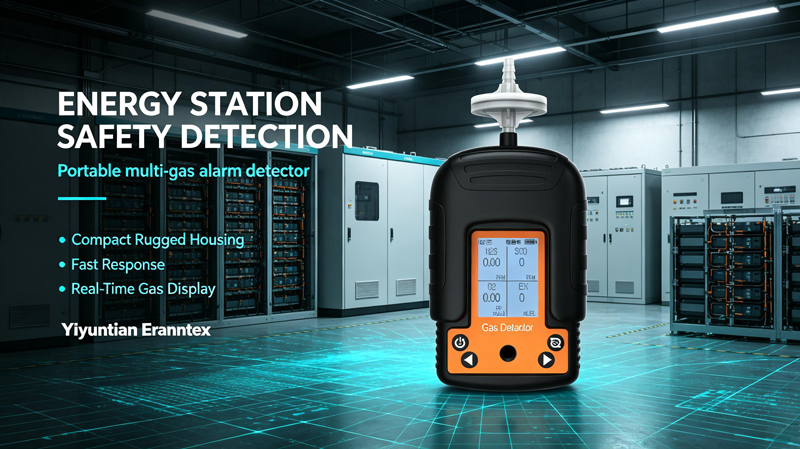
How to Calibrate a Portable four-in-one Gas Detectors?
Portable four-in-one gas detectors are core protective equipment in the industrial safety field. However, sensors can experience z...
2026-09-18 -
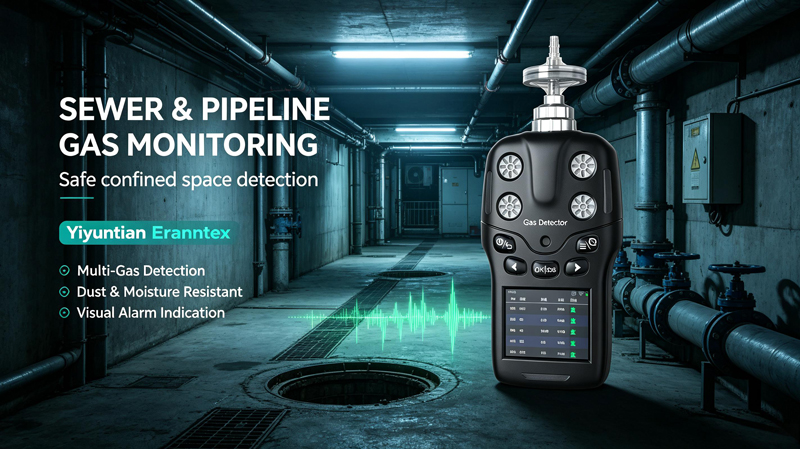
What are the application scenarios for portable four-in-one gas detectors?
Portable four-in-one gas detectors typically monitor oxygen (O₂), flammable gas (LEL), carbon monoxide (CO), and hydrogen sulfide...
2026-09-16 -
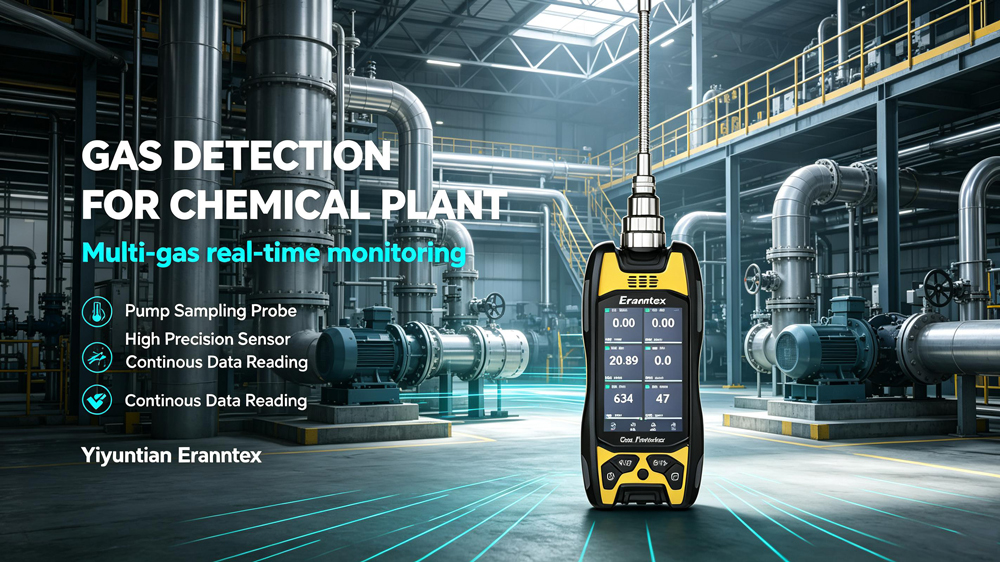
Portable four-in-one Gas Detectors User Manual
The portable four-in-one gas detectors is a core piece of personal protective equipment (PPE) for ensuring the safety of personnel...
2026-09-14 -

Calibration Specifications for Ammonia gas Detectors
Calibration of ammonia gas detectors is a core step in ensuring their measurement accuracy and alarm reliability. However, ammonia...
2026-09-11 -
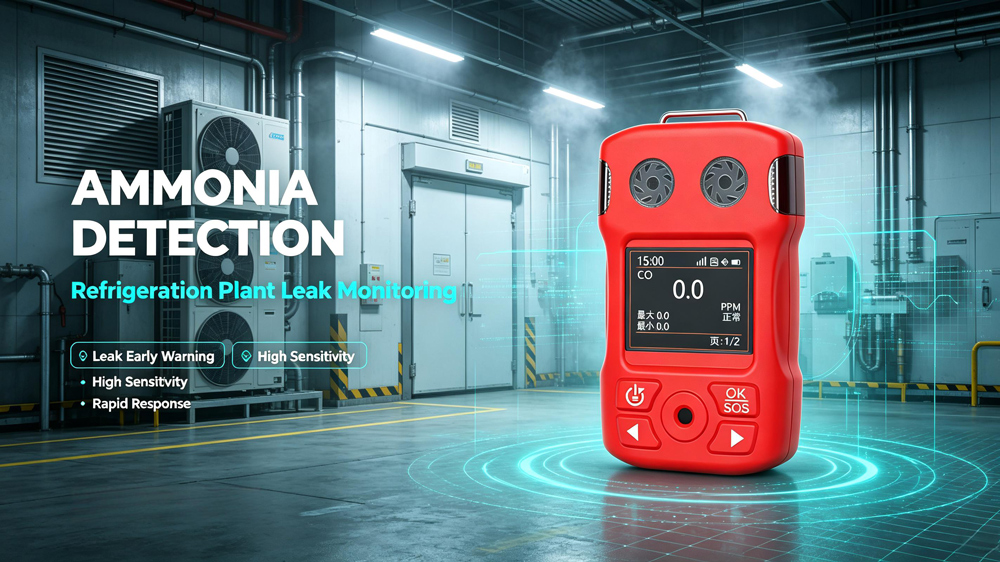
What is the appropriate installation height for an ammonia gas detectors?
Ammonia (NH₃) has a relative density of only 0.59, much lighter than air. This means that in the event of a leak, the gas will qu...
2026-09-09
 info@eranntexgas.com sale1@eranntexgas.com


 15914124845