
Is the combustible gas alarm suitable for all combustible gas detection?
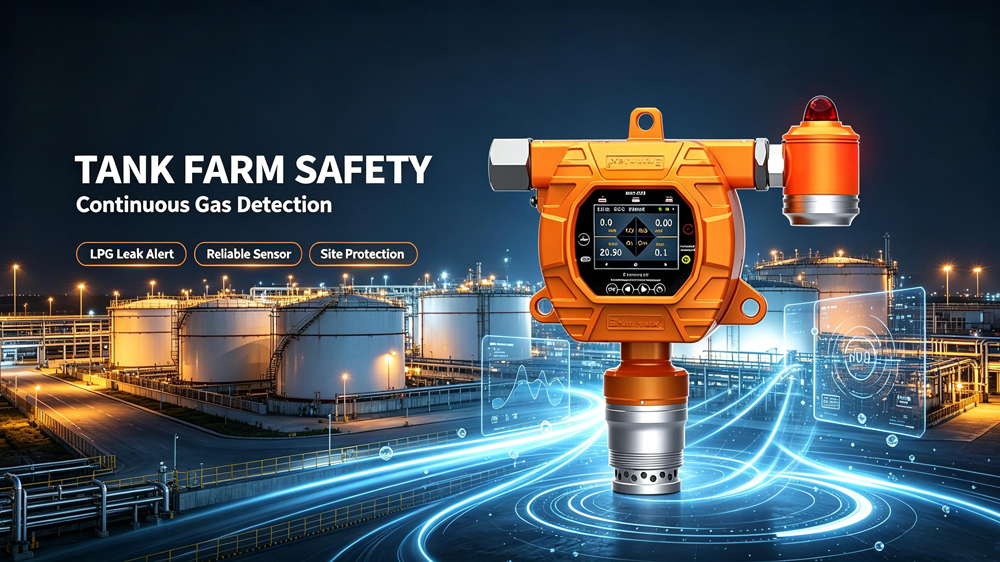
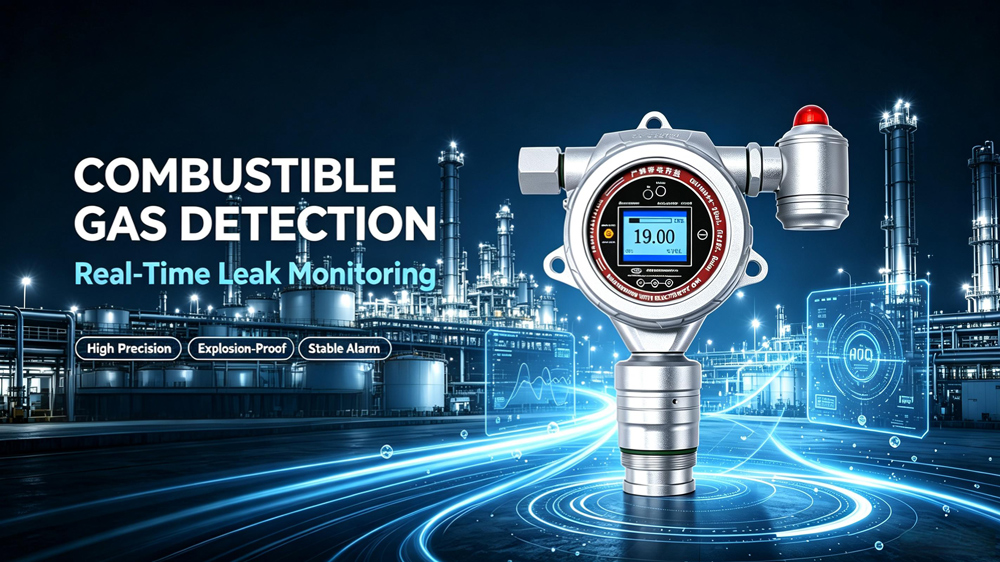
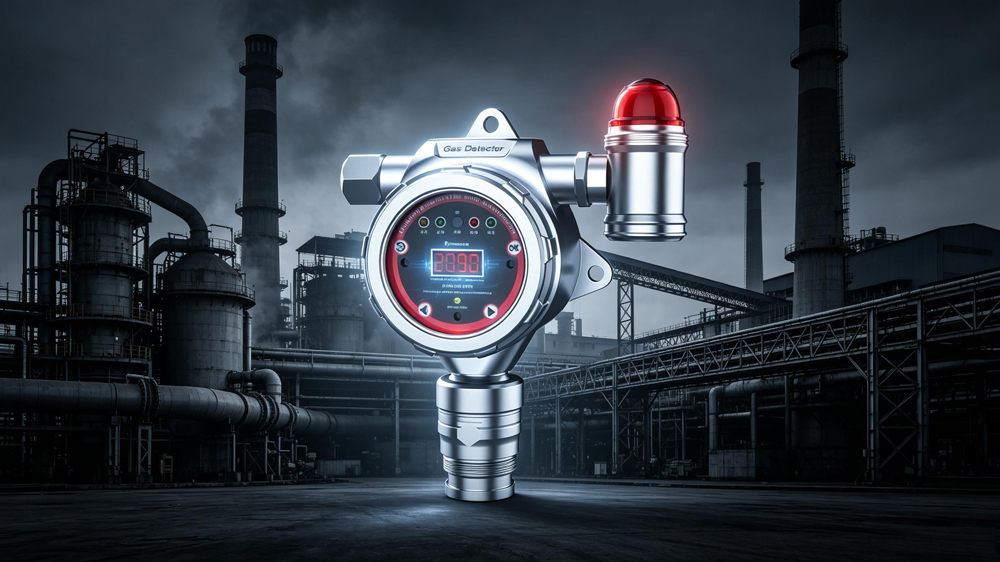
Publication Date:2023/03/06Chemical plants, oil, gas stations, steel plants and other places where combustible gas is used or produced are often inseparable from the application of combustible gas alarms. Combustible gas alarm can be used to measure the concentration of various combustible gases in the air below the lower explosive limit. When the concentration of combustible gas exceeds the alarm concentration (usually 25% of the lower explosive limit concentration), the combustible gas alarm will alarm to remind us to take measures to avoid dangerous accidents. Then Combustible Gas Alarm for all combustible gas detection? The following Yi Yuntian Xiaobian for you to introduce:

Liquefied petroleum gas, also known as liquefied petroleum gas, is a by-product obtained by refineries during catalytic cracking and thermal cracking of crude oil. The main components of the product are: propane and butane. The main component of natural gas is methane. Analysis of the main components of liquefied petroleum gas produced by catalytic cracking: propane accounts for 16%-20%; Butane accounts for 42%-46%; Methane accounts for 10%; Ethane accounts for 3%-5%; Propylene accounts for 6%-11%; Butene accounts for 5%-6%; Hydrogen accounts for 5%-6%.
natural gas is also called oil field gas. its main component is methane (accounting for about 90%), and it also contains a small amount of ethane, butane, pentane, CO2, CO, H2S and other toxic, flammable and explosive gases.Through the above analysis, we can see that liquefied gas contains 10% methane and natural gas contains 90% methane. The two gases are very different in composition.
Therefore, in the gas security industry, combustible gas detectors are calibrated with methane standard gas, while liquefied gas detectors, as ordinary combustible gas, use isobutane standard gas. The lower explosive limit of methane is 5% VOL, and the lower explosive limit of isobutane is 1.8 VOL. From the lower explosion limit of standard gas, it can be concluded that the accuracy of measuring natural gas with liquefied gas alarm is not high.
Common combustible gases that can be detected by combustible gas alarms are divided into: natural gas (methane CH4), liquefied gas (propane C3H8), hydrogen (H2), methanol (CH3OH), ethanol (C2H5OH), toluene, acetylene, ethylene, acetone, ethylene oxide, ethyl acetate, isopropanol, methyl ethyl ketone, n-butane, n-heptane, n-hexane, n-pentane, propane, n-octane, styrene, carbon monoxide, etc., check the total number of dozens of species. Therefore, the combustible gas alarm is not applicable to all combustible gases for gas detection, but needs to be determined according to the detected gas.
To sum up, we can see that the combustible gas alarm is not suitable for all combustible gas detection, but needs to be selected according to the specific site required combustible gas type detection. Therefore, we only need to choose the appropriate gas type of combustible gas alarm according to the actual situation.
Related information
-
How to Calibrate a Portable four-in-one Gas Detectors?
Portable four-in-one gas detectors are core protective equipment in the industrial safety field. However, sensors can experience z...
2026-09-18 -
What are the application scenarios for portable four-in-one gas detectors?
Portable four-in-one gas detectors typically monitor oxygen (O₂), flammable gas (LEL), carbon monoxide (CO), and hydrogen sulfide...
2026-09-16 -

Portable four-in-one Gas Detectors User Manual
The portable four-in-one gas detectors is a core piece of personal protective equipment (PPE) for ensuring the safety of personnel...
2026-09-14 -

Calibration Specifications for Ammonia gas Detectors
Calibration of ammonia gas detectors is a core step in ensuring their measurement accuracy and alarm reliability. However, ammonia...
2026-09-11 -
What is the appropriate installation height for an ammonia gas detectors?
Ammonia (NH₃) has a relative density of only 0.59, much lighter than air. This means that in the event of a leak, the gas will qu...
2026-09-09

 info@eranntexgas.com sale1@eranntexgas.com


 15914124845