
How to conduct independent investigation when combustible gas alarm fails?
Publication Date:2023/04/12 in the process of using combustible gas alarm, sometimes it is inevitable that some minor faults will occur due to various reasons, such as false alarm, alarm not displayed, large display concentration value, concentration indication not returning to zero, etc. when these situations occur, in fact, we can carry out independent investigation and solve the problem. Do you know how to troubleshoot the failure of combustible gas alarm ? The following is a brief introduction by yi yun Tian:

<> Combustible gas alarm failure self-troubleshooting methods:
False Alarm 1. Combustible Gas Alarm
Reason: combustible gas alarm aging.
Solution: Re-calibrate and replace the alarm with a new one.
2. combustible gas alarm does not display
: abnormal power supply voltage; water in the water meter; circuit board failure.
Solution: Check the fuse and wiring; Clean the circuit board and dry it, and replace the circuit board if necessary.
3. combustible gas alarm display concentration value is too large
<: when the combustible gas alarm is calibrated, the standard gas concentration does not meet the requirements, and the sensor is aging.
Solution: Use qualified standard gas for calibration and replace with a new combustible gas alarm.
4. Combustible Gas Alarm Concentration Indication Not Zero
Solution: Calibrate the zero point in clean air; Remove the probe shield and clean the probe dust; Replace the probe or instrument.
Large deviation of measured concentration display value of 5. combustible gas alarm
Cause analysis: the sample gas concentration during calibration does not meet the requirements; the sensor range setting is incorrect; the sensor is aging.
Solution: Re-calibrate with qualified sample gas; Reset the sensor range; Replace with a new sensor.
To sum up, this is the method for autonomous troubleshooting of combustible gas alarm failure. When we encounter some small faults in the combustible gas alarm, we should pay attention to analyze the causes and solve the root causes. Only in this way can it be better to ensure that the combustible gas alarm can be maintained in a normal and stable state of use.
Related information
-
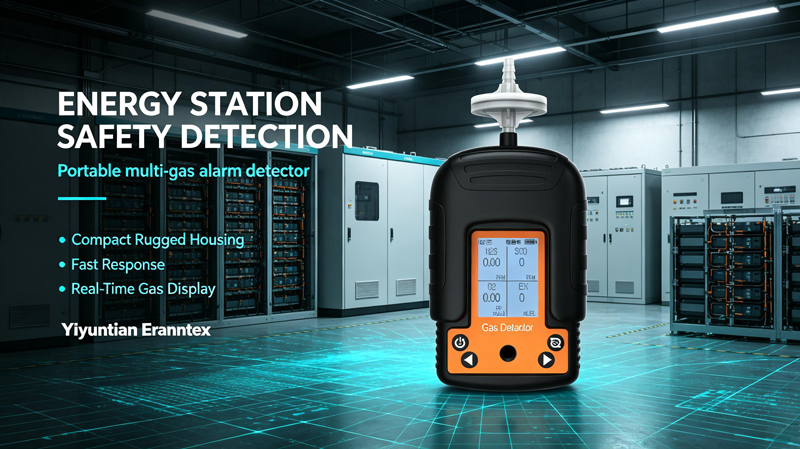
How to Calibrate a Portable four-in-one Gas Detectors?
Portable four-in-one gas detectors are core protective equipment in the industrial safety field. However, sensors can experience z...
2026-09-18 -
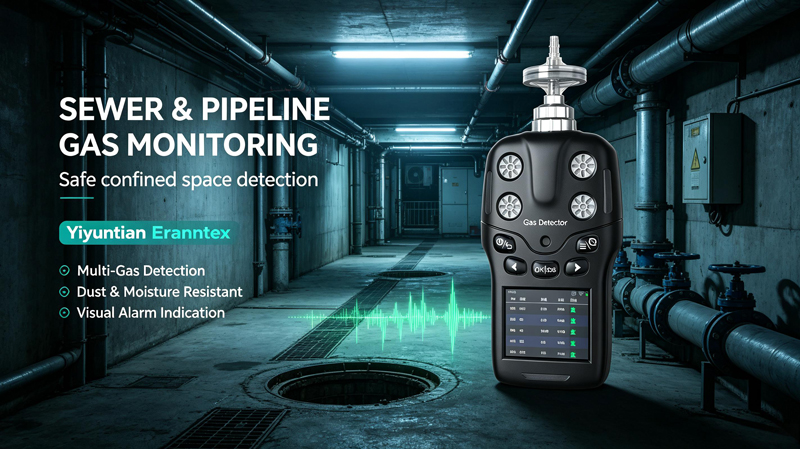
What are the application scenarios for portable four-in-one gas detectors?
Portable four-in-one gas detectors typically monitor oxygen (O₂), flammable gas (LEL), carbon monoxide (CO), and hydrogen sulfide...
2026-09-16 -
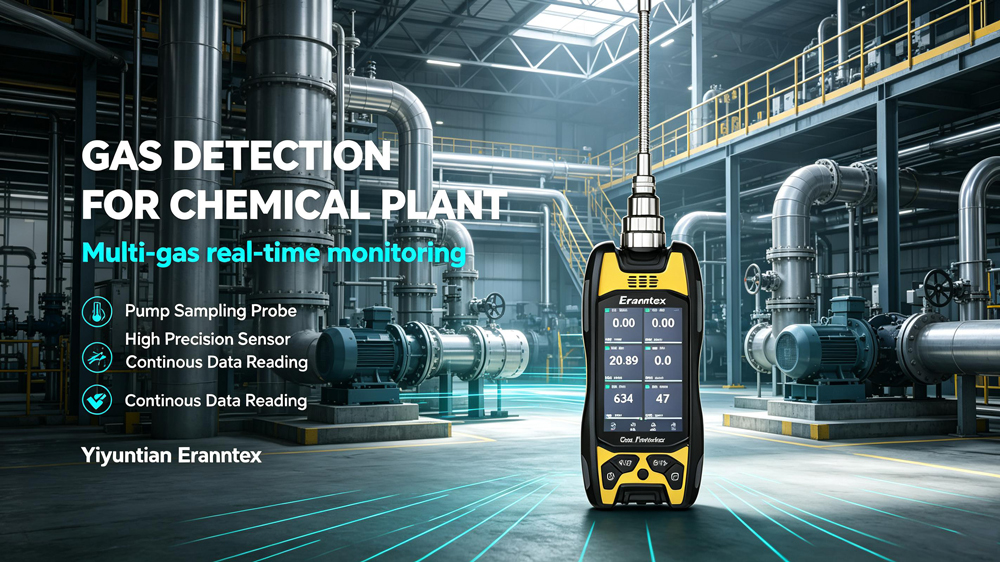
Portable four-in-one Gas Detectors User Manual
The portable four-in-one gas detectors is a core piece of personal protective equipment (PPE) for ensuring the safety of personnel...
2026-09-14 -

Calibration Specifications for Ammonia gas Detectors
Calibration of ammonia gas detectors is a core step in ensuring their measurement accuracy and alarm reliability. However, ammonia...
2026-09-11 -
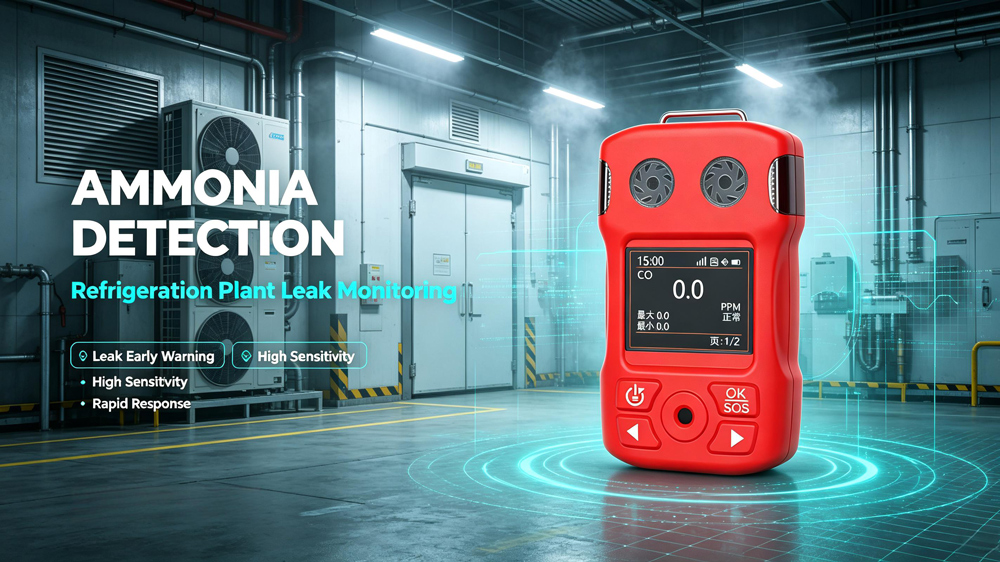
What is the appropriate installation height for an ammonia gas detectors?
Ammonia (NH₃) has a relative density of only 0.59, much lighter than air. This means that in the event of a leak, the gas will qu...
2026-09-09
 info@eranntexgas.com sale1@eranntexgas.com


 15914124845