
Calibration of combustible gas alarm, need to pay attention to what aspects?
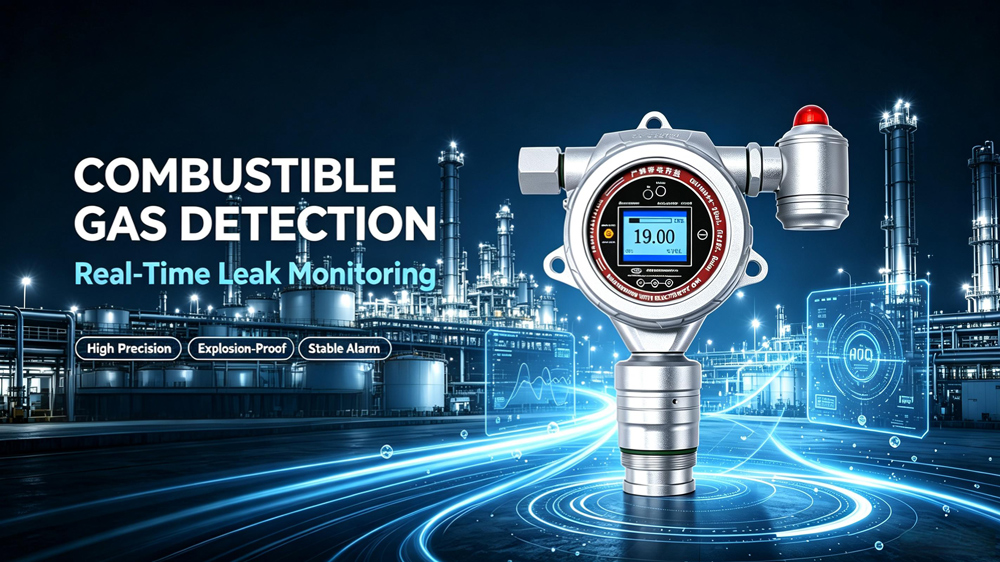
Publication Date:2023/04/14 We are often in many chemical plants, oil, gas stations, steel plants and other places that use or produce flammable gases, you can see the figure of combustible gas alarms. By installing a combustible gas alarm, when it is detected that the concentration of combustible gas reaches the alarm value set by the alarm, the combustible gas alarm will send out an audible and visual alarm signal to remind people to evacuate, force exhaust, shut down equipment and other safety measures. However, we need to calibrate after using the combustible gas alarm for a long time. Do you know what you need to pay attention to when calibrating combustible gas alarm ? The following is a brief introduction by yi yun Tian:

1. Is the ventilation good
Combustible gas alarms should avoid verification when the gas concentration is higher than the lower explosive limit.Although this situation rarely occurs, sometimes poor ventilation can cause gas accumulation, and the gas concentration increases sharply in a short time, which has a great impact on the calibration verification results and safety of combustible gas alarms. For example, when a combustible gas alarm calibrates a catalytic combustion combustible gas alarm, the sensor used is the catalytically active element of the carrier. If the combustible gas concentration is higher than the lower explosive limit, the sensor will make the "poisoning" severe cases, other parts will be burned.
2. Flammable gas alarms cannot be calibrated in places containing sulfur, arsenic, phosphorus, silicon, aluminum and other elements or compounds of these elements.
Because these elements or their compounds will poison the sensor, the sensitivity of the combustible gas alarm will be reduced and the service life will be shortened. In severe cases, the instrument will fail, and on-site maintenance will cause the volatilization of some welding materials and adhesives. Therefore, on-site maintenance should be avoided during the calibration of combustible gas alarms.
In summary, it is to calibrate the combustible gas alarm. Some aspects need attention. During the calibration of the combustible gas alarm, we must pay attention to opening the doors and windows for ventilation so that the gas can be diffused and discharged. In addition, smoking and open flames are strictly prohibited in the detection area. On-site verification should ensure good ventilation and sufficient oxygen, so as not to affect the normal operation of combustible gas alarm and generate electromagnetic interference.
Related information
-
How to Calibrate a Portable four-in-one Gas Detectors?
Portable four-in-one gas detectors are core protective equipment in the industrial safety field. However, sensors can experience z...
2026-09-18 -
What are the application scenarios for portable four-in-one gas detectors?
Portable four-in-one gas detectors typically monitor oxygen (O₂), flammable gas (LEL), carbon monoxide (CO), and hydrogen sulfide...
2026-09-16 -
Portable four-in-one Gas Detectors User Manual
The portable four-in-one gas detectors is a core piece of personal protective equipment (PPE) for ensuring the safety of personnel...
2026-09-14 -

Calibration Specifications for Ammonia gas Detectors
Calibration of ammonia gas detectors is a core step in ensuring their measurement accuracy and alarm reliability. However, ammonia...
2026-09-11 -
What is the appropriate installation height for an ammonia gas detectors?
Ammonia (NH₃) has a relative density of only 0.59, much lighter than air. This means that in the event of a leak, the gas will qu...
2026-09-09
 info@eranntexgas.com sale1@eranntexgas.com


 15914124845