
Gas detector use method and gas standard table
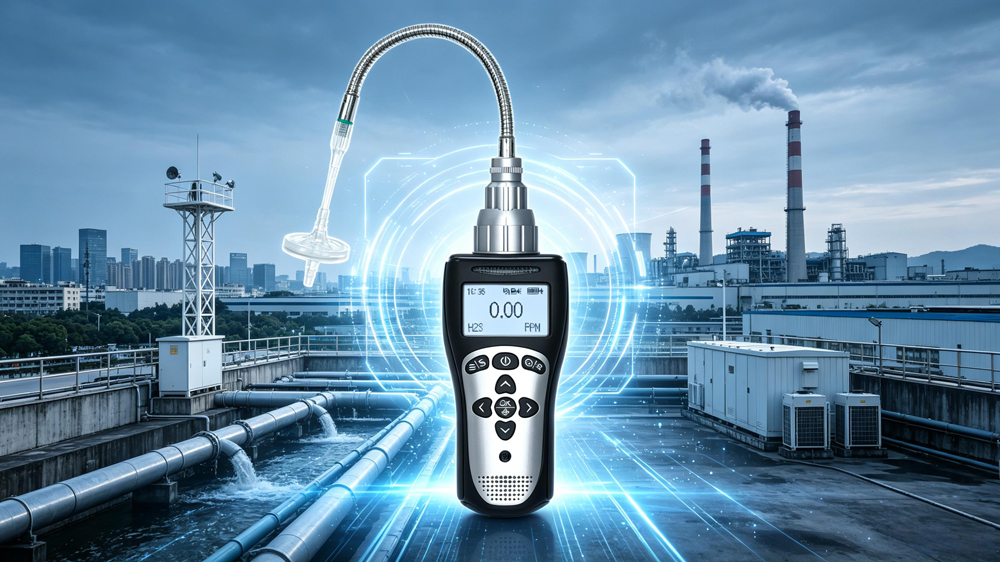
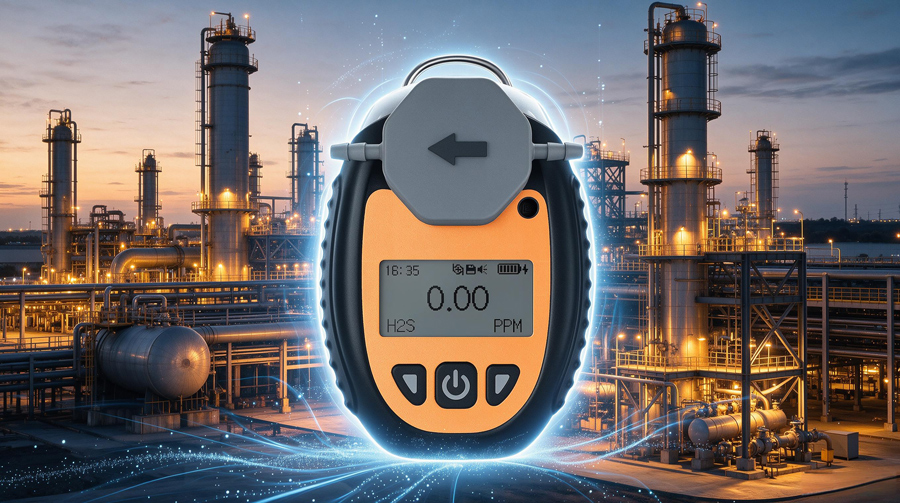
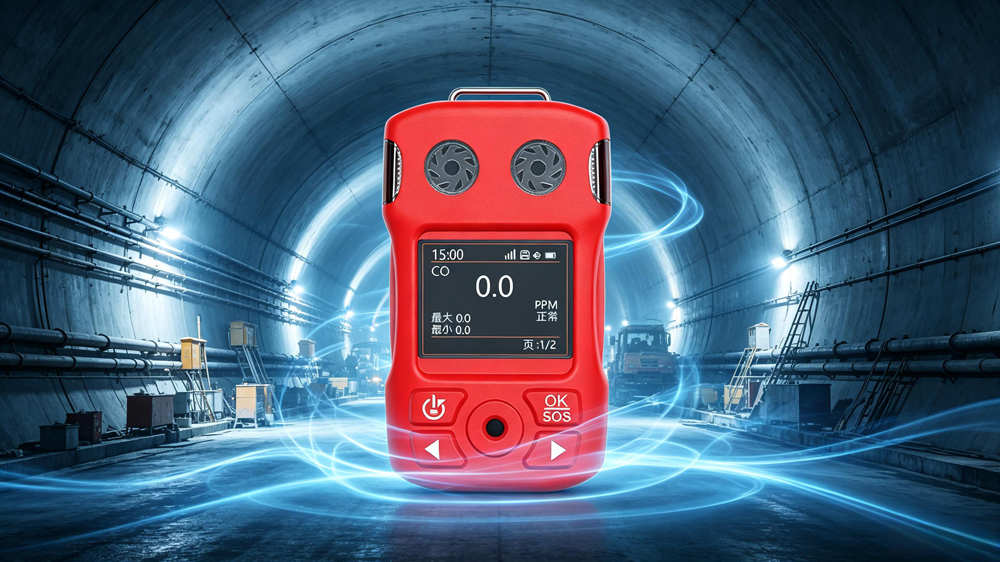
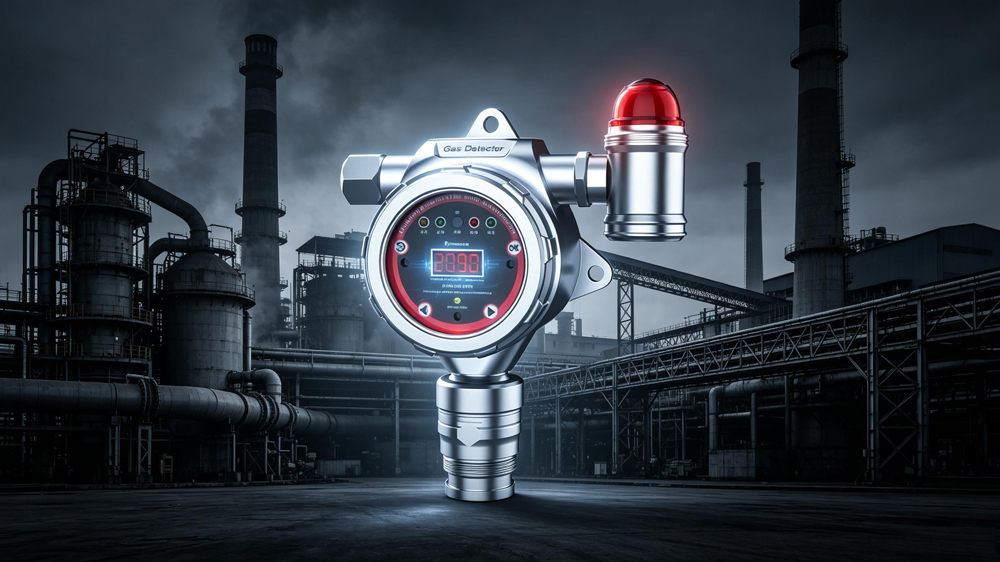
Publication Date:2024/07/05 The gas detector can display the concentration of various harmful gases in the environment in real time, such as combustible gases, toxic gases, etc. Once the gas concentration exceeds the preset safety threshold, the gas detector will immediately send out an audible and visual alarm to remind the operator to take timely safety measures. Therefore, when using a gas detector, it is essential to ensure the safety of the workplace by mastering the correct use of the gas detector and understanding the gas standards. Do you know how to use gas detector and what is the gas standard table? The following is a brief introduction by yiyuntian electronics:
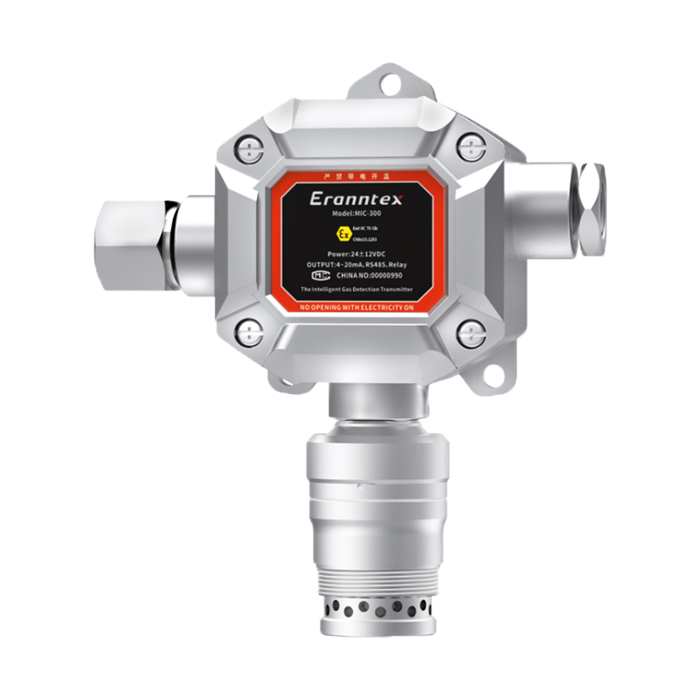
how to use the gas detector:
1. Preparations:
Confirm that the gas detector has been charged or installed a new battery, and ensure that the charge is sufficient to avoid power interruption during use.At the same time, check whether the gas detector is in good condition, whether the sensor is clean, and there is no material coverage, so as not to affect the accuracy of the test results. In addition, it is also necessary to ensure that the user has fully understood and mastered the relevant knowledge in the instruction manual and correctly wear personal protective equipment.
2. Calibrate the instrument:
In order to ensure the accuracy of the gas detector, calibration is required. Calibration is the adjustment of the instrument to obtain accurate readings by comparison with a reference gas of known gas concentration. Before calibration, the gas detector should be placed in the air for a period of time to stabilize it. Then calibrate according to the specific steps in the instruction manual.
3. Gas detection:
Before performing gas detection, it is necessary to understand the characteristics of the detected area and the types of potentially dangerous gases. Turn on the gas detector and place it in the area to be inspected. Then, according to the reading of the gas detector, it is judged whether there is a dangerous gas exceeding the standard.
In this process, pay attention to the alarm function of the gas detector, and when the gas concentration exceeds the set threshold An alarm is issued in time to remind the user.At the same time, during the monitoring process, the gas detector should be kept in full contact with the air and avoid blocking the sensor.
4. Record and report results:
After the gas test is completed, it is necessary to record and report the test results. Records include the location of the detected area, detection time, gas concentration readings and other information for subsequent analysis and reference. Then, according to the test results, formulate corresponding control measures and take necessary safety protection measures.
Gas standards for gas detectors include, but are not limited to, the following:
1. National Standards:
The design, certification and other appearance production standards of the gas detector follow national standards, such as GB4208-2008/IEC60529:2001 "Enclosure Protection Level (IP Code)" and so on.There are also corresponding national standards for the selection and installation of gas detectors, such as the GB50058-2014 Code for Design of Electrical Devices in Explosive Hazardous Environments.
2. Gas concentration range:
The concentration standard value range of the gas detector depends on the specific gas type measured. For example, the concentration of combustible gases is usually expressed as a percentage (%LEL or% VOL) or in ppm(parts per million) in units that can range from 0 to hundreds or thousands of ppm. Toxic and harmful gases such as hydrogen sulfide, carbon monoxide, etc. also have their specific concentration standard value range, generally below a certain value is considered safe.
3. Alarm threshold:
The alarm threshold of the gas detector can be set according to specific needs and use environment. When the measured value exceeds the set alarm threshold, the instrument will sound an alarm or vibrate to alert the user.
Please note that different brands and models of gas detectors may have different usage methods and gas standards.Therefore, before using the gas detector, be sure to read and understand the corresponding user manual carefully and follow the instructions in the manual.
Related information
-
How to Calibrate a Portable four-in-one Gas Detectors?
Portable four-in-one gas detectors are core protective equipment in the industrial safety field. However, sensors can experience z...
2026-09-18 -
What are the application scenarios for portable four-in-one gas detectors?
Portable four-in-one gas detectors typically monitor oxygen (O₂), flammable gas (LEL), carbon monoxide (CO), and hydrogen sulfide...
2026-09-16 -
Portable four-in-one Gas Detectors User Manual
The portable four-in-one gas detectors is a core piece of personal protective equipment (PPE) for ensuring the safety of personnel...
2026-09-14 -

Calibration Specifications for Ammonia gas Detectors
Calibration of ammonia gas detectors is a core step in ensuring their measurement accuracy and alarm reliability. However, ammonia...
2026-09-11 -
What is the appropriate installation height for an ammonia gas detectors?
Ammonia (NH₃) has a relative density of only 0.59, much lighter than air. This means that in the event of a leak, the gas will qu...
2026-09-09
 info@eranntexgas.com sale1@eranntexgas.com


 15914124845