
What should be paid attention to during the verification of hydrogen detector?
Publication Date:2024/09/04 In the verification process of hydrogen detectors, every note plays a vital role. They are not only interrelated, but also directly related to the accuracy and high reliability of the verification results. Strict compliance with these precautions is an important prerequisite for ensuring accurate test data and reliable instrument performance. Do you know what to pay attention to during the qualification of hydrogen detector ? The following is an introduction to yiyuntian electronic editor:
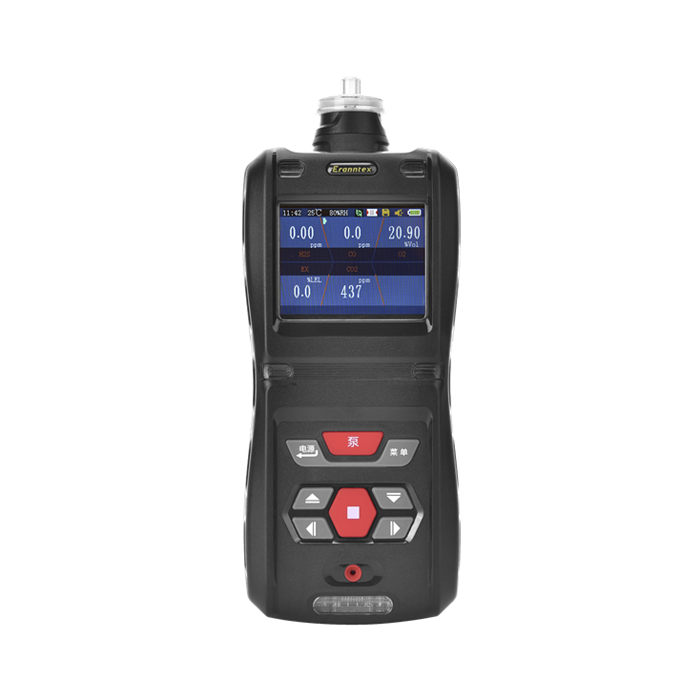
During the verification of the hydrogen detector, the following key points should be noted:
1. Environmental Conditions and Equipment Preparation
(1) Environmental condition control:
Ensure that the temperature and humidity of the verification environment are within the range specified by the hydrogen detector, usually the ambient temperature is required to be between 15~35°C, and the humidity should also meet the use requirements of the hydrogen detector.At the same time, keep the verification environment well ventilated, no fire or other potential sources of fire, to prevent hydrogen leakage caused by safety accidents.
(2) Standard gas and equipment selection:
Use the standard gas approved by the State Bureau of Quality and Technical Supervision to ensure that the volume value of the gas is accurate and reliable, and the relative uncertainty does not exceed the specified range. At the same time, should be used with the standard gas cylinder supporting the use of gas pressure reducing valve, flow meter and other equipment, to ensure that the accuracy and reliability of these equipment to meet the verification requirements.
2. procedures and details
(1) Preheating and stabilization:
Preheat the hydrogen detector in strict accordance with the requirements of the hydrogen detector instructions to ensure that the hydrogen detector reaches a stable working state.The preheating time may vary depending on the instrument model, and the instructions must be strictly followed.
(2) Zero and Span Calibration:
Zero calibration is carried out before verification to ensure that the output of the hydrogen detector is zero when there is no measured gas. The standard gas with different concentrations shall be used for range calibration, and the indication value of the instrument shall be recorded and compared with the standard value to calculate the error.
(3) Alarm function test:
Test whether the alarm function of the hydrogen detector is normal, including alarm point setting, alarm sound, alarm light, etc. Ensure that the instrument can send an alarm signal in time when the hydrogen concentration exceeds the set threshold.
(4) Stability test:
Continuously observe the change of the hydrogen detector within a certain period of time to evaluate its stability. Note any abnormal fluctuations or drifts.
3. Data Recording and Error Analysis
(1) Detailed records:
Record various data in detail during the verification process of the hydrogen detector, including the concentration of standard gas, the indication value of the instrument, and the error calculation results.Ensure that the data is accurate for subsequent analysis and processing.
(2) Error analysis:
The verification results are analyzed and judged according to the requirements and error limits of the verification regulations of the hydrogen detector. Pay attention to consider various factors that may affect the verification results, such as environmental factors, equipment accuracy, etc.
4. safety precautions
strong> (1) Follow the operating procedures:
Strictly follow the safety operation procedures during the verification of the hydrogen detector, and wear necessary personal protective equipment, such as protective glasses and gloves.
(2) Prevent leaks:
When using standard gas, pay attention to prevent gas leakage and ensure the safety of the verification environment. Once the leakage is found, measures should be taken immediately to deal with it.
(3) Emergency preparedness:
Formulate the emergency plan of hydrogen detector and prepare necessary emergency equipment and materials to deal with possible emergencies. Ensure that measures can be taken quickly and effectively to protect the safety of personnel and equipment in emergency situations.
In summary, we can see that the precautions in the verification process of the hydrogen detector cover environmental condition control, equipment preparation, operation process and details, data recording and error analysis, and safety precautions. Only strict adherence to these considerations can ensure the accuracy and reliability of the verification results.
Related information
-
How to Calibrate a Portable four-in-one Gas Detectors?
Portable four-in-one gas detectors are core protective equipment in the industrial safety field. However, sensors can experience z...
2026-09-18 -
What are the application scenarios for portable four-in-one gas detectors?
Portable four-in-one gas detectors typically monitor oxygen (O₂), flammable gas (LEL), carbon monoxide (CO), and hydrogen sulfide...
2026-09-16 -
Portable four-in-one Gas Detectors User Manual
The portable four-in-one gas detectors is a core piece of personal protective equipment (PPE) for ensuring the safety of personnel...
2026-09-14 -

Calibration Specifications for Ammonia gas Detectors
Calibration of ammonia gas detectors is a core step in ensuring their measurement accuracy and alarm reliability. However, ammonia...
2026-09-11 -
What is the appropriate installation height for an ammonia gas detectors?
Ammonia (NH₃) has a relative density of only 0.59, much lighter than air. This means that in the event of a leak, the gas will qu...
2026-09-09
 info@eranntexgas.com sale1@eranntexgas.com


 15914124845