
How to effectively ensure the accuracy and reliability of the oxygen detector?
Publication Date:2024/09/11 I believe everyone knows that the main function of the oxygen detector is to monitor the oxygen concentration in the environment, so that through high-precision sensors and advanced detection technology, the oxygen content in the current environment can be measured in real time and accurately. And convert it into a readable number or signal display. In this process, by ensuring the accuracy and reliability of the oxygen detector, it is of great significance to ensure the safety of personnel, prevent safety accidents, meet regulatory requirements, improve production efficiency, protect the ecological environment and reduce false positives and omissions. So do you know how to effectively ensure the accuracy and reliability of oxygen detector ? The following is a brief introduction by yiyuntian electronics:
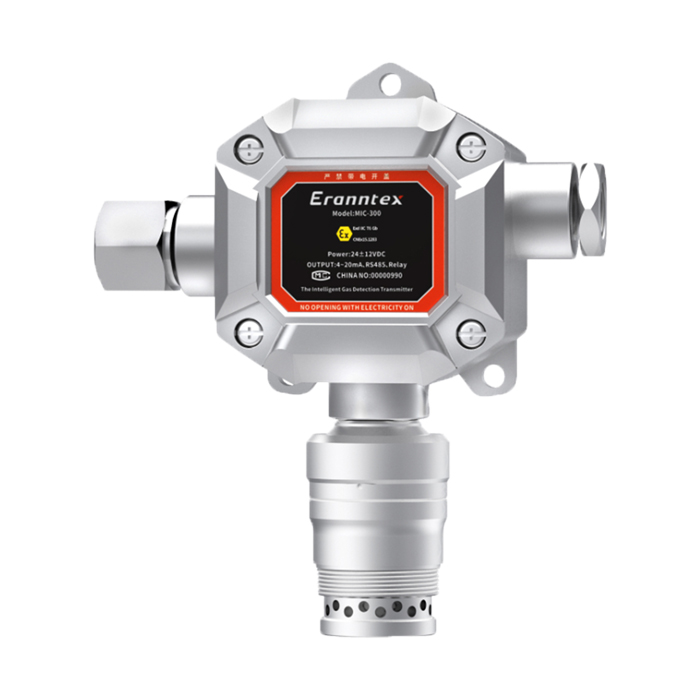
To ensure the accuracy and reliability of the oxygen detector, effective maintenance and management can be carried out from the following aspects:
1. periodic calibration
/span>
Importance: regular calibration is a key step in ensuring the accuracy of the oxygen detector.Due to factors such as sensor aging and environmental changes, deviations may occur during the use of the instrument. Regular calibration can detect and correct these deviations in time.
Calibration frequency: The calibration frequency should be determined according to the specific use environment and equipment requirements of the oxygen detector. Generally, it is recommended to calibrate at least once a year. In special environments, such as high humidity, highly corrosive gases, etc., more frequent calibration may be required.
Calibration method: Calibration should be carried out by professionally qualified personnel, using standard calibration gas for comparison and adjustment. The calibration process should be strictly in accordance with the oxygen detector instructions or calibration specifications for operation.
2. correct installation and storage
Install location: according to the characteristics of the site environment, select a representative location for installation. Since the oxygen density is higher than that of air, the oxygen detector should be installed about 30cm from the floor to accurately measure the oxygen concentration in the lower part. For wall-mounted oxygen detectors, they are usually installed at a distance of about 160cm from the ground, which is convenient for operators to view and record data at any time.
Storage environment: Oxygen detectors that are not used for a long time should be stored in a dry and ventilated place to avoid moisture and heat. Storage should avoid contact with corrosive substances and strong magnetic field, so as not to cause damage to the instrument.
3. Routine Maintenance and Maintenance
Cleaning and maintenance: regularly clean the dust and dirt on the surface of the oxygen detector to prevent dust and moisture from entering the instrument.Use a soft cloth or cotton swab when cleaning, avoid using corrosive or abrasive cleaning agents.
Check the sensor: regularly check the sensitivity and accuracy of the sensor, if there is any abnormality, replace or repair it in time. The sensor is the core component of the oxygen detector, and its performance directly affects the accuracy of the measurement results.
Check the power and signal lines: regularly check the power and signal lines of the oxygen detector to ensure that there is no damage or aging. If necessary, new power lines and signal lines should be replaced in time.
4. training and management
Rules and regulations: formulate strict rules and regulations and clearly require subordinate employees to use and maintain oxygen detectors correctly.The scope of use, calibration cycle, maintenance requirements and fault handling process of the oxygen detector should be specified in the system.
In summary, the accuracy and reliability of the oxygen detector can be effectively ensured through regular calibration, correct installation and storage, daily maintenance and maintenance, and training and management. These measures not only help to extend the service life of the oxygen detector, but also provide a strong guarantee for the safety of the workplace.
Related information
-
How to Calibrate a Portable four-in-one Gas Detectors?
Portable four-in-one gas detectors are core protective equipment in the industrial safety field. However, sensors can experience z...
2026-09-18 -
What are the application scenarios for portable four-in-one gas detectors?
Portable four-in-one gas detectors typically monitor oxygen (O₂), flammable gas (LEL), carbon monoxide (CO), and hydrogen sulfide...
2026-09-16 -
Portable four-in-one Gas Detectors User Manual
The portable four-in-one gas detectors is a core piece of personal protective equipment (PPE) for ensuring the safety of personnel...
2026-09-14 -

Calibration Specifications for Ammonia gas Detectors
Calibration of ammonia gas detectors is a core step in ensuring their measurement accuracy and alarm reliability. However, ammonia...
2026-09-11 -
What is the appropriate installation height for an ammonia gas detectors?
Ammonia (NH₃) has a relative density of only 0.59, much lighter than air. This means that in the event of a leak, the gas will qu...
2026-09-09
 info@eranntexgas.com sale1@eranntexgas.com


 15914124845