
Oxygen detector detection is not allowed, how to solve?
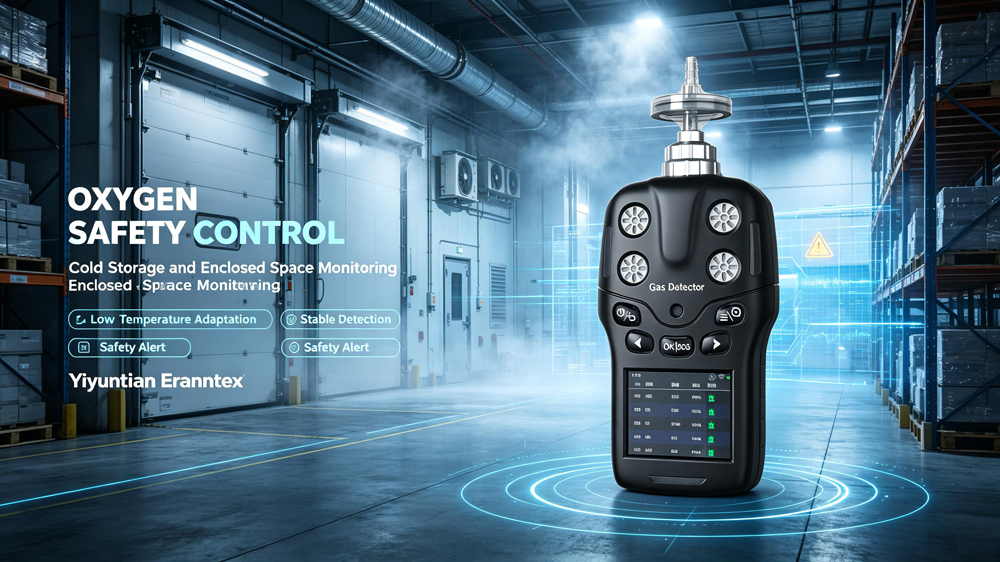
Publication Date:2024/11/29 In the process of using the oxygen detector, we occasionally encounter the problem of inaccurate detection data. This inaccuracy will not only pose a direct threat to key areas such as production safety and medical treatment, but may also Misleading decision-making, leading to unnecessary risks and losses. Therefore, quickly and effectively solve the problem of the detection accuracy of the oxygen detector has become an important task that we can not ignore. Do you know how to solve the problem that oxygen detector is not accurate? The following is a brief introduction by yiyuntian electronics:
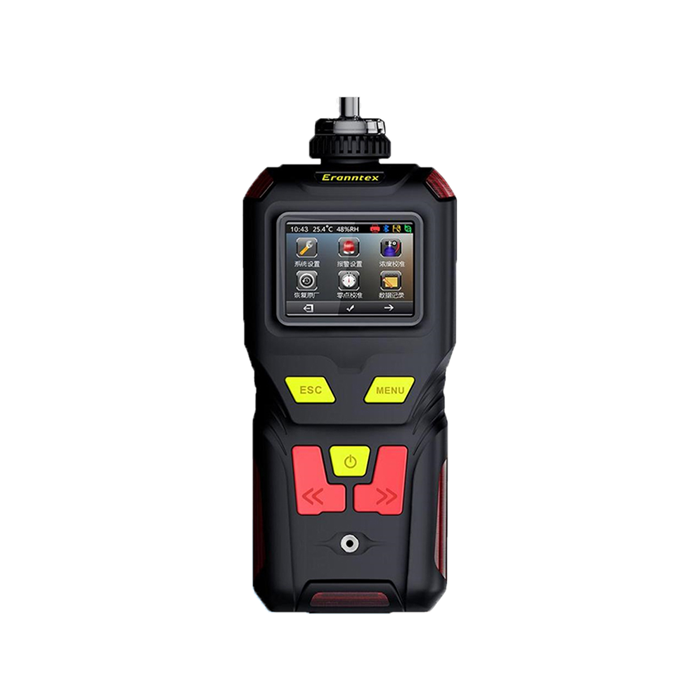
when the oxygen detector is not on time, the following measures can be taken to solve the problem:
1. Inspection and Calibration
br>
(1) Confirm sensor status:
Check the sensor of the oxygen detector for aging or damage.The sensor is the core component of the oxygen detector, and its performance may decrease or fail after long-term use. If there is a problem with the sensor, you need to contact the manufacturer or professional maintenance personnel for replacement.
(2) Calibrate:
Use standard gas to calibrate the oxygen detector. Calibration is an important step to ensure the accuracy of the oxygen detector and should be performed regularly. During the calibration process, it is necessary to ensure that the oxygen detector is correctly connected to the standard gas and follow the manufacturer's guidelines. If the calibration is still inaccurate, you may need to adjust the calibration parameters or seek professional help.
2. Optimized Environment
When using the oxygen detector, try to avoid exposing it to environments that may cause interference.For example, avoid placing it close to sources of electromagnetic interference and avoid exposing it to chemicals.
(2) Stable environment:
Ensure that the ambient temperature, humidity and other conditions of the oxygen detector are stable. Extreme or unstable environmental conditions may affect the performance of the sensor, resulting in inaccurate measurement data.
3. Specialized Repair and Inspection
(1) Contact the manufacturer:
If the oxygen detector is still inaccurate after the above steps, it is recommended to contact the manufacturer or professional maintenance personnel for inspection and maintenance.
(2) Professional inspection:
Professionals will conduct a comprehensive inspection of the oxygen detector, including performance testing of sensors, circuit boards, displays, and other components. According to the inspection results, they will provide corresponding repair or replacement recommendations.
4. precautions
(1) Regular maintenance:
Clean and maintain the oxygen detector regularly, including cleaning the sensor, checking the connection points, etc. This helps to extend the life of the oxygen detector and maintain its accuracy.
(2) Correct operation:
Follow the manufacturer's instructions and operate the oxygen detector correctly to avoid incorrect operation that could lead to instrument damage or inaccurate measurements.
(3) Choose a high-quality product:
When purchasing an oxygen detector, it is recommended to choose a high-quality, well-known brand product like Yiyuntian. These products usually have better performance and longer service life.
To sum up, we can see that to solve the problem of inaccurate detection of oxygen detectors, we need to start from many aspects, including inspection and calibration of sensors, optimization of the use environment, timely maintenance and replacement of damaged parts, and taking preventive measures. Only by ensuring the accuracy and reliability of the oxygen detector can the safety and health of personnel be effectively guaranteed, and the production efficiency and medical treatment level can be improved. Therefore, it is recommended that when using the oxygen detector, users must pay attention to its maintenance and maintenance work, and regularly calibrate and check to ensure that it is always in good working condition.
Related information
-
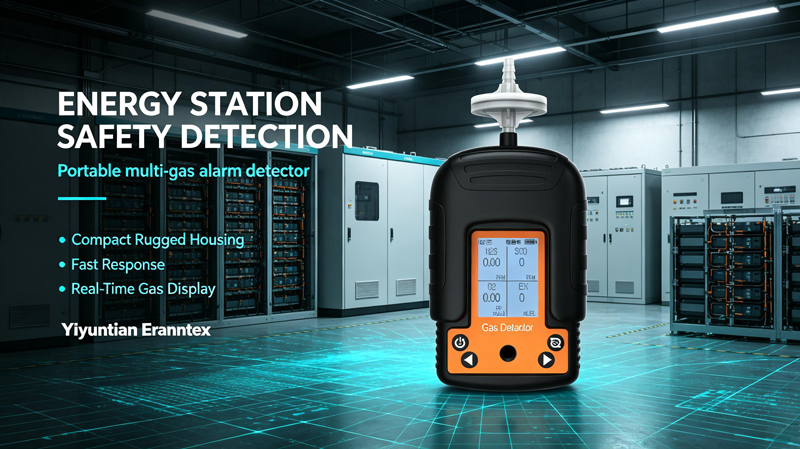
How to Calibrate a Portable four-in-one Gas Detectors?
Portable four-in-one gas detectors are core protective equipment in the industrial safety field. However, sensors can experience z...
2026-09-18 -
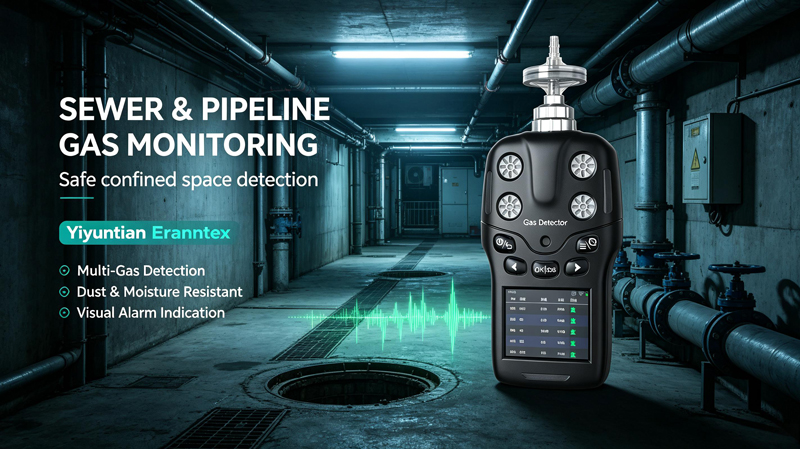
What are the application scenarios for portable four-in-one gas detectors?
Portable four-in-one gas detectors typically monitor oxygen (O₂), flammable gas (LEL), carbon monoxide (CO), and hydrogen sulfide...
2026-09-16 -
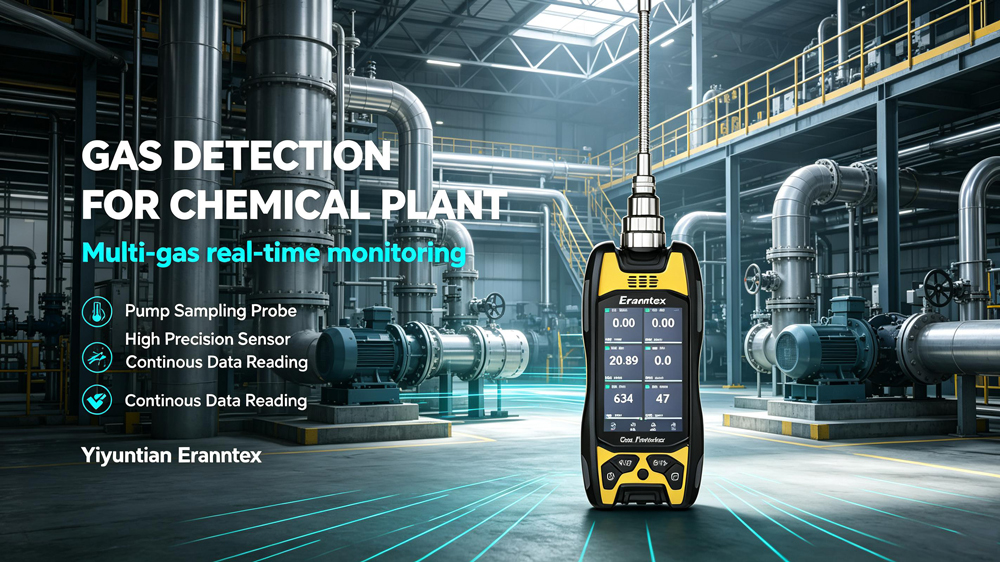
Portable four-in-one Gas Detectors User Manual
The portable four-in-one gas detectors is a core piece of personal protective equipment (PPE) for ensuring the safety of personnel...
2026-09-14 -

Calibration Specifications for Ammonia gas Detectors
Calibration of ammonia gas detectors is a core step in ensuring their measurement accuracy and alarm reliability. However, ammonia...
2026-09-11 -
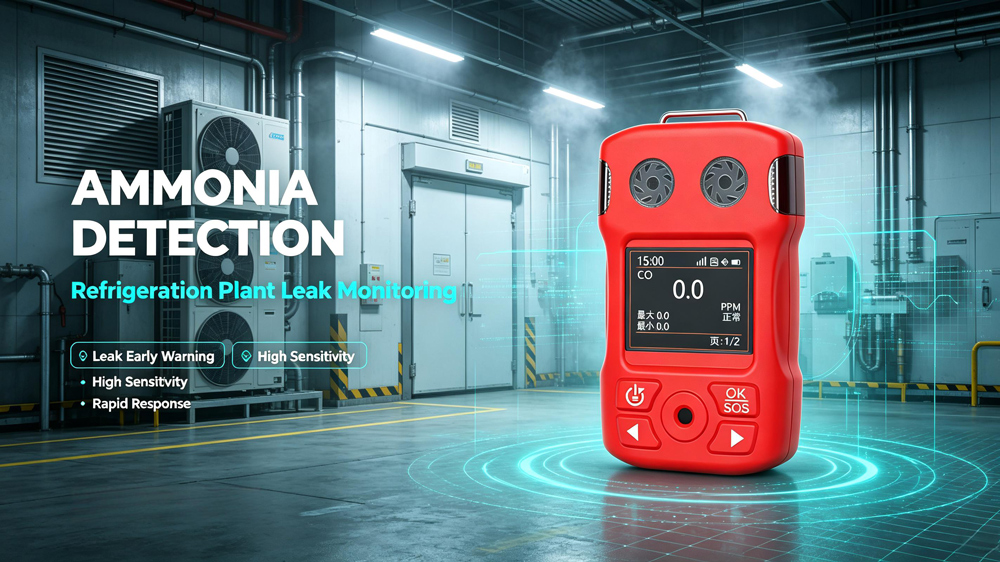
What is the appropriate installation height for an ammonia gas detectors?
Ammonia (NH₃) has a relative density of only 0.59, much lighter than air. This means that in the event of a leak, the gas will qu...
2026-09-09
 info@eranntexgas.com sale1@eranntexgas.com


 15914124845