
What are the common detection and alarm points of gas alarm?
Publication Date:2022/06/30 In the process of daily life and industrial production, the use of gas alarms can promptly remind people to pay attention to harmful gases in the air, and provide a guarantee for the safety of people's working environment. In order to ensure the use, in general, the gas alarm should be installed in the gas leakage place, the specific location should be determined according to the proportion of the detected gas relative to the air, which is what we usually call the detection alarm point. Do you know what are the common detection alarm points of gas alarm ? The following is a brief introduction by Yiyuntian:

common detection and alarm points of gas alarm are as follows:
(1) The detection alarm point of the gas alarm should be located near the release point where toxic gas may be released, such as delivery pump, compressor, valve, flange, feeding port, sampling port, drain port of storage and transportation equipment, toxic liquid loading and unloading port or possible overflow port, toxic gas filling port, and vulnerable parts of toxic substance equipment.
(2) The detection and alarm points of the gas alarm should also be set up for the channels, sewage outlets, dead corners and tunnels that are associated with the toxic gas release source sites and have personnel activities.
(3) Although there is no toxic gas release point in the workplace, if the toxic gas may spread and cause acute injury to personnel once released near the release point, the detection alarm point of the gas alarm shall be set up at the possible entrance of toxic gas or the place where personnel often move.
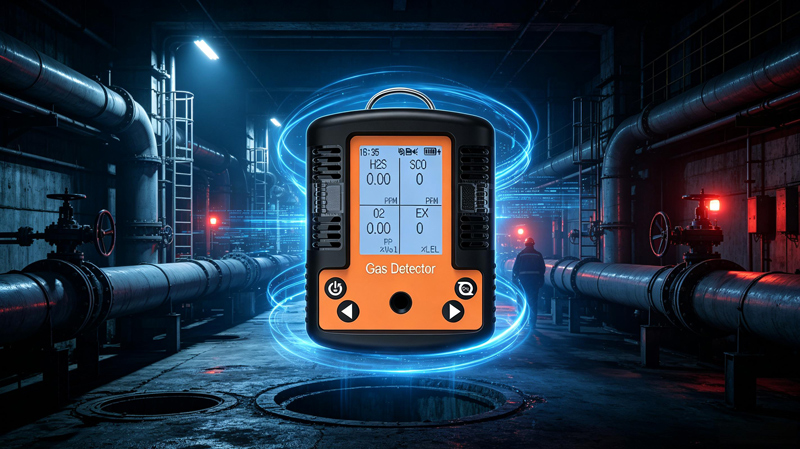
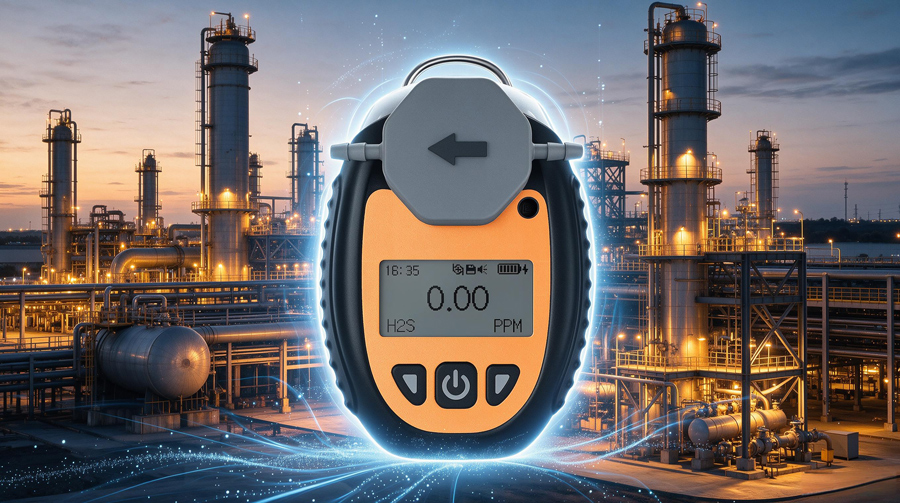
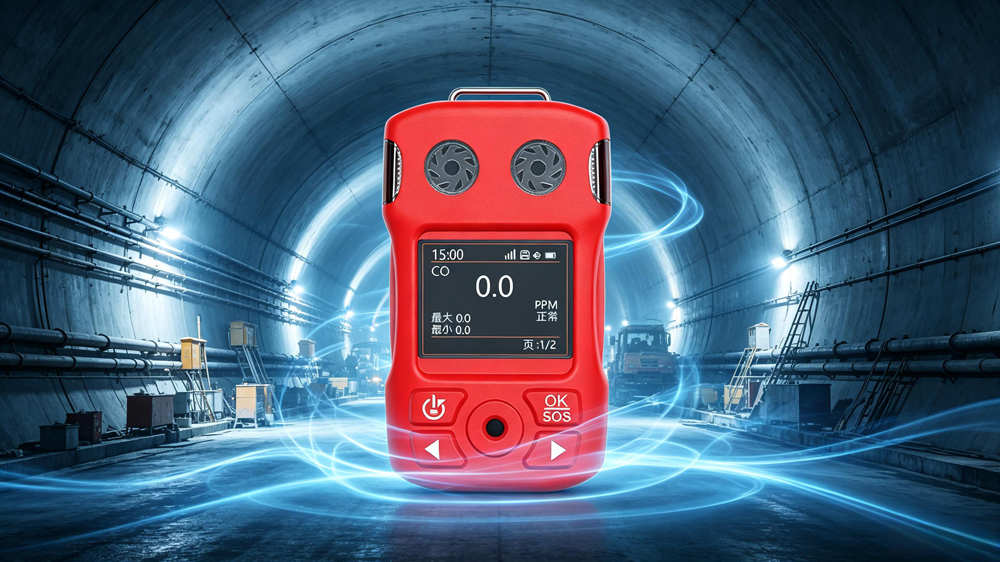
special attention: special places where the concentration of toxic gases in the air often exceeds the alarm set value may not set up fixed toxic gas detection alarm points. If it is necessary to enter the workplace due to work, the relevant personnel shall be equipped with portable toxic gas alarm and effective personal protective equipment.
To sum up, it is a common detection alarm point for gas alarms. In our lives, there are often flammable, toxic gas leakage or improper use of poor safety awareness and other serious safety accidents caused by news reports emerge in endlessly. These safety accidents caused property losses and casualties, affecting people's normal life and the normal production of the factory. Therefore, in order to ensure safety, we must install gas alarms and other related safety alarm equipment in places prone to leakage and common detection alarm points to reduce the incidence of accidents as much as possible, thus ensuring the safety of people's lives and property.
Related information
-
How to Calibrate a Portable four-in-one Gas Detectors?
Portable four-in-one gas detectors are core protective equipment in the industrial safety field. However, sensors can experience z...
2026-09-18 -
What are the application scenarios for portable four-in-one gas detectors?
Portable four-in-one gas detectors typically monitor oxygen (O₂), flammable gas (LEL), carbon monoxide (CO), and hydrogen sulfide...
2026-09-16 -
Portable four-in-one Gas Detectors User Manual
The portable four-in-one gas detectors is a core piece of personal protective equipment (PPE) for ensuring the safety of personnel...
2026-09-14 -

Calibration Specifications for Ammonia gas Detectors
Calibration of ammonia gas detectors is a core step in ensuring their measurement accuracy and alarm reliability. However, ammonia...
2026-09-11 -
What is the appropriate installation height for an ammonia gas detectors?
Ammonia (NH₃) has a relative density of only 0.59, much lighter than air. This means that in the event of a leak, the gas will qu...
2026-09-09

 info@eranntexgas.com sale1@eranntexgas.com


 15914124845