
How to self-check the combustible gas alarm?
Publication Date:2022/08/09 toxic and harmful gases in the production process of petroleum and petrochemical include hydrogen sulfide, chlorine, carbon monoxide, ammonia, benzene vapor, etc. in order to detect these gases, combustible gas alarm is needed. combustible gas alarm is the 1 detector that responds to the concentration of single or multiple combustible gases and can monitor the concentration of toxic and harmful gases in the atmosphere in real time, when the measured gas concentration exceeds the preset value, an audible and visual alarm will be issued immediately to remind people to take timely rescue measures. However, regular self-inspection is required in the use of combustible gas alarm, so how to carry out self-inspection on combustible gas alarm ? The following is an introduction by Yiyun Tian Xiaobian.

in order to confirm that the combustible gas alarm is in normal state and sensitive, it is necessary to check the combustible gas alarm regularly, if necessary, it can be sent to the factory for inspection. Under normal circumstances, self-inspection is enough.
combustible gas alarm self-check method:
1. combustible gas alarms produced by regular manufacturers generally have self-check function, mainly to check the circuit, press the self-test button, can send out sound and light signals that the circuit is normal.
2. the light detection circuit can only show that the circuit is good, and does not mean that the sensor is not faulty. therefore, other methods are needed to detect the quality of the sensor. generally, an ordinary lighter is used to aim at the air inlet seam of the combustible gas alarm, release a little gas, and be careful not to ignite. if there is an audible and visual alarm signal, that means the sensor is good.
the above self-check method for combustible gas alarm is shared here. it should be noted that the above self-check method only self-checks the response of combustible gas alarm, and cannot calibrate and calibrate the data of gas detection, moreover, there are many differences between the gas and the gas of the lighter. Long-term use or incorrect use may cause damage to the sensor. Therefore, pay attention to the method during self-inspection. If you are worried about the unreliable self-inspection, you can also find a gas company or The manufacturer's people come to check.
Related information
-
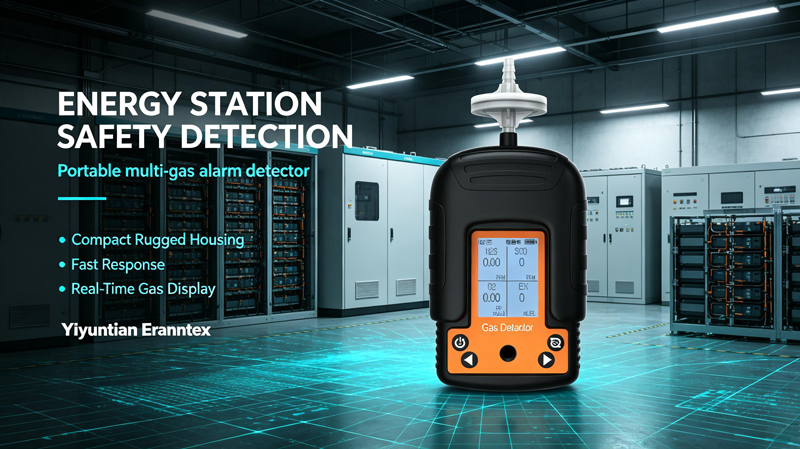
How to Calibrate a Portable four-in-one Gas Detectors?
Portable four-in-one gas detectors are core protective equipment in the industrial safety field. However, sensors can experience z...
2026-09-18 -
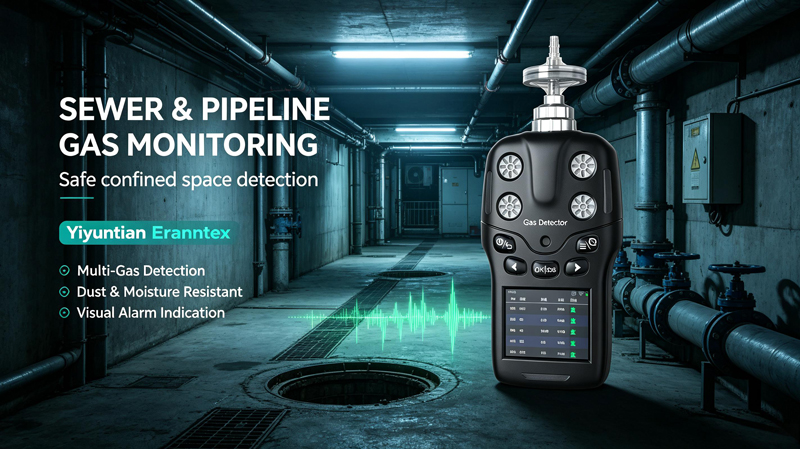
What are the application scenarios for portable four-in-one gas detectors?
Portable four-in-one gas detectors typically monitor oxygen (O₂), flammable gas (LEL), carbon monoxide (CO), and hydrogen sulfide...
2026-09-16 -
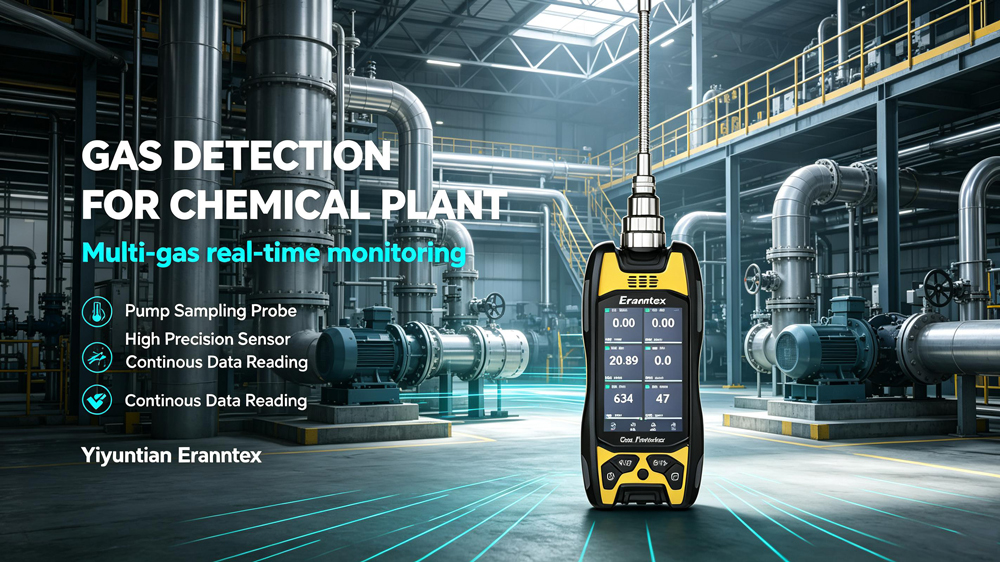
Portable four-in-one Gas Detectors User Manual
The portable four-in-one gas detectors is a core piece of personal protective equipment (PPE) for ensuring the safety of personnel...
2026-09-14 -

Calibration Specifications for Ammonia gas Detectors
Calibration of ammonia gas detectors is a core step in ensuring their measurement accuracy and alarm reliability. However, ammonia...
2026-09-11 -
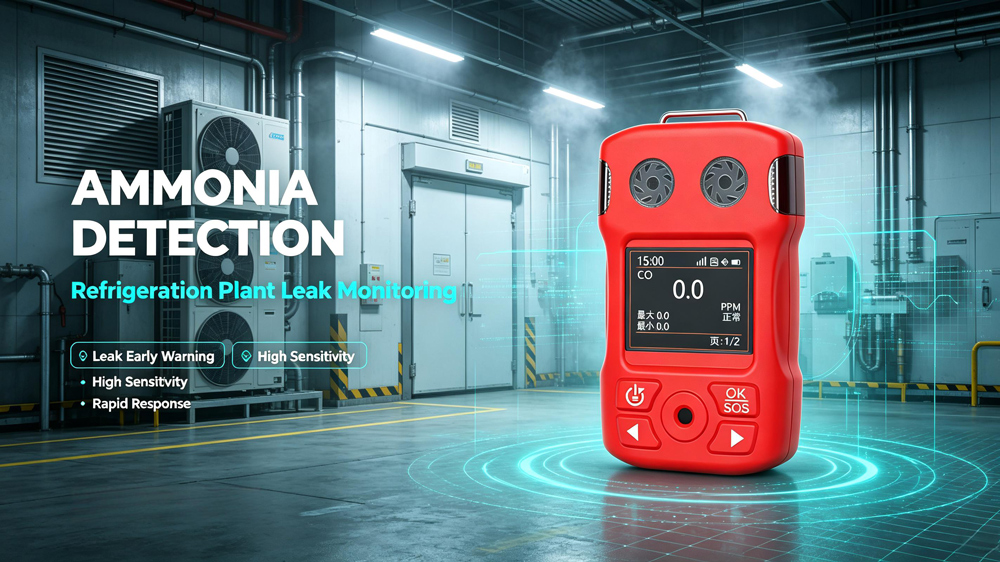
What is the appropriate installation height for an ammonia gas detectors?
Ammonia (NH₃) has a relative density of only 0.59, much lighter than air. This means that in the event of a leak, the gas will qu...
2026-09-09
 info@eranntexgas.com sale1@eranntexgas.com


 15914124845