
The hydrogen detector cannot enter the zero adjustment mode. What should I do?
Publication Date:2024/12/18 In the actual operating environment, due to the combined effect of many factors, we occasionally encounter the dilemma that the hydrogen detector is difficult to enter the zero adjustment mode smoothly. The emergence of these 1 problems not only directly hinders the smooth operation of the hydrogen detector, reduces its detection accuracy and reliability, but also invisibly buries hidden dangers that cannot be ignored for the safety monitoring of the industrial environment, and poses a potential for overall safety in production. Serious threat. Therefore, actively responding to and solving these 1 problems is of vital significance for ensuring the safety monitoring efficiency of the industrial environment and ensuring production safety. Do you know that hydrogen detector cannot enter zero adjustment mode? The following is a brief introduction by yiyuntian electronics:
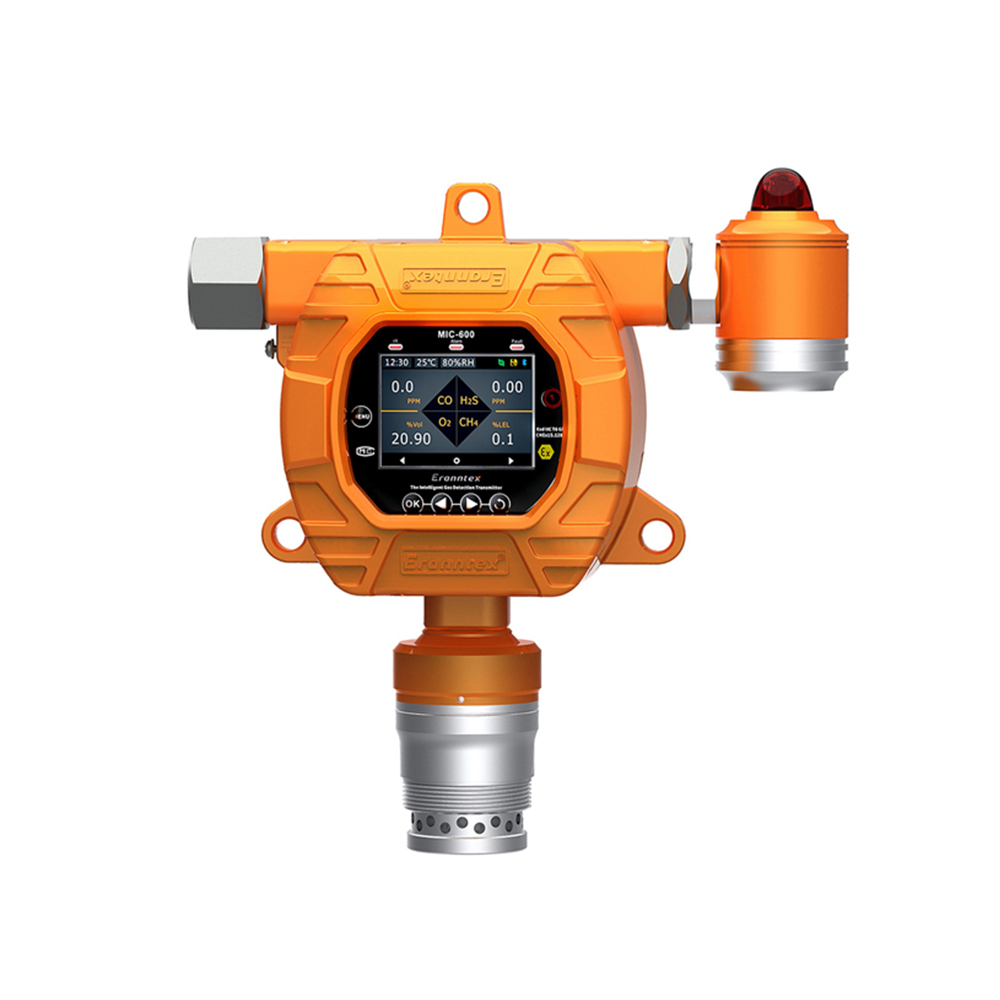
When the hydrogen detector cannot enter the zero adjustment mode, the following measures can be taken:
1. possible causes
(1) Power issue:
An unstable or improperly connected power supply may cause the hydrogen detector to fail to function properly, including the inability to enter zero mode.
(2) Operation error:
The user may not operate the hydrogen detector correctly according to the instructions in the operation manual, resulting in the failure to enter the zero adjustment mode.
(3) Device failure:
An internal hardware or software failure in the hydrogen detector may cause it to fail to respond to commands for zeroing mode.
(4) Environmental Disturbances:
Other gases or interference factors in the environment may affect the normal operation of the hydrogen detector, including entering the zero adjustment mode.
(1) Check the power supply:
Ensure that the power supply of the hydrogen detector is stable and properly connected. At the same time, check the power socket and power cord for damage or aging, and replace with a new power cord or socket if necessary.
(2):
Carefully review the hydrogen detector's operating manual to ensure that you follow the correct steps to enter the zero mode. If clear instructions are not provided in the operating manual, contact the equipment manufacturer for technical support.
(3) Reboot the device:
Try shutting down the hydrogen detector and restarting it to see if that solves the problem.
(4) Check device status:
Check the display and indicator lights of the hydrogen detector to ensure that the equipment is in normal state. If the device display is abnormal or the indicator light flashes, it may indicate that there is a fault in the device.
(5) Eliminate environmental distractions:
Make sure there are no other gases or interferences around the hydrogen detector. If possible, move the hydrogen detector to another environment for testing to see if it can enter the zero adjustment mode normally.
(6) Contact the manufacturer:
If none of the above methods can solve the problem, it is recommended to contact the manufacturer or supplier of the hydrogen detector for professional technical support.
3. precautions
(1) Regular maintenance:
Regularly maintain and calibrate the hydrogen detector to ensure that it is in the best working condition.
(2) Train employees:
Provide regular training to employees using hydrogen detectors to improve their operational skills and safety awareness.
(3) Check the environment:
Before using the hydrogen detector, check the surrounding environment for interference factors and take corresponding preventive measures.
In summary, we can see that the failure of the hydrogen detector to enter the zero adjustment mode is a problem that requires great attention.By checking the possible causes of power supply, operation, equipment failure and environmental interference one by one, and taking corresponding measures, we can effectively restore the normal operation of the hydrogen detector and ensure its accuracy and stability. At the same time, we should strengthen the maintenance of equipment and the training of employees to prevent the recurrence of such problems.
Related information
-
How to Calibrate a Portable four-in-one Gas Detectors?
Portable four-in-one gas detectors are core protective equipment in the industrial safety field. However, sensors can experience z...
2026-09-18 -
What are the application scenarios for portable four-in-one gas detectors?
Portable four-in-one gas detectors typically monitor oxygen (O₂), flammable gas (LEL), carbon monoxide (CO), and hydrogen sulfide...
2026-09-16 -

Portable four-in-one Gas Detectors User Manual
The portable four-in-one gas detectors is a core piece of personal protective equipment (PPE) for ensuring the safety of personnel...
2026-09-14 -

Calibration Specifications for Ammonia gas Detectors
Calibration of ammonia gas detectors is a core step in ensuring their measurement accuracy and alarm reliability. However, ammonia...
2026-09-11 -
What is the appropriate installation height for an ammonia gas detectors?
Ammonia (NH₃) has a relative density of only 0.59, much lighter than air. This means that in the event of a leak, the gas will qu...
2026-09-09


 info@eranntexgas.com sale1@eranntexgas.com


 15914124845