
What are the measures to prevent hydrogen leakage from hydrogen detector?
Publication Date:2024/12/19 In industrial settings, hydrogen is commonly used in various chemical reactions, energy production, and semiconductor manufacturing processes. However, once hydrogen leaks, it may not only cause serious safety accidents such as fire or explosion, but also pose a direct threat to the lives of employees. Therefore, to ensure the accuracy and reliability of the hydrogen detector, timely detection and prevention of hydrogen leakage is an important measure to ensure industrial safety and employee life safety. Do you know the measures to prevent hydrogen detector from hydrogen leakage? The following is an introduction by Yiyuntian Electronics:
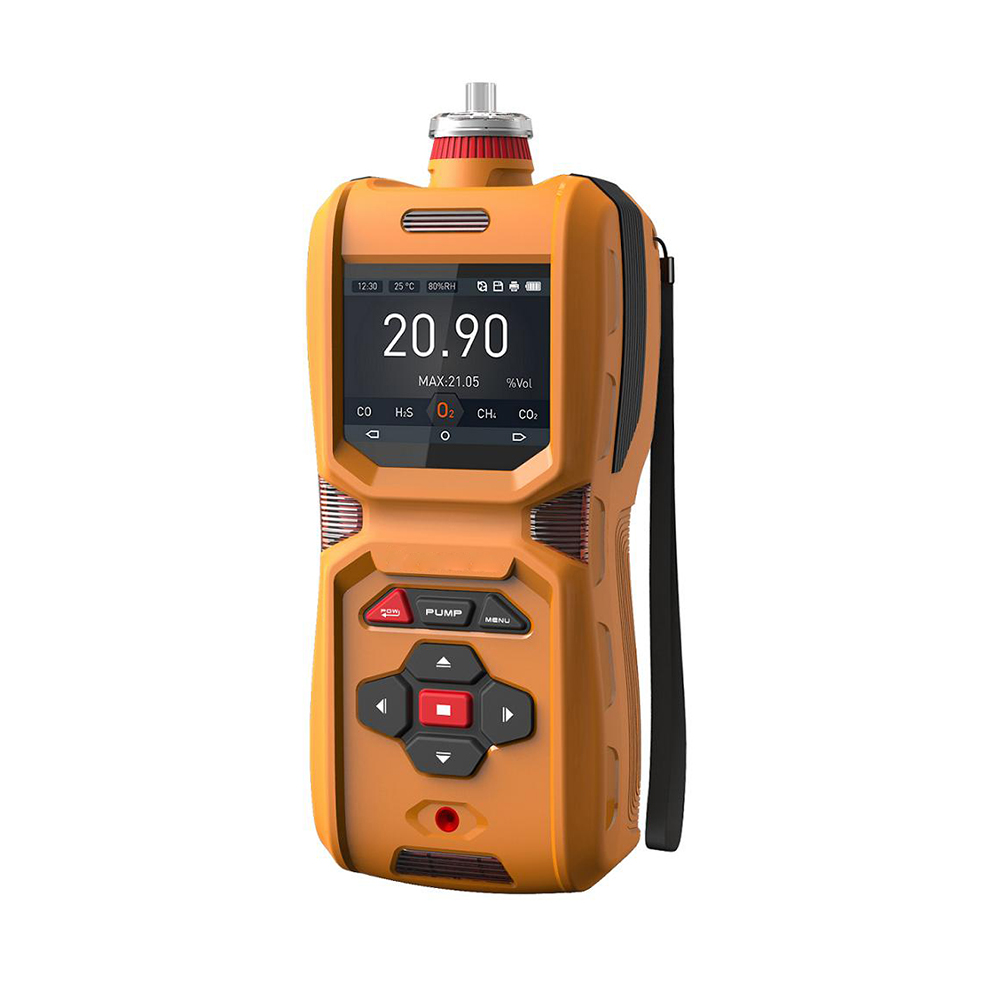
measures to prevent hydrogen leakage from hydrogen detector, mainly include the following aspects:
1. Device Security Management
br>
(1) Periodic inspection and maintenance:
Check and maintain the hydrogen detector regularly to ensure that it is in good working condition.At the same time, the hydrogen pipeline shall be inspected regularly, especially the parts prone to corrosion and damage. The hydrogen detector shall be used for accurate detection, and the leaking pipeline shall be repaired in time.
(2) No open fire and anti-static:
The hydrogen pipeline section is strictly prohibited from open fire, and obvious warning signs are set. Personnel entering and leaving the hydrogen use or transportation area shall wear anti-static work clothes to prevent fire or explosion caused by static electricity.
(3) Safety Code of Practice:
It is strictly forbidden to use mobile phones, non-explosion-proof lighting tools and other equipment that may generate electric sparks in areas where hydrogen exists. At the same time, do a good job in the insulation of the cable laying in the workshop to prevent the short circuit of the wire from causing a fire.
Use and Maintenance of 2. Hydrogen Detectors
(1) Correct installation and calibration:
The hydrogen detector should be installed in a suitable position to avoid adverse factors such as high temperature, high humidity, and strong magnetic fields.And regularly calibrate the hydrogen detector to ensure its measurement accuracy. The hydrogen detector has been calibrated before leaving the factory. Please do not replace the components after installation. If it needs to be replaced, it must be calibrated again.
(2) Prevent high concentration hydrogen shock:
High-concentration hydrogen impact is prohibited at the hydrogen detector site to avoid poisoning the gas sensor and damage the detector.
(3) Periodic inspection and testing:
Periodically check whether the hydrogen detector is working properly, and the inspection cycle should be maintained within a certain period of time, such as at least once every 3 months. At the same time, during use, pay attention to the instructions and alarms of the hydrogen detector to ensure that it can respond to hydrogen leakage in time.
3. employee safety awareness and training
(1) safety knowledge training:
Regularly carry out hydrogen detector safety knowledge training activities to improve employees' awareness and prevention of hydrogen leakage hazards.At the same time, train employees on the correct use of hydrogen detectors and alarm systems, as well as emergency measures to deal with hydrogen leakage accidents.
(2) Establish a sound safety management system:
Establish a sound safety management system and operating procedures, and clarify the safety responsibilities and operating requirements of personnel at all levels. And strengthen the daily management and maintenance of the hydrogen detector and alarm system to ensure that it is always in good condition.
4. improve contingency plans and drills
Develop a comprehensive hydrogen leakage emergency plan, and clarify the emergency response process, personnel division and rescue measures.At the same time, the emergency plan for the hydrogen detector should cover all aspects of hydrogen leak detection, alarm, evacuation, and rescue.
(2) Organize emergency drills regularly:
Organize emergency drills regularly to improve the ability and level of staff to deal with hydrogen leakage accidents. Test the effectiveness and operability of the emergency plan through drills, and find problems in time and make improvements.
To sum up, we can see that to prevent hydrogen leakage from hydrogen detectors, we need to start from many aspects such as equipment safety management, use and maintenance of hydrogen detectors, strengthening employee safety awareness and training, and improving emergency plans and drills. Through the implementation of these measures, it will help to improve the accuracy and reliability of the hydrogen detector, effectively reduce the risk of hydrogen leakage, and better ensure the safety of personnel and production.
Related information
-

How to Calibrate a Portable four-in-one Gas Detectors?
Portable four-in-one gas detectors are core protective equipment in the industrial safety field. However, sensors can experience z...
2026-09-18 -
What are the application scenarios for portable four-in-one gas detectors?
Portable four-in-one gas detectors typically monitor oxygen (O₂), flammable gas (LEL), carbon monoxide (CO), and hydrogen sulfide...
2026-09-16 -

Portable four-in-one Gas Detectors User Manual
The portable four-in-one gas detectors is a core piece of personal protective equipment (PPE) for ensuring the safety of personnel...
2026-09-14 -

Calibration Specifications for Ammonia gas Detectors
Calibration of ammonia gas detectors is a core step in ensuring their measurement accuracy and alarm reliability. However, ammonia...
2026-09-11 -
What is the appropriate installation height for an ammonia gas detectors?
Ammonia (NH₃) has a relative density of only 0.59, much lighter than air. This means that in the event of a leak, the gas will qu...
2026-09-09



 info@eranntexgas.com sale1@eranntexgas.com


 15914124845