
How does the oxygen detector correct the value?
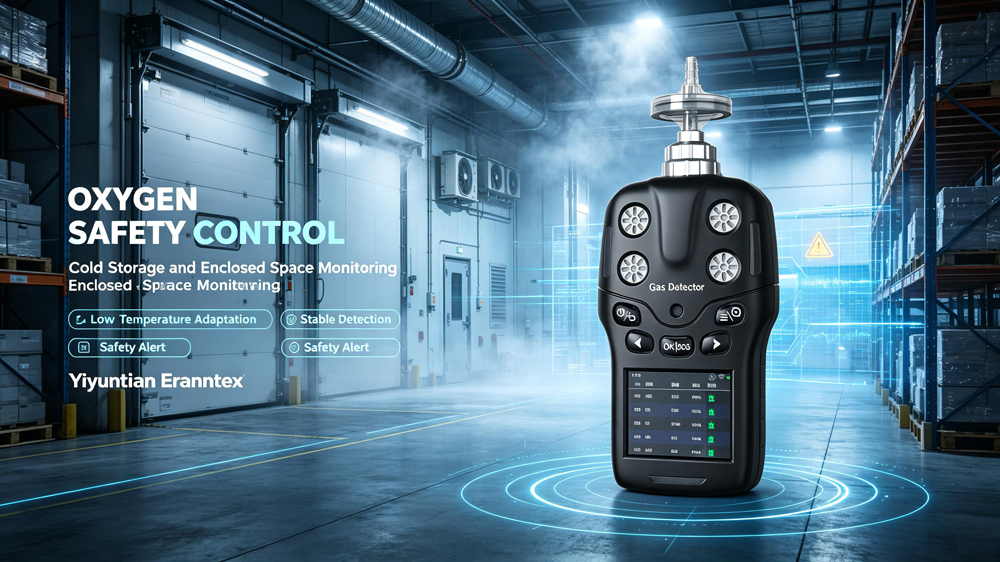
Publication Date:2024/12/27 The numerical calibration of the oxygen detector is a key step. Through scientific calibration processes and methods, we can effectively eliminate instrument errors and improve measurement accuracy, thereby ensuring that the oxygen detector can be used in various application scenarios. Can play a good product performance. Therefore, we must attach great importance to the numerical correction of the oxygen detector, which is essential for timely detection and treatment of potential safety hazards. Do you know how oxygen detector corrects the value? The following is an introduction to yiyuntian electronic editor:
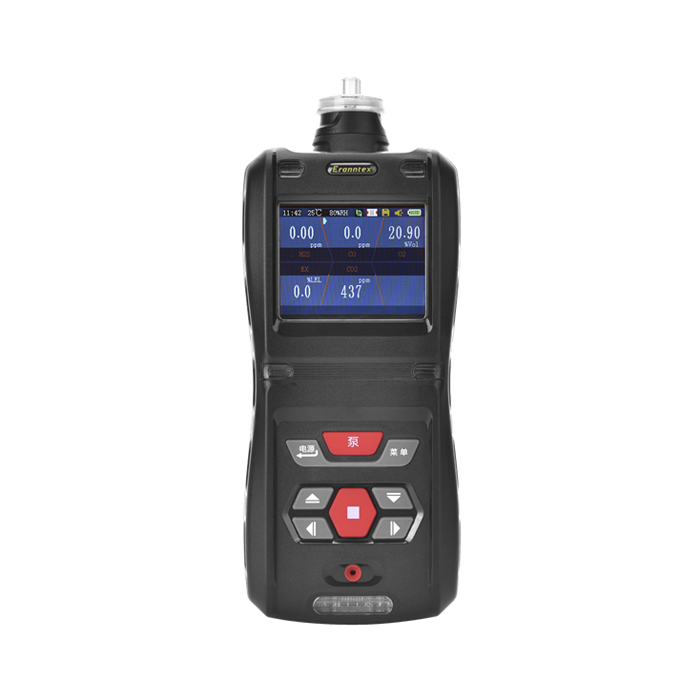
Detailed steps for numerical calibration of oxygen detector:
1. preparations
Ensure a stable environment: try to keep the calibration environment of the oxygen detector in a stable state to avoid drastic changes in temperature, humidity, air pressure, wind speed and other factors.
prepare standard gas: use standard gas sample comparison calibration method to prepare standard oxygen gas with known concentration, usually use high purity nitrogen and standard oxygen for zero point correction and span correction.
Check the equipment: Make sure the oxygen detector looks good, the sensor is not damaged, the battery is fully charged or the charger is working properly.
2. Zero Correction
Zero gas: In calibration mode, the prepared nitrogen or other oxygen-free gas is introduced into the oxygen detector through appropriate pipelines.
Adjust the flow rate: ensure that the gas flow rate meets the requirements of the instructions of the oxygen detector, so as to avoid affecting the calibration result due to too large or too small flow rate.
Set the zero point: Wait for a period of time. After the reading of the oxygen detector is stable, use the tool or button attached to the instrument to set the oxygen concentration displayed by the instrument to 0%. Some instruments may require the user to manually enter a value, while others may automatically recognize and set the zero point.
Verify the calibration result: After setting the zero point, recheck the display of the oxygen detector to ensure it shows 0%.If the displayed value is not 0%, repeat the above steps until the exact zero point is reached.
3. Span Correction
Standard gas in range: after the oxygen detector is turned on for 30 minutes, the standard oxygen of about 20%, 50% and 80% of the full scale is introduced in sequence.
Wait for the reading to be stable: After waiting for the oxygen detector to display stable value, compare the display value with the standard gas. Whether the nominal value is within the error range.
adjust the error: if it is out of the error range, you need to select user calibration according to the menu key of the oxygen detector, enter the calibration interface, and select range calibration. Modify the displayed value by pressing the key to match the "Standard Gas Nominal Value", and press and hold the key to quickly modify it. After the modification, press the confirmation key to save the value and automatically enter the range calibration.
4. validation and logging
Record calibration information: It is recommended to record the calibration time, environmental conditions and calibration results for each zero-point calibration and span calibration of the oxygen detector.The specific time interval mainly depends on the frequency of use of the oxygen detector and environmental conditions.
5. precautions
Observe the sound and light alarm signal: During the calibration process of the oxygen detector, the sound and light alarm signal should be observed at the same time.If the instrument cannot alarm or the sound and light alarm intensity is low, the instrument is unqualified.
Regular calibration: In general, the calibration cycle of the oxygen detector is 1 year. During the two periodic tests, if the sensor is replaced or the detection data of the oxygen detector is doubtful, the calibration should be carried out again.
In summary, the detailed steps for the numerical calibration of the oxygen detector. By following the above steps and precautions, you can ensure that the numerical calibration of the oxygen detector is accurate, thereby providing reliable oxygen concentration measurement data. At the same time, in the process of using the oxygen detector, please follow the instructions in the operation manual, and pay attention to the display and alarm of the instrument, so as to find and solve the problem in time. Only in this way can we better ensure the safety of the working environment and the health of personnel.
Related information
-
How to Calibrate a Portable four-in-one Gas Detectors?
Portable four-in-one gas detectors are core protective equipment in the industrial safety field. However, sensors can experience z...
2026-09-18 -
What are the application scenarios for portable four-in-one gas detectors?
Portable four-in-one gas detectors typically monitor oxygen (O₂), flammable gas (LEL), carbon monoxide (CO), and hydrogen sulfide...
2026-09-16 -
Portable four-in-one Gas Detectors User Manual
The portable four-in-one gas detectors is a core piece of personal protective equipment (PPE) for ensuring the safety of personnel...
2026-09-14 -

Calibration Specifications for Ammonia gas Detectors
Calibration of ammonia gas detectors is a core step in ensuring their measurement accuracy and alarm reliability. However, ammonia...
2026-09-11 -
What is the appropriate installation height for an ammonia gas detectors?
Ammonia (NH₃) has a relative density of only 0.59, much lighter than air. This means that in the event of a leak, the gas will qu...
2026-09-09
 info@eranntexgas.com sale1@eranntexgas.com


 15914124845