
How to accurately determine whether there is a fault in the oxygen detector?
Publication Date:2025/02/21 As a key equipment to ensure the safety of the working environment, the accuracy and reliability of the oxygen detector are very important. However, during use, due to various reasons, the oxygen detector may malfunction, resulting in inaccurate readings or failure to work properly. In order to find and solve these problems in time, we need to master a set of methods to accurately judge whether there is a fault in the oxygen detector. Do you know how to accurately determine whether the oxygen detector is faulty? The following is a brief introduction by yiyuntian electronics:
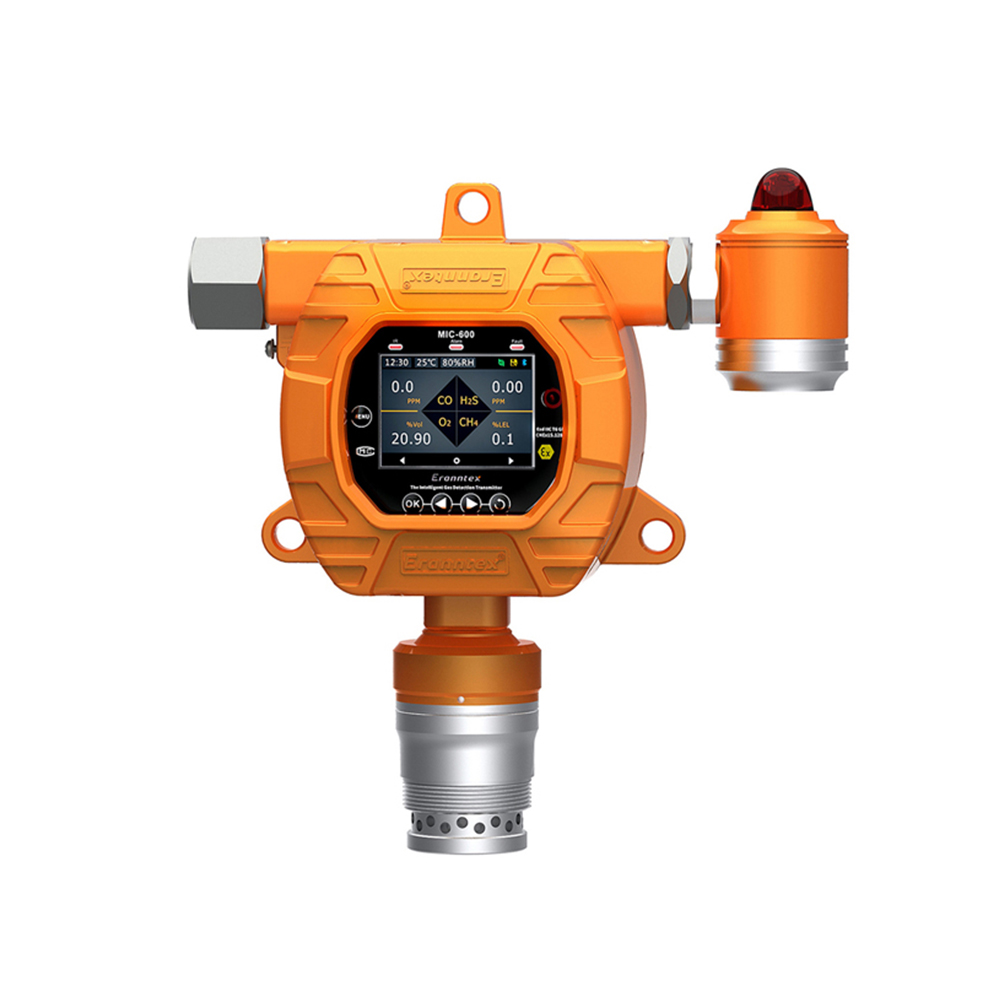
To accurately determine whether the oxygen detector has a fault, you can do it from the following aspects:
1. observation instrument basic status
(1) Display and indicator:
Check whether the display can be displayed normally and whether there are abnormal characters or error messages.At the same time, observe the flashing status of the indicator light of the oxygen detector to see if it is consistent with normal operation.
(2) Power and Battery:
Verify that the oxygen tester is properly powered on or that the battery is fully charged. At the same time, check whether the battery is installed correctly and whether the battery compartment is corroded or damaged.
(3) Appearance and structure:
Inspect the oxygen detector housing for cracks, damage, or deformation. At the same time, confirm whether the probe, connecting wire and other parts are in good condition without looseness or damage.
2. Functional Test
strong> (1) Self-test function:
Most oxygen detectors have a self-check function, through which you can initially judge whether the instrument is working normally. The self-test shall be carried out in accordance with the instructions of the instrument, and the self-test results shall be observed.
(2) Zero and span calibration:
Calibrate the zero point in clean air to ensure that the oxygen detector displays the correct zero value in an oxygen-free environment. Use oxygen standard gas with known concentration for range calibration to ensure that the oxygen detector can accurately display when detecting different concentrations of oxygen.
(3) Response test:
Place the oxygen detector in an oxygen environment with a known concentration and observe its response speed and reading stability. Compare the readings at different concentrations to determine whether they accurately reflect the change in oxygen concentration.
3. Check Sensor Status
After long-term use, the sensor may be aged or contaminated, resulting in a decrease in detection accuracy. Inspect the sensor surface for dirt, oil, or other contaminants and clean it.
(2) Sensor sensitivity:
Determine whether the sensitivity of the sensor is reduced by comparing the test or calibration results. If the sensitivity of the sensor is insufficient, it is necessary to replace the new sensor in time.
4. environmental considerations
Certain conditions, such as high humidity, high temperature, or the presence of interfering gases, may affect the normal operation of the oxygen detector.Check whether the instrument is in such an environment and consider the influence of environmental factors on the instrument reading.
(2) Gas leaks:
If there is a gas leak around the oxygen detector, it may affect the accuracy of the readings. Check and eliminate the leakage source, and ensure that the oxygen detector is in a safe and interference-free environment.
5. comprehensive judgment and processing
(1) Fault alarm and error code:
If the oxygen detector sounds or displays an error code, interpret and handle it according to the instructions. Alarm and error codes usually provide direct information about the cause of the failure.
(2) Professional maintenance and consulting:
If the problem cannot be solved by yourself, contact the manufacturer of the oxygen detector or a professional maintenance organization for maintenance. Before maintenance, detailed fault description and test data can be provided so that maintenance personnel can more accurately determine the cause of the fault.
(3) Precautions:
Regularly calibrate and maintain the oxygen detector to ensure its long-term stable operation and accurate readings. Choose high-quality products and follow the correct usage and precautions.
In summary, we can see that by observing the basic state of the instrument, performing functional tests, checking the state of the sensor, considering environmental factors, and comprehensive judgment and processing steps, we can accurately determine whether the oxygen detector is faulty. In actual operation, you should always be vigilant, pay attention to the changes in the readings of the oxygen detector, and detect and deal with abnormal situations in time. If you encounter problems that cannot be solved by yourself, you should contact the manufacturer or professional maintenance organization in time to ensure that the oxygen detector can resume normal work as soon as possible and escort production safety.
Related information
-
How to Calibrate a Portable four-in-one Gas Detectors?
Portable four-in-one gas detectors are core protective equipment in the industrial safety field. However, sensors can experience z...
2026-09-18 -
What are the application scenarios for portable four-in-one gas detectors?
Portable four-in-one gas detectors typically monitor oxygen (O₂), flammable gas (LEL), carbon monoxide (CO), and hydrogen sulfide...
2026-09-16 -

Portable four-in-one Gas Detectors User Manual
The portable four-in-one gas detectors is a core piece of personal protective equipment (PPE) for ensuring the safety of personnel...
2026-09-14 -

Calibration Specifications for Ammonia gas Detectors
Calibration of ammonia gas detectors is a core step in ensuring their measurement accuracy and alarm reliability. However, ammonia...
2026-09-11 -
What is the appropriate installation height for an ammonia gas detectors?
Ammonia (NH₃) has a relative density of only 0.59, much lighter than air. This means that in the event of a leak, the gas will qu...
2026-09-09


 info@eranntexgas.com sale1@eranntexgas.com


 15914124845